83 Silicone Alternative Solutions in Personal Care
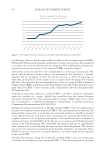
oils and other emollients into shampoos can be as challenging as for high molecular
weight silicones. An elegant vehicle to tackle this challenge is the use of (micro)emulsions.
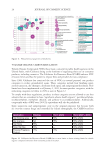
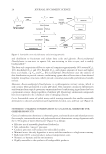
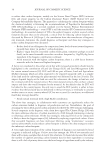
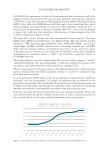
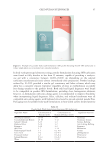
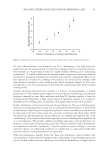
One example is a microemulsion based on a light emollient showing good conditioning
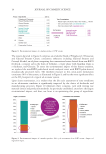
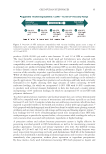
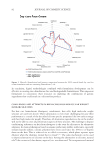
performance17. It could be shown that the amount of phase separation occurring by dilution
(measured as minimum transmittance) correlates well with the conditioning effect of wet
hair (measured as residual wet combing work, which is the relation of the combing work
after shampoo treatment to the combing work before treatment) (Figure 4). The more
precipitation occurs (less transmittance), the better the conditioning effect (lower residual
combing work).
Another alternative launched more recently is a mixture of polycitronellols in volatile
hydrocarbons18. The authors report improved wet and dry hair conditioning and anti-hair
breakage compared to some light emollients including D5. Another product is based on
hydrogenated polyfarnesene, a high viscous biobased ingredient claimed to be similar to
dimethiconol in combing, gloss, and gliding when applied from a rinse-off hair mask19.
Further alternatives can be found in the area of wax dispersions. The use of ethylene glycol
distearate as pearlizing and opacifying wax in surfactant-based formulations is well known
in the industry. Opacifying wax dispersions generally consist of smaller particles that can
be deposited on the hair surface using the coacervate mechanism described earlier. With
this deposition, the wax particles can also offer hair care benefits like improved wet or dry
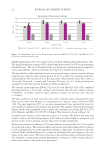
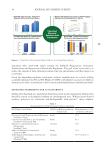
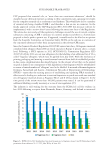
conditioning20. A recently launched wax dispersion is based on hydrogenated vegetable oil
as a wax component. This product combines pearlshine appearance with excellent hair care
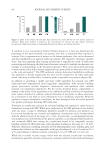
properties, particularly in hair breakage protection. This was shown in different shampoos
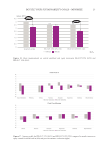
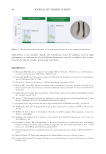
in comparison to placebo formulations21. Specific results are given in Figure 5 for two
surfactant chassis, one comprising of sodium coco-sulfate and coco-glucoside and the other
based on sodium cocoyl glutamate and coco-glucoside.
With the performance benefits shown for these wax dispersions, major excellent hair
care properties of silicone-based shampoos like conditioning or hair breakage protection
can be reached without silicones. However, as for skincare formulation, a simple drop-in
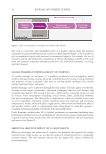
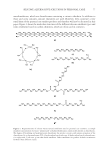
Figure 4. Residual wet combing work versus minimum transmittance of the investigated shampoo.
oils and other emollients into shampoos can be as challenging as for high molecular
weight silicones. An elegant vehicle to tackle this challenge is the use of (micro)emulsions.
One example is a microemulsion based on a light emollient showing good conditioning
performance17. It could be shown that the amount of phase separation occurring by dilution
(measured as minimum transmittance) correlates well with the conditioning effect of wet
hair (measured as residual wet combing work, which is the relation of the combing work
after shampoo treatment to the combing work before treatment) (Figure 4). The more
precipitation occurs (less transmittance), the better the conditioning effect (lower residual
combing work).
Another alternative launched more recently is a mixture of polycitronellols in volatile
hydrocarbons18. The authors report improved wet and dry hair conditioning and anti-hair
breakage compared to some light emollients including D5. Another product is based on
hydrogenated polyfarnesene, a high viscous biobased ingredient claimed to be similar to
dimethiconol in combing, gloss, and gliding when applied from a rinse-off hair mask19.
Further alternatives can be found in the area of wax dispersions. The use of ethylene glycol
distearate as pearlizing and opacifying wax in surfactant-based formulations is well known
in the industry. Opacifying wax dispersions generally consist of smaller particles that can
be deposited on the hair surface using the coacervate mechanism described earlier. With
this deposition, the wax particles can also offer hair care benefits like improved wet or dry
conditioning20. A recently launched wax dispersion is based on hydrogenated vegetable oil
as a wax component. This product combines pearlshine appearance with excellent hair care
properties, particularly in hair breakage protection. This was shown in different shampoos
in comparison to placebo formulations21. Specific results are given in Figure 5 for two
surfactant chassis, one comprising of sodium coco-sulfate and coco-glucoside and the other
based on sodium cocoyl glutamate and coco-glucoside.
With the performance benefits shown for these wax dispersions, major excellent hair
care properties of silicone-based shampoos like conditioning or hair breakage protection
can be reached without silicones. However, as for skincare formulation, a simple drop-in
Figure 4. Residual wet combing work versus minimum transmittance of the investigated shampoo.