29 Green Cosmetic Ingredients
UTILIZATION
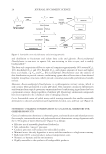
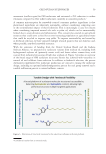
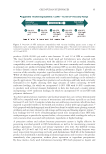
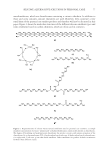
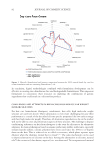
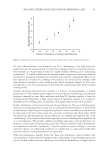
Biobased polyesters for high performance ingredients can be made from an environmentally-
benign polycondensation process in which the only byproduct is water there are no solvents
and no waste, i.e. the reactants that are charged to the reactor are entirely converted to
products minus the water of condensation.9 Moreover, control of processing variables can
yield a diverse range of specific polyesters within a single chemistry, such as Capryloyl
Glycerin/Sebacic Acid Copolymer (CGSAC) this feature allows performance-tailoring for
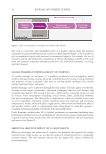
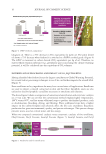
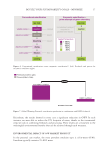
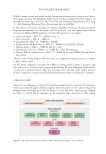
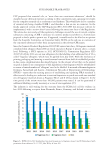
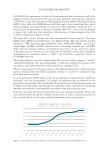
application-specific benefits (Figure 6).
Whereas low molecular weight CGSAC is a non-tacky adhesion promoter that confers
improved performance and feel over castor-oil in lipsticks and lip care products, the high
molecular weight, high viscosity version of this copolymer is a substantive film-former with
barrier properties. CGSAC with a broad molecular distribution is useful as a film-former
for water-resistant sunscreens due to its improved spreadability.
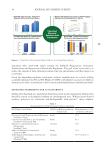
Mixed ester-polyester fluids comprising CGSAC are particularly relevant today as potential
substitutes for the cyclomethicones, Decamethylcyclopentasiloxane (cyclopentasiloxane or
D5) and Dodecamethylcyclohexasiloxane (cyclohexasiloxane or D6). The European Union
will restrict the use of D5 and D6 in cosmetics and other products as of June 6th, 2026.10
The new restrictions apply to wash-off and leave-on products and limit the concentration
of these cyclosiloxanes to 0.1% by weight. The restrictions are part of the Commission
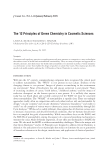
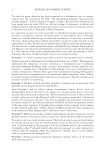
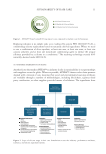
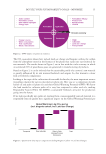
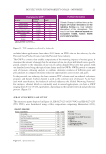
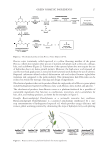
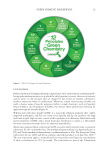
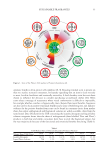
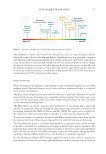
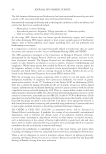
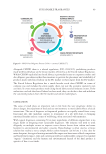
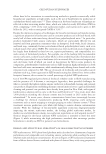
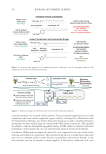
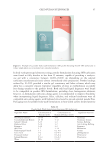
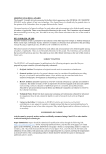
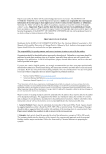
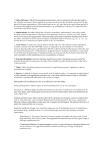
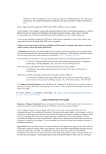
Figure 5. The 12 Principles of Green Chemistry.
UTILIZATION
Biobased polyesters for high performance ingredients can be made from an environmentally-
benign polycondensation process in which the only byproduct is water there are no solvents
and no waste, i.e. the reactants that are charged to the reactor are entirely converted to
products minus the water of condensation.9 Moreover, control of processing variables can
yield a diverse range of specific polyesters within a single chemistry, such as Capryloyl
Glycerin/Sebacic Acid Copolymer (CGSAC) this feature allows performance-tailoring for
application-specific benefits (Figure 6).
Whereas low molecular weight CGSAC is a non-tacky adhesion promoter that confers
improved performance and feel over castor-oil in lipsticks and lip care products, the high
molecular weight, high viscosity version of this copolymer is a substantive film-former with
barrier properties. CGSAC with a broad molecular distribution is useful as a film-former
for water-resistant sunscreens due to its improved spreadability.
Mixed ester-polyester fluids comprising CGSAC are particularly relevant today as potential
substitutes for the cyclomethicones, Decamethylcyclopentasiloxane (cyclopentasiloxane or
D5) and Dodecamethylcyclohexasiloxane (cyclohexasiloxane or D6). The European Union
will restrict the use of D5 and D6 in cosmetics and other products as of June 6th, 2026.10
The new restrictions apply to wash-off and leave-on products and limit the concentration
of these cyclosiloxanes to 0.1% by weight. The restrictions are part of the Commission
Figure 5. The 12 Principles of Green Chemistry.