46 JOURNAL OF COSMETIC SCIENCE
Legislation concerning urban water pollution in Europe targeting the cosmetic and
pharmaceutical product manufacturing industries, with the aim of reducing “micro-
pollutants”– has been approved (Directive (EU) 2024/3019 concerning urban wastewater
treatment (recast)) (UWWTD) but does not seem to target fragrance raw materials.
A very specific piece of legislation that concerns water pollution and the fragrance industry
is the restriction on polymer microparticles, or microplastics, which entered into force
in October 2023 ((EU) 2023/2055). This legislation is potentially relevant to polymeric
opacifiers and the polymer walls of fragrance capsules, for example those based on melamine-
formaldehyde chemistry, widely used in fabric softeners and more occasionally in cosmetics.
The application of the ban for synthetic polymer microparticles for use in the encapsulation
of fragrances will be October 2029. To avoid the ban, the microparticles should be either
natural, biodegrade under certain conditions, or be below 100ppm in the final product.
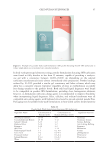
Products containing fragrance capsules that comply with this legislation have started to
appear in commercial laundry products in Europe claiming “microplastic free”.
Finally one set of pollutants attracting much recent attention is the per- and polyfluoroalkyl
substances (PFAS or PFASs), a group of synthetic organo-fluorine chemical compounds that
have multiple fluorine atoms attached to an alkyl chain. Certain PFAS have been under the
regulatory spotlight for some years. Often termed “forever chemicals” they are extremely
resistant to degradation in the natural environment, due to the carbon-fluorine bond which
is one of the strongest bonds known in nature. PFAS have also been linked to severe
health problems, including cancer, hormone disruption, and developmental harm. Due to
widespread use, including in cosmetics, trace levels of PFAS are widely distributed in the
environment [41]. A recent publication concluded that personal care product use may be a
modifiable source of PFAS exposure in pregnant and lactating populations [42].
In the U.S., the 2021 “No PFAS in Cosmetics Act” was proposed in Congress (Bill S.2047)
with the aim to ban the intentional addition of PFAS in cosmetics. The 2022 Modernization
of Cosmetics Regulation Act expanded the FDA’s authority to regulate cosmetics, including
the reporting requirements for cosmetic ingredients like PFAS. The FDA must publish on
its website a report summarizing the results of the safety assessment from the use of PFAS
in cosmetic products no later than December 29, 2025.
Whilst there is no U.S. national mandate, multiple US states ban the intentional use of
PFAS in cosmetics. California, with the PFAS-Free Beauty Act of 2022 (AB 2771), was the
first state to establish such a law. The ban applies to cosmetics sold in the state starting
from January 2025. Colorado, Maryland, Minnesota, and Washington have also introduced
bans on the sale of cosmetic products containing PFAS from January 2025 and numerous
other states are taking similar measures.
In the EU, some PFAS are already regulated concerning usage in cosmetics (EU 2024/2462
-undecafluorohexanoic acid (PFHxA), salts, related substances) whilst other groups are
being proposed for restrictions. The 2023 EU proposal – ECHA Annex XV Restriction
Report, Proposal for a restriction: Per- and polyfluoroalkyl substances (PFASs), will
generally prohibit the manufacture, use, or placing on the market of PFAS on their own,
in a mixture or an article, in a concentration at or above 25 parts per billion (ppb) for
any individual PFAS, 250 ppb for the sum of PFAS, or 50 ppm for PFAS with polymeric
PFAS included. The European Commission’s decision could be made public in 2025, which
would suggest an effective date of 2026/2027, with the possibly of temporary derogations
for certain sectors.
Legislation concerning urban water pollution in Europe targeting the cosmetic and
pharmaceutical product manufacturing industries, with the aim of reducing “micro-
pollutants”– has been approved (Directive (EU) 2024/3019 concerning urban wastewater
treatment (recast)) (UWWTD) but does not seem to target fragrance raw materials.
A very specific piece of legislation that concerns water pollution and the fragrance industry
is the restriction on polymer microparticles, or microplastics, which entered into force
in October 2023 ((EU) 2023/2055). This legislation is potentially relevant to polymeric
opacifiers and the polymer walls of fragrance capsules, for example those based on melamine-
formaldehyde chemistry, widely used in fabric softeners and more occasionally in cosmetics.
The application of the ban for synthetic polymer microparticles for use in the encapsulation
of fragrances will be October 2029. To avoid the ban, the microparticles should be either
natural, biodegrade under certain conditions, or be below 100ppm in the final product.
Products containing fragrance capsules that comply with this legislation have started to
appear in commercial laundry products in Europe claiming “microplastic free”.
Finally one set of pollutants attracting much recent attention is the per- and polyfluoroalkyl
substances (PFAS or PFASs), a group of synthetic organo-fluorine chemical compounds that
have multiple fluorine atoms attached to an alkyl chain. Certain PFAS have been under the
regulatory spotlight for some years. Often termed “forever chemicals” they are extremely
resistant to degradation in the natural environment, due to the carbon-fluorine bond which
is one of the strongest bonds known in nature. PFAS have also been linked to severe
health problems, including cancer, hormone disruption, and developmental harm. Due to
widespread use, including in cosmetics, trace levels of PFAS are widely distributed in the
environment [41]. A recent publication concluded that personal care product use may be a
modifiable source of PFAS exposure in pregnant and lactating populations [42].
In the U.S., the 2021 “No PFAS in Cosmetics Act” was proposed in Congress (Bill S.2047)
with the aim to ban the intentional addition of PFAS in cosmetics. The 2022 Modernization
of Cosmetics Regulation Act expanded the FDA’s authority to regulate cosmetics, including
the reporting requirements for cosmetic ingredients like PFAS. The FDA must publish on
its website a report summarizing the results of the safety assessment from the use of PFAS
in cosmetic products no later than December 29, 2025.
Whilst there is no U.S. national mandate, multiple US states ban the intentional use of
PFAS in cosmetics. California, with the PFAS-Free Beauty Act of 2022 (AB 2771), was the
first state to establish such a law. The ban applies to cosmetics sold in the state starting
from January 2025. Colorado, Maryland, Minnesota, and Washington have also introduced
bans on the sale of cosmetic products containing PFAS from January 2025 and numerous
other states are taking similar measures.
In the EU, some PFAS are already regulated concerning usage in cosmetics (EU 2024/2462
-undecafluorohexanoic acid (PFHxA), salts, related substances) whilst other groups are
being proposed for restrictions. The 2023 EU proposal – ECHA Annex XV Restriction
Report, Proposal for a restriction: Per- and polyfluoroalkyl substances (PFASs), will
generally prohibit the manufacture, use, or placing on the market of PFAS on their own,
in a mixture or an article, in a concentration at or above 25 parts per billion (ppb) for
any individual PFAS, 250 ppb for the sum of PFAS, or 50 ppm for PFAS with polymeric
PFAS included. The European Commission’s decision could be made public in 2025, which
would suggest an effective date of 2026/2027, with the possibly of temporary derogations
for certain sectors.