68 JOURNAL OF COSMETIC SCIENCE
(see consumer panel testing results below) however, determination of the ideal anti-caking
agent loading to assure long-term (6 month) flowability after powder storage is still
required to supplement shelf-life studies of the hydrate product.
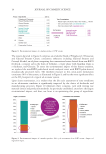
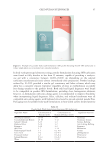
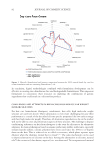
Consumer panel testing of body wash prototypes confirmed that appearance and sensory
experience of the hydrated body wash powder formulations were very similar to the analogous
commercially available products. When asked to rate the body wash prototype compared to
their favorite brand, panel reviewers rated the product viscosity of the powder formulation
at an average of 3.5/5, with an average foam level rating at 3.3/5. The body wash prototypes
were also reviewed to have a creamy texture (average survey response 3.8/5 rating) and
favorable skin feel after washing (average survey response 3.6/5 rating). Respondents also
reviewed the peppermint fragrance of the product with an average rating of 3.9/5. Most test
panel participants used the adjectives “cleansing” and either “moisturizing” or “hydrating”
to describe the body wash. When asked which adjectives described the product format and
their experience with product preparation (powder hydration), most participants responded
the format was “innovative” and the product was “easy to prepare.” When asked about their
overall impression and interest in purchasing such a product, half of respondents indicated
they enjoyed the experience, particularly the appearance, smell, and texture, and would
purchase the product if available. Other respondents appreciated the sustainability focus of
the product format, but indicated further adjustments in formulation and format would be
more to their taste, most commonly citing that the viscosity did not match their preferred
product, or that their experience transferring the powder to a bottle and hydrating to form
the product was messier than they would prefer.
Continued development of OFS solid format formulations aims to assure powder shelf life
to avoid clumping and powder flow limitations, as well as to explore alternative formats
such as pellets and sheets. Assuring product compatibility across the broader OFS platform,
including surfactants prepared with domestic biomass such as soybean oil, is also a focus
of ongoing research. The performance and shelf life of the hydrated powder formulations
to date have demonstrated the potential for OFS surfactants across a wide range of solid
format personal care products including hand soaps, facial cleansers, shampoos, as well
as a variety of household cleaners and detergents. As the transition to more sustainable
cleaning, personal care, and cosmetic products continues, the OFS surfactants platform
is uniquely positioned to provide consumers with the performance that they need, at a
significantly lower carbon footprint without single-use plastics.
CONCLUSION
The results for property comparison of oleo-furan sulfonates with commercial anionic
surfactants indicates parity or improved performance in essential metrics including foam
generation and mildness. This platform allows for targeted customization of the surfactant
molecule’s hydrophilic and hydrophilic content based on the selected cellulosic and natural
oil feedstocks and selected process chemistries, with all surfactants tested demonstrating
exceptional stability in hard and cold water conditions that can result in application
limitations for commercial anionic surfactants. Formulation testing of OFS surfactants
revealed broad compatibility with cosurfactants commonly used as thickeners in existing
personal care products, which allow access to formulation viscosities in the preferred range
for use in body wash and shampoo gels. Due to the 100% active format, OFS are ideal for
(see consumer panel testing results below) however, determination of the ideal anti-caking
agent loading to assure long-term (6 month) flowability after powder storage is still
required to supplement shelf-life studies of the hydrate product.
Consumer panel testing of body wash prototypes confirmed that appearance and sensory
experience of the hydrated body wash powder formulations were very similar to the analogous
commercially available products. When asked to rate the body wash prototype compared to
their favorite brand, panel reviewers rated the product viscosity of the powder formulation
at an average of 3.5/5, with an average foam level rating at 3.3/5. The body wash prototypes
were also reviewed to have a creamy texture (average survey response 3.8/5 rating) and
favorable skin feel after washing (average survey response 3.6/5 rating). Respondents also
reviewed the peppermint fragrance of the product with an average rating of 3.9/5. Most test
panel participants used the adjectives “cleansing” and either “moisturizing” or “hydrating”
to describe the body wash. When asked which adjectives described the product format and
their experience with product preparation (powder hydration), most participants responded
the format was “innovative” and the product was “easy to prepare.” When asked about their
overall impression and interest in purchasing such a product, half of respondents indicated
they enjoyed the experience, particularly the appearance, smell, and texture, and would
purchase the product if available. Other respondents appreciated the sustainability focus of
the product format, but indicated further adjustments in formulation and format would be
more to their taste, most commonly citing that the viscosity did not match their preferred
product, or that their experience transferring the powder to a bottle and hydrating to form
the product was messier than they would prefer.
Continued development of OFS solid format formulations aims to assure powder shelf life
to avoid clumping and powder flow limitations, as well as to explore alternative formats
such as pellets and sheets. Assuring product compatibility across the broader OFS platform,
including surfactants prepared with domestic biomass such as soybean oil, is also a focus
of ongoing research. The performance and shelf life of the hydrated powder formulations
to date have demonstrated the potential for OFS surfactants across a wide range of solid
format personal care products including hand soaps, facial cleansers, shampoos, as well
as a variety of household cleaners and detergents. As the transition to more sustainable
cleaning, personal care, and cosmetic products continues, the OFS surfactants platform
is uniquely positioned to provide consumers with the performance that they need, at a
significantly lower carbon footprint without single-use plastics.
CONCLUSION
The results for property comparison of oleo-furan sulfonates with commercial anionic
surfactants indicates parity or improved performance in essential metrics including foam
generation and mildness. This platform allows for targeted customization of the surfactant
molecule’s hydrophilic and hydrophilic content based on the selected cellulosic and natural
oil feedstocks and selected process chemistries, with all surfactants tested demonstrating
exceptional stability in hard and cold water conditions that can result in application
limitations for commercial anionic surfactants. Formulation testing of OFS surfactants
revealed broad compatibility with cosurfactants commonly used as thickeners in existing
personal care products, which allow access to formulation viscosities in the preferred range
for use in body wash and shampoo gels. Due to the 100% active format, OFS are ideal for