72 JOURNAL OF COSMETIC SCIENCE
SOPHOROLIPIDS AND RHAMNOLIPIDS
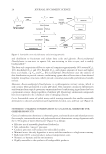
The first generations of bio-based surfactants available for at least two decades were
obtained through chemical processes using sometimes problematic raw materials, which
limited their environmental friendliness. Most importantly, there were few, if any, bio-
based surfactants that could provide the cleansing and foaming properties of conventional
raw materials. These unmet market needs have been addressed by several players in the
chemical industry, but only a few have brought products to market in the quantities, quality,
and functionality required. These are the microbially-produced biosurfactants, a class of
surfactants that are not only based on renewable resources but also on environmentally
friendly, fermentation-based production technologies. Sophorolipids were the first available
biosurfactants at industrial quantities and are used, for example, in hand dishwashing
detergents and cosmetics. Recent technological breakthrough has enabled the large-scale
production of glycolipid-type biosurfactants, specifically rhamnolipids that show a unique
performance profile.1
Nature has developed biosurfactants through evolution, optimizing them to play a specific
role for the organisms which synthesize them therefore, a significant amount of process
optimization was required to develop an industrially viable production process. The sugar
used as a raw material for fermentation is usually dextrose syrup, obtained from maize. The
use of sugars from plant residues or other waste streams is also currently being investigated
for the production of biosurfactants, which offer further potential for improving the
overall sustainability profile. In contrast to bio-based surfactants, no tropical oils are used
for biosurfactants. In combination with their 100% biodegradability, biosurfactants are
therefore completely renewable, which is a strong argument in times in which circularity
is required. For every product manufactured today, it is important that its ingredients can
be broken down in nature and returned to the natural cycle.
Biodegradability of biosurfactants can be taken as given it is not the differentiating
feature compared to classic, fossil-based or bio-based surfactants. For more than 20 years,
biodegradability has rather been a legal requirement for surfactants used in detergents and
cleaning products in the EU. Biotechnology is also not an end in itself, and a sustainable
product alone is not enough, as the performance and cost-effectiveness of biosurfactants
must be at least equivalent to chemical counterparts. In this case, the biosurfactants must
compete with well-established molecules such as sodium lauryl (ether) sulphate (SLES, SLS)
or betaines, e.g. in terms of cleaning behavior, solubilization and foaming behavior, i.e.
typical and important performance characteristics of surfactants. However, it is essential
that biosurfactants do not simply perform the same as conventional surfactants, but that
a completely new type of product is offered—from the raw materials, the manufacturing
process, to attractive product properties, or even to new combinations of properties.
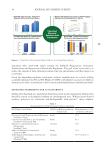
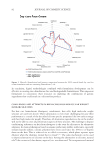
The necessary physicochemical properties typical of surfactants, such as surface activity,
micelle formation, or foaming of the glycolipids, are not sufficient to explain the special
property profile and predict suitability for certain applications. The real special feature of
glycolipid biosurfactants lies in the combination of application performance, in the case of
rhamnolipids for example excellent solubilization (e.g. in micellar water2), with exceptional
mildness towards a variety of biological and other materials (e.g. skin, proteins, aquatic
organisms, plastics, etc.).
In cases where the surfactant comes into contact with human skin, eyes, and mucous
membranes, the mildness of the formulation plays a crucial role. Ideally, the performance
SOPHOROLIPIDS AND RHAMNOLIPIDS
The first generations of bio-based surfactants available for at least two decades were
obtained through chemical processes using sometimes problematic raw materials, which
limited their environmental friendliness. Most importantly, there were few, if any, bio-
based surfactants that could provide the cleansing and foaming properties of conventional
raw materials. These unmet market needs have been addressed by several players in the
chemical industry, but only a few have brought products to market in the quantities, quality,
and functionality required. These are the microbially-produced biosurfactants, a class of
surfactants that are not only based on renewable resources but also on environmentally
friendly, fermentation-based production technologies. Sophorolipids were the first available
biosurfactants at industrial quantities and are used, for example, in hand dishwashing
detergents and cosmetics. Recent technological breakthrough has enabled the large-scale
production of glycolipid-type biosurfactants, specifically rhamnolipids that show a unique
performance profile.1
Nature has developed biosurfactants through evolution, optimizing them to play a specific
role for the organisms which synthesize them therefore, a significant amount of process
optimization was required to develop an industrially viable production process. The sugar
used as a raw material for fermentation is usually dextrose syrup, obtained from maize. The
use of sugars from plant residues or other waste streams is also currently being investigated
for the production of biosurfactants, which offer further potential for improving the
overall sustainability profile. In contrast to bio-based surfactants, no tropical oils are used
for biosurfactants. In combination with their 100% biodegradability, biosurfactants are
therefore completely renewable, which is a strong argument in times in which circularity
is required. For every product manufactured today, it is important that its ingredients can
be broken down in nature and returned to the natural cycle.
Biodegradability of biosurfactants can be taken as given it is not the differentiating
feature compared to classic, fossil-based or bio-based surfactants. For more than 20 years,
biodegradability has rather been a legal requirement for surfactants used in detergents and
cleaning products in the EU. Biotechnology is also not an end in itself, and a sustainable
product alone is not enough, as the performance and cost-effectiveness of biosurfactants
must be at least equivalent to chemical counterparts. In this case, the biosurfactants must
compete with well-established molecules such as sodium lauryl (ether) sulphate (SLES, SLS)
or betaines, e.g. in terms of cleaning behavior, solubilization and foaming behavior, i.e.
typical and important performance characteristics of surfactants. However, it is essential
that biosurfactants do not simply perform the same as conventional surfactants, but that
a completely new type of product is offered—from the raw materials, the manufacturing
process, to attractive product properties, or even to new combinations of properties.
The necessary physicochemical properties typical of surfactants, such as surface activity,
micelle formation, or foaming of the glycolipids, are not sufficient to explain the special
property profile and predict suitability for certain applications. The real special feature of
glycolipid biosurfactants lies in the combination of application performance, in the case of
rhamnolipids for example excellent solubilization (e.g. in micellar water2), with exceptional
mildness towards a variety of biological and other materials (e.g. skin, proteins, aquatic
organisms, plastics, etc.).
In cases where the surfactant comes into contact with human skin, eyes, and mucous
membranes, the mildness of the formulation plays a crucial role. Ideally, the performance