76 JOURNAL OF COSMETIC SCIENCE
fast spreading on surfaces like skin and hair4. Additionally, silicones are very stable over a
wide range of temperatures and conditions.
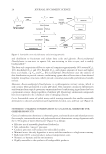
On the other hand, silicones require an energy-intensive process to make5. The initial step
of this process is the production of silicon metal from mined quartz and various reduction
agents in submerged electric arc furnaces. The required reducing gas such as carbon
monoxide or hydrogen is produced from fossil materials such as coal or in some cases even
biobased materials such as charcoal and woodchips. This production of silicon metal is
considered to be the most energy consuming and hence greenhouse gas emitting part of
the entire process of making silicone polymers.
In the next step, the silicon metal obtained is then reacted with methyl chloride and
further with water to remove the chlorine. That chlorine is then recycled to make methyl
chloride. Subsequently, the resulting products are separated into various fractions and then
polymerized into silicone polymers.
From an environmental perspective, it is worth noting that silicones are not biodegradable6.
After several years of evaluation and debate, the European Union has finally restricted7
the use of octamethylcyclotetrasiloxane (D4), decamethylcyclopentasiloxane (D5), and
dodecamethylcyclohexasiloxane (D6) to a maximum concentration below 0.1% w/w in both
leave-on and rinse-off applications. The rationale for this restriction is that D4, D5, and D6
are considered to be substances of very high concern (SVHC) due to their very persistent
(vP) and very bioaccumulative (vB) properties. Even if the restriction has been set only
for the volatile, cyclic silicones, the decision has an impact on the perception of silicones
in cosmetics in general. Furthermore, the regulatory bodies in other regions can also be
expected to follow with such bans.
In anticipation of bans for different silicones, and to actively remove cyclic silicones in
personal care formulations before the published deadlines (June 6, 2026, for the use of D6
in rinse-off (D4/D5 for use in rinse-off products are already banned since January 31, 2020)
and June 6, 2027, in leave-on applications), formulators are looking to substitute them
with more natural alternatives. However, a direct replacement of silicones with natural
emollients is not trivial due to the unique properties of silicones described above. Therefore,
an exact 1:1 replacement by products based on carbon chemistry is currently not possible.
Formulators must adapt the entire formulation to match the properties of the formulation
with silicones.
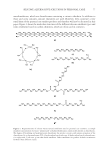
The entire class of silicones, i.e., polydimethylsiloxanes and derivatives, contains products
with different ingredient chemistries. Cyclic siloxanes, namely D4, D5, and D6, are
comparatively lighter in feel (to other silicones) and volatile. Out of these, especially
D5 is still widely used in skincare, color cosmetics, and hair oil applications. The INCI
for cyclic silicones found in cosmetic market products is cyclomethicone. Likewise,
linear “polymerized” polydimethylsiloxanes with a generic chemical structure of R
3 Si−
[O−SiR
2 ]
n −O−SiR
3 ,also widely used in cosmetics, have the INCI name dimethicone.
Depending on the degree of polymerization (n), one obtains different dimethicones with
different properties. Indeed, dimethicones from 1 cSt to several thousand cSt are used
in different personal care applications. In terms of their properties, lighter dimethicones
(1–350 cSt) are emollients while heavier ones are gums (1,000 cSt). The generic INCI of
dimethicone for all these different compounds with different properties can be somewhat
misleading. In hair care, two other variants are used: Dimethiconol—same backbone
and methyl groups as dimethicones but equipped with terminal hydroxygroups, or
fast spreading on surfaces like skin and hair4. Additionally, silicones are very stable over a
wide range of temperatures and conditions.
On the other hand, silicones require an energy-intensive process to make5. The initial step
of this process is the production of silicon metal from mined quartz and various reduction
agents in submerged electric arc furnaces. The required reducing gas such as carbon
monoxide or hydrogen is produced from fossil materials such as coal or in some cases even
biobased materials such as charcoal and woodchips. This production of silicon metal is
considered to be the most energy consuming and hence greenhouse gas emitting part of
the entire process of making silicone polymers.
In the next step, the silicon metal obtained is then reacted with methyl chloride and
further with water to remove the chlorine. That chlorine is then recycled to make methyl
chloride. Subsequently, the resulting products are separated into various fractions and then
polymerized into silicone polymers.
From an environmental perspective, it is worth noting that silicones are not biodegradable6.
After several years of evaluation and debate, the European Union has finally restricted7
the use of octamethylcyclotetrasiloxane (D4), decamethylcyclopentasiloxane (D5), and
dodecamethylcyclohexasiloxane (D6) to a maximum concentration below 0.1% w/w in both
leave-on and rinse-off applications. The rationale for this restriction is that D4, D5, and D6
are considered to be substances of very high concern (SVHC) due to their very persistent
(vP) and very bioaccumulative (vB) properties. Even if the restriction has been set only
for the volatile, cyclic silicones, the decision has an impact on the perception of silicones
in cosmetics in general. Furthermore, the regulatory bodies in other regions can also be
expected to follow with such bans.
In anticipation of bans for different silicones, and to actively remove cyclic silicones in
personal care formulations before the published deadlines (June 6, 2026, for the use of D6
in rinse-off (D4/D5 for use in rinse-off products are already banned since January 31, 2020)
and June 6, 2027, in leave-on applications), formulators are looking to substitute them
with more natural alternatives. However, a direct replacement of silicones with natural
emollients is not trivial due to the unique properties of silicones described above. Therefore,
an exact 1:1 replacement by products based on carbon chemistry is currently not possible.
Formulators must adapt the entire formulation to match the properties of the formulation
with silicones.
The entire class of silicones, i.e., polydimethylsiloxanes and derivatives, contains products
with different ingredient chemistries. Cyclic siloxanes, namely D4, D5, and D6, are
comparatively lighter in feel (to other silicones) and volatile. Out of these, especially
D5 is still widely used in skincare, color cosmetics, and hair oil applications. The INCI
for cyclic silicones found in cosmetic market products is cyclomethicone. Likewise,
linear “polymerized” polydimethylsiloxanes with a generic chemical structure of R
3 Si−
[O−SiR
2 ]
n −O−SiR
3 ,also widely used in cosmetics, have the INCI name dimethicone.
Depending on the degree of polymerization (n), one obtains different dimethicones with
different properties. Indeed, dimethicones from 1 cSt to several thousand cSt are used
in different personal care applications. In terms of their properties, lighter dimethicones
(1–350 cSt) are emollients while heavier ones are gums (1,000 cSt). The generic INCI of
dimethicone for all these different compounds with different properties can be somewhat
misleading. In hair care, two other variants are used: Dimethiconol—same backbone
and methyl groups as dimethicones but equipped with terminal hydroxygroups, or