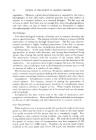
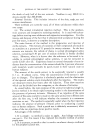
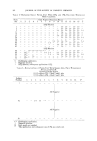
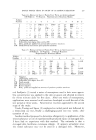
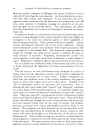
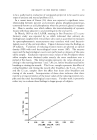
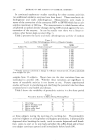
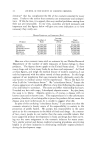
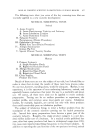
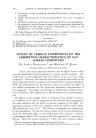
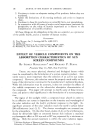
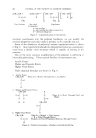
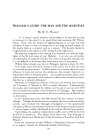
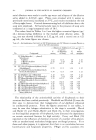
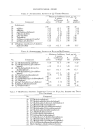
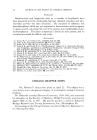
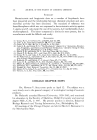
252 JOURNAL OF THE SOCIETY OF COSMETIC CHEMISTS TABLE 2--REPEATED INSULT PATCH TEST WITH 25% AND 15% DILUTION--WATERLESS Num- , ---Only Positive Reactions Shown. ber 1 2 3 4 5 6 7 8 9 10 11 12 13 14 15 • 25% Dilution l .......... 1+ 1+ - 1+ 1-1- -- 3 .......... 1+ 1+ 1+ l+ 1+ -- 5 ......... 1+ 1+ 1+ 1+ 1+ 1+ 1+ 11 .......... 1+ -- 1+ 1+ 1+ - 14 .......... 1-t- 1+ 1+ 1+ 1-t- - 27 ......... 1+ 1+ 1+ 1+ 1+ 1+ - 30 .......... 1+ 1+ 1+ 1+ 1+ 1+ 34 ............. l+ 1+ - 39 ........ 1-b 1-b ld- ld- -- ld- -- ld- 40 ....... l+ -- -- 1+ -- 1+ l+ 1+ -- 41 ......... ld- ld- 1+ 1-b l-b ld- -- 45 .......... l-1- -- -- ld- ld- -- 15% Dilution 48 -- -- ld-*lq-*lq-*l-b* .... ld- ld- 1-b ld- ld- - 49 -- l-b* .... ld- ld- -- 1+ I+ ld- ld- ld- ld- -- 50 -- 1-1 * .... 1-3- -- 1-3- 1-3- 1-3- 1-3- 1-3- -- 1-3- 51 -- 1-1-*-- 1-1- ...... 1+ 1-1- 1+ 1-1- 1-1- -- 52 -- ld-* .............. C Challenging application. - Negative reaction. * 25% dilution, subsequent applications 15%. TABI. E 3---REPEATED INSUI.T PATCH TEST WITH SORBIC Acre, 1% IN' HYDKOPHII.IC P ETROLATUM U.S.P. Primary Irritant Action Of 12 subjects 2%--2 had 2 and 1 plus Of 10 subjects 4%--4 had 2 and 1 plus Subject Number 1 2 3 4 5 6 7 8 9 10 11 12 C* 42 All Negative I I -- -- 2+ R -* ........ All Negative C* Challenging application. -- Negative reaction. R Rest, patch not applied. * This application and subsequent ones 0.5% was employed.

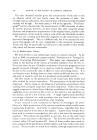
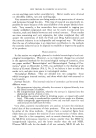
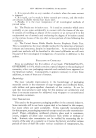
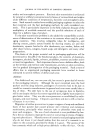
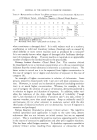
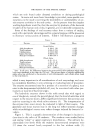
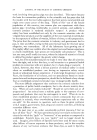
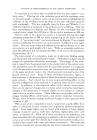
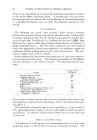
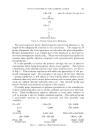
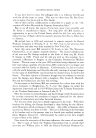
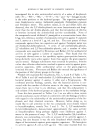
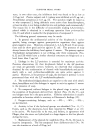
1NSULT PATCH TESTS IN STUDY OF CUTANEOUS REACTION 253 TAI•LE 4--REPEATED INSULT PATCH TEST WITH AN ANTIPEP, SPIll. ANT 100 Subjects: 91 Reacted. Representative Reactions Shown Subject Number 1 2 3 4 5 6 7 8 9 10 C 2 - lq- 2+ PMI+ 2+ PM- 1+ 2+ PM-- - -- 5 .... 1-4- 2+ PM- - - 15 - 1-½ 2+ 2+ PM- - 1-4- 1-4- lq- lq- - 26 F FF l-4- 1-4- 2+ PM .... 35 ..... 1-4- lq- lq- - 7l - - FF FF FF FF FF lq- - 75 - F 1+ 2+ PM-- FF 1+ 2+ R - - 94 FF 1+ 2+ 2+ PM- 2+ PM- -- -- C Challenging application. F Folliculitis, less degree than symbol FF. R Rest, patch not applied on account prior positive reactions. PM Patch moved on account prior positive reactions. TABLE 5--REPEATED INSULT PATCH TEST WITH AN ANTIPERSPlRANT 50 Subjects: 23 Negative. 3 Allergic Reactions Representative Reactions Shown Subject Number I 2 3 4 5 6 7 8 9 10 C 2 11 14 19 28 31 44 48 lq- 1+ 2q- PM - - 2+ 3+RP - 1+ lq- 1+ 1+ 1+ lq- -- - lq- lq- 1+ 2+ 2+ PM- -- - F F FF FF lq- 1+ - -- 2+ PM- 2+ PM2+ PMi+ 1+ 3+RP - - FF lq- 1+ lq- 1+ - 2+ PM- 1+ 2+ PM2+ R 1+ 1+ 2+RN 2+ PMI+ 1+ 1+ 1+ 1+ 2+ PM2+ 3+RP -- Negative. C Challenging application. F Folliculitis, less degree than FF. PM Patch moved. RP Retest positive. RN Retest negative. R Rest patch not applied on account of previous positive reactions. and Smiljanic (1) tested a series of mercaptans used in hair wave agents. Use concentration was applied to the skin on gauze and allowed to remain for thirty mh•utes daily fbr five days. After one week of nonexposure, applications were resumed until reactions developed or until the end of the test period at three weeks. Sensitization reactions appeared in the second stage of the study. Traub, Tusing and Spoor (2) employed an initial patch test followed by a three-week use test, finally a challenging patch test two weeks after cessation of use. Another method proposed to determine allergenicity is application of the tested substance at site of experimentally produced injm y or damaged skin. I have had no experience with this method. The rationale is that a damaged skin facilitates cutaneous allergy. It appears unrealistic since the tested substance may not be used on a damaged skin. Moreover,
Purchased for the exclusive use of nofirst nolast (unknown)
From: SCC Media Library & Resource Center (library.scconline.org)