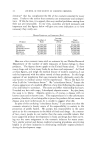
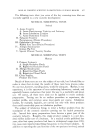
INSUI,T PATCH TESTS IN STUDY OF CUTANEOUS REACTION 249 other hand, no cosmetic, however cheap will succeed on the market if the consumer dislikes its inferior quality. CONCLUSION The use of the new methods of quality evaluation and toxicological pro- tection by the leading cosmetic manufacturers in this country and abroad is an indication that the trend of the industry is in the continuous improve- ment of its products. These methods are being improved almost every day or replaced once in a while by quicker and more accurate ones. Very soon, all obsolete empiric research routines will disappear from all cosmetic laboratories as the cracker barrel has disappeared from the corner grocery. THE CLOSED, OPEN, PROPHETIC AND REPEATED INSULT PATCH TESTS IN STUDY OF CUTANEOUS REACTION By JOSEPH V. KLAUDER* oeresented December 2, 1959, New York City TifF. pro,POSES of the patch test in study of cutaneous reaction are as follows: (1) To determine the range of concentration of a given substance that exerts (under the test conditions) a primary cutaneous irritant action. (2) Diagnostic: to determine if the skin is allergic to the tested sub- stance. (3) To determine if a given substance has allergenic action suflqcient, under the test conditions, to sensitize the skin by several or repeated appli- cations. (4) To determine other untoward cutaneous reactions as later dis- cussed. A primary cutaneous irritant is that concentration of a substance in that degree and duration of exposure that produces an inflammatory cutaneous reaction usually characterized by varying degrees of erythema, with or without swelling or blister formation. Since the irritability or reactibility of the skin varies in different persons, some may react to that concentra- tion to which others did not react as the concentration is increased a greater percentage of persons react until that concentration is reached that all persons will react. I think the proper concept of a cutaneous irri- tant is the reaction of an individual and not that of all persons. A cutaneous allergic substance is one that will produce a cutaneous reaction usually comprising degree of erythema comparable to that of a * Philadelphia, Pa.

INSUI,T PATCH TESTS IN STUDY OF CUTANEOUS REACTION 249 other hand, no cosmetic, however cheap will succeed on the market if the consumer dislikes its inferior quality. CONCLUSION The use of the new methods of quality evaluation and toxicological pro- tection by the leading cosmetic manufacturers in this country and abroad is an indication that the trend of the industry is in the continuous improve- ment of its products. These methods are being improved almost every day or replaced once in a while by quicker and more accurate ones. Very soon, all obsolete empiric research routines will disappear from all cosmetic laboratories as the cracker barrel has disappeared from the corner grocery. THE CLOSED, OPEN, PROPHETIC AND REPEATED INSULT PATCH TESTS IN STUDY OF CUTANEOUS REACTION By JOSEPH V. KLAUDER* oeresented December 2, 1959, New York City TifF. pro,POSES of the patch test in study of cutaneous reaction are as follows: (1) To determine the range of concentration of a given substance that exerts (under the test conditions) a primary cutaneous irritant action. (2) Diagnostic: to determine if the skin is allergic to the tested sub- stance. (3) To determine if a given substance has allergenic action suflqcient, under the test conditions, to sensitize the skin by several or repeated appli- cations. (4) To determine other untoward cutaneous reactions as later dis- cussed. A primary cutaneous irritant is that concentration of a substance in that degree and duration of exposure that produces an inflammatory cutaneous reaction usually characterized by varying degrees of erythema, with or without swelling or blister formation. Since the irritability or reactibility of the skin varies in different persons, some may react to that concentra- tion to which others did not react as the concentration is increased a greater percentage of persons react until that concentration is reached that all persons will react. I think the proper concept of a cutaneous irri- tant is the reaction of an individual and not that of all persons. A cutaneous allergic substance is one that will produce a cutaneous reaction usually comprising degree of erythema comparable to that of a * Philadelphia, Pa.
Purchased for the exclusive use of nofirst nolast (unknown)
From: SCC Media Library & Resource Center (library.scconline.org)