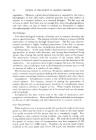
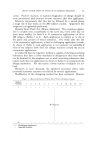
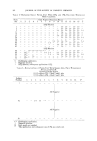
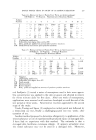
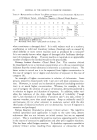
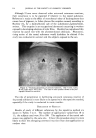
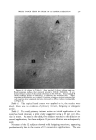
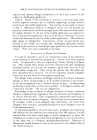
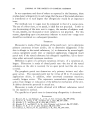
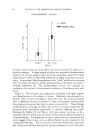
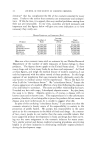
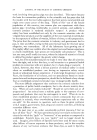
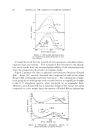
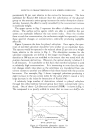
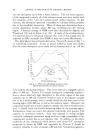
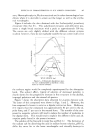
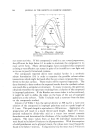
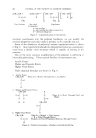
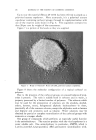
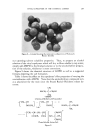
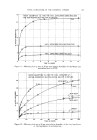
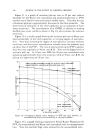
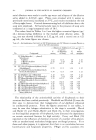
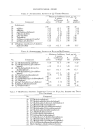
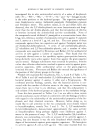
300 JOURNAL OF THE SOCIETY OF COSMETIC CHEMISTS Figure 11 is a graph of moisture pick-up rate at 50 per cent relative humidity for the 90 per cent neutralized and unneutralized resin rs. PVP, another one of the few water and solvent soluble resins. Note that the rate of moisture pick up is approximately the same for the three materials. The lower levels of saturation of the vinyl copolymer are an indication of lower water sensitivity. The neutralization with AMPD, in addition to making the film more water soluble as shown in Fig. 10, also increases the moisture sensitivity. Figure 12 is a similar graph showing the moisture pick ups at 90 per cent relative humidity of the vinyl copolymer at varying degrees of neutraliza- tion. Note that increasing the degree of neutralization increases moisture sensitivity and that excess neutralization actually raises the moisture pick up above that of the PVP. The rate of moisture pick up for PVP is greater than the vinyl copolymer at 90 per cent R.H. Note too the higher levels of moisture pick up. At 50 per cent R.H. the 90 per cent neutralized resin picked up approximately 4 per cent moisture, while at 90 per cent R.H. the pickup was approximately 36 per cent. 48 4O • 16 S•fARD ROCKI--R HARDNI.'_SS VALUE, VS. % RI, OF VINYL COPOLYMi R (U•JNEUTRAL•ZED AND 90% NEU"RALIZED) AND PVP • • VIN'•L COPOL'• •IER 'dt• t, Et •R•,LiZED • •• PVP VINYL CO[OLY• )0 % NEUTRALIZED 10 20 30 40 50 60 70 80 % RELATIVE HUMIDITY Figure 13.--Comparative Sward rocker hardness for PVP and resyn 28-1310, on neutralized and 90 per cent neutralized, at varying humidities. Figure 13 is a graph showing comparative Sward Rocker Hardnesses for PVP, the unneutralized and 90 per cent neutralized resin at varying humid- ities. Note the relatively high value retained by the unneutralized resin.

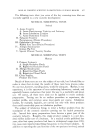
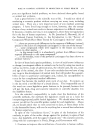
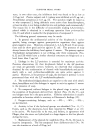
VINYL COPOLYMER IN THE COSMETIC COSMOS 301 PROPERTIES OF PVAc The previous discussion on the chemistry of PVAc polymers and the photos and graphs have touched on some of its properties. It will be useful at this point to summarize the properties of polyvinyl acetate in general and the carboxyl containing copolymer in particular. Prbperties of Polyvinyl /lcetate Resin 1. Thermoplastic. 2. Good adhesion to many surfaces. 3. Water resistant. 4. High moisture vapor permeability. 5. Colorless. 6. Odorless. 7. Grease resistant. 8. Light and heat stable. 9. Good long term aging in liquid and dry states. 10. Resists bacteriological decomposition. 11. Soluble in all common solvents except aliphatic hydrocarbons. 12. Compatibility with a wide range of modifying ingredients. 13. Good pigment binder. /ldditional Properties of the Carboxyl Copolymer 1. When unmodified soluble in alkaline media. 2. When neutralized, soluble in tap water. 3. Improved adhesion to polar surfaces. 4. Capable of further reaction at the carboxyl group (neutralization is one type of reaction). This chart shows all the properties common to the acetate homopoly- 1nets. In the lower section are those properties possessed by carboxyl con- taining copolymers--in addition to those above. HAIR SPRAY PROPERTIES The properties just described help to determine the potential usefulness of the vinyl acetate copolymer for specific cosmetic uses. For hair spray in particular, commercially prepared aerosols have shown: Good afiSnity for hair Good luster Good curl control Controlled water sensitivity A. Nonhygroscopic B. Nontacky Alkali dispersibility
Purchased for the exclusive use of nofirst nolast (unknown)
From: SCC Media Library & Resource Center (library.scconline.org)