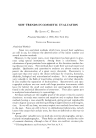
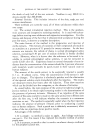
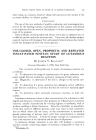
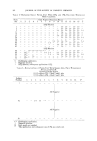
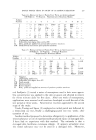
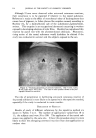
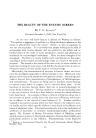
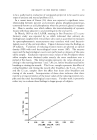
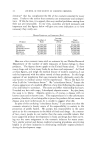
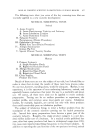
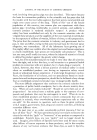
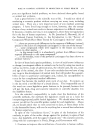
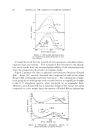
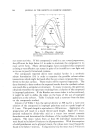
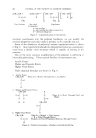
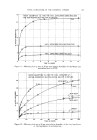
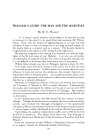
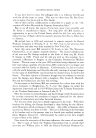
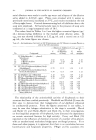
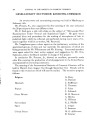
EFFECTS OF CHARACTERISTICS OF SUN SCREEN COMPOUNDS 283 is equivalent to studying a 100 mg. per cent solution in a 0.1 ram. path length. Therefore, multiplication of the optical density values by a factor of ten will convert them into the Kumler sun screen index. Figure 1 represents the data obtained for ethyl p-amino benzoate (ben- zocaine) in the solvents studied. The intersection of the spectral curves with the 308 mu wavelength is indicated by the vertical dotted line. It ß I0 NH (•OC.•'I 5 //// • AL • WA '• o5 ooL• 25O 50O 550 WAVE LENG. H (me) Figure 1. Ultraviolet absorption spectra of ethyl iv-amino benzoate in various solvents. Con- centration at 10 mg. % path length at 1.0 mm. See experimental section for identification of solvents. should be noted that the absorption maximum is below 300 m• so that the sunburn region is on the shoulder of the absorption curve. The solvent effects are therefore very pronounced and result in a striking shift in the relative sun screen efficiency in each solvent. Kumler (7) gave ethyl p- amino benzoate one of the highest sun screen indexes. However, it is apparent from the spectrum of the compound in alcohol relative to the other solvents that alcohol as a solvent leads one to an exaggeration of the compound's real usefulness as a sun screen. Since alcohol evaporates upon application of the sun screen preparation, the benzocaine would transfer to the residual nonvolatile components of the preparation. In isopropyl palmirate (IP) or mineral oil (MO), the compound loses much of its sun screen capacity. A detailed study of the spectral characteristics of ben- zocaine in solution of surface active agents was carried out by Riegelman (10) while investigating the effects of the surfactants on the stability of the benzocaine. The surfactants appear to shift the spectrum to longer wave- lengths, thereby potentially reversing the "quenching" effect of the non- polar solvents. However, inclusion of the surfactant in the formulation in relatively large amounts would create a residual film which would be easily washed off with perspiration or while bathing.

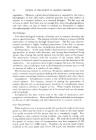
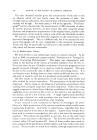
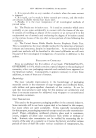
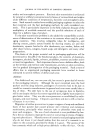
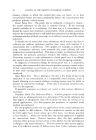
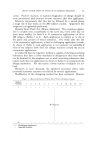
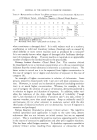
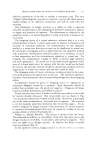
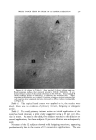
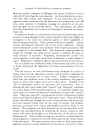
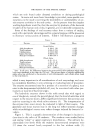
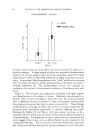
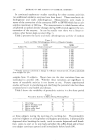
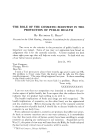
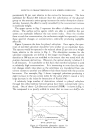
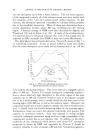
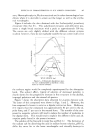
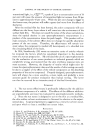
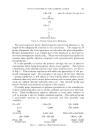
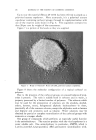
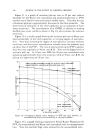
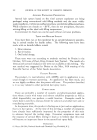
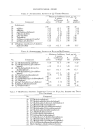
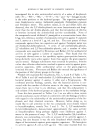
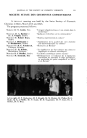
284 JOURNAL OF THE SOCIETY OF COSMETIC CHEMISTS oc t I•1• ), I • I I I • I •'•'•1= AL -- WA IP oo I 250 300 540 WAVE LENGTH (rn•) Figure 2.--Ultraviolet absorption spec- tra ooe glyceryl p-arnino benzoate in vari- ous solvents. It should be noted that the mineral oil curve possesses a shoulder indicat- ing more than one maxima. This increase in fine structure in the absorp- tion curve results from the increased polarizability of the valence electrons when the compound is dissolved in a nonpolar media. Figure 2 presents the data on glyceryl mono-p-amino benzoate (Escalol 106). Kreps (11) recently discussed this compound as well as the newer Escalol 206 (ethyl-p-glycosylimido benzoate). The substitution of agly- ceryl group for an ethyl group tends to make little or no significant changes in the U.V. absorption spectra, when compared on an equimolar basis. However, since Escalol 106 has a molecular weight of 211 versus 165, when compared on a unit weight basis, the spectra of Escalol 106 are reduced ap- J •o5 • • o4 OH • SALOL O o3 co • 0.1 •50 300 •50 •AVE LENGTH •m•
Purchased for the exclusive use of nofirst nolast (unknown)
From: SCC Media Library & Resource Center (library.scconline.org)