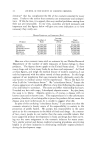
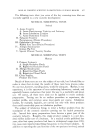
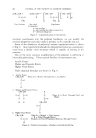
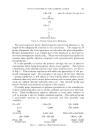
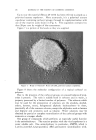
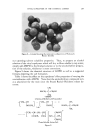
VINYL COPOLYMER 1N THE COSMETIC COSMOS 291 (9) I.e Rosen, A. L., and Reid, C. E., y. Chem. Phys., 20, 233 (1952). (10) Riegelman, S., •. ztm. Pharm. ztssoc., Sci. Ed., 49, in press, May, 1960. (11) Kreps, S. I., y. Soc. Cosmetic Chemists, 10, 98 (1959). (12) Signore, A., and Woodward, F. E., Ibid., 9, 358 (1958). (13) Knox, J. M., Guin, J., and Cickerell, E.G., y. Invest. Dermatol., 29, 435 (1957). (14) Mackie, B. S., and McGovern, V. J., zt. M. zt. ztrch Dermatol., 78, 218 (1958). (15) Robinson, R. A., and Biggs, A. I., ztustralian y. of Chem., 10, 128 (1957). (16) Barnett, G., and Powers, D. H., Proc. Sci. Sect. Toilet Goods ztssoc., No. 24, Dec., p. 24 (1955). (17) Ippen, H., and Betzler, H., drzneimittel Forsch., 7, 446 (1957). (18) Stambovsky, l•., Drug and Cosmetic Ind., 75, 311,460, 770 (1954), 76, 44 (1955). VINYL COPOLYMER IN THE COSMETIC COSMOS By P^t:L W•:i•rz * Presented December 2, ]959, New York City 'FEs ¾E^RS ^O0 the cosmetic industry had not yet been foreseen by our company as a potential market for its resin products. At that time we were oriented along two major lines--packaging adhesives and starches for paper, food and textile purposes. Our vinyl acetate polymer research program was moving into high gear, but our marketing plans were focused mainly on industries where its binding and sizing properties could be exploited. More recently, however, a polyvinyl acetate lacquer was introduced for aerosol Christmas snow, and as our technical market development special- ists gained greater familiarity with the burgeoning aerosol industry, they set their sights on hair lacquers as a prime target. After screening many polymers, a copolymer which was previously a laboratory curiosity was found to fill the bill very nicely. Today this product is in limited use in the aerosol hair sp•ay field and a number of companies are exploring nonaerosol cosmetic uses. This paper will serve to acquaint the reader with polyvinyi acetate generally, and one unique copolymer specifically. It will describe its derivation and polymerization, as well as the preparation of' vinyl acetate copolymers. A complete review of the properties of polyvinyl acetate and its copolymer will follow, with emphasis on properties useful in cosmetics. Data will then be given covering the properties of our copolymer (1), as prepared for hair sprays. Information will be presented on its aerosol properties, as well as tests for safety run by an independent laboratory. The patent position on resins for hair sprays will be described, and details given on field experience in hair sprays. * National Starch and Chemical Corp., Plainfield, N.J.

VINYL COPOLYMER 1N THE COSMETIC COSMOS 291 (9) I.e Rosen, A. L., and Reid, C. E., y. Chem. Phys., 20, 233 (1952). (10) Riegelman, S., •. ztm. Pharm. ztssoc., Sci. Ed., 49, in press, May, 1960. (11) Kreps, S. I., y. Soc. Cosmetic Chemists, 10, 98 (1959). (12) Signore, A., and Woodward, F. E., Ibid., 9, 358 (1958). (13) Knox, J. M., Guin, J., and Cickerell, E.G., y. Invest. Dermatol., 29, 435 (1957). (14) Mackie, B. S., and McGovern, V. J., zt. M. zt. ztrch Dermatol., 78, 218 (1958). (15) Robinson, R. A., and Biggs, A. I., ztustralian y. of Chem., 10, 128 (1957). (16) Barnett, G., and Powers, D. H., Proc. Sci. Sect. Toilet Goods ztssoc., No. 24, Dec., p. 24 (1955). (17) Ippen, H., and Betzler, H., drzneimittel Forsch., 7, 446 (1957). (18) Stambovsky, l•., Drug and Cosmetic Ind., 75, 311,460, 770 (1954), 76, 44 (1955). VINYL COPOLYMER IN THE COSMETIC COSMOS By P^t:L W•:i•rz * Presented December 2, ]959, New York City 'FEs ¾E^RS ^O0 the cosmetic industry had not yet been foreseen by our company as a potential market for its resin products. At that time we were oriented along two major lines--packaging adhesives and starches for paper, food and textile purposes. Our vinyl acetate polymer research program was moving into high gear, but our marketing plans were focused mainly on industries where its binding and sizing properties could be exploited. More recently, however, a polyvinyl acetate lacquer was introduced for aerosol Christmas snow, and as our technical market development special- ists gained greater familiarity with the burgeoning aerosol industry, they set their sights on hair lacquers as a prime target. After screening many polymers, a copolymer which was previously a laboratory curiosity was found to fill the bill very nicely. Today this product is in limited use in the aerosol hair sp•ay field and a number of companies are exploring nonaerosol cosmetic uses. This paper will serve to acquaint the reader with polyvinyi acetate generally, and one unique copolymer specifically. It will describe its derivation and polymerization, as well as the preparation of' vinyl acetate copolymers. A complete review of the properties of polyvinyl acetate and its copolymer will follow, with emphasis on properties useful in cosmetics. Data will then be given covering the properties of our copolymer (1), as prepared for hair sprays. Information will be presented on its aerosol properties, as well as tests for safety run by an independent laboratory. The patent position on resins for hair sprays will be described, and details given on field experience in hair sprays. * National Starch and Chemical Corp., Plainfield, N.J.
Purchased for the exclusive use of nofirst nolast (unknown)
From: SCC Media Library & Resource Center (library.scconline.org)