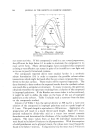
NEW TRENDS IN COSMETIC EVALUATION 247 3. It is reproducible on any number of animals when the same extract is injected. 4. It is rapid, can be made in thirty seconds per extract, and the results are always available twenty-four hours later. 5. Finally, it is the most inexpensive of all toxicological methods of proved value. (b) The Draize eye irritation test. It is used on cosmetics which come normally or can come accidentally in contact with the tissues of the eye. It consists of instilling an aliquot of the cosmetic or an extract of it in the conjunctival sac of animals and evaluating the degree of irritation caused on the various tissues of the eye after various periods of time following the installation. (c) The United States Public Health Service Prophetic Patch Test. This is considered as the most reliable method for the detection of primary irritants and cutaneous, despite its imperfections. As we understand that patch test methods will be described in this issue by Klauder we will omit this part of the toxicological investigations of cosmetics in deference to the author. P^c•:^G•rG of Cos•rETmS Since we published the first edition of our book: PACKAGING EN- GINEERING in 1954, which contains a special chapter on the packaging of cosmetics, a few new packaging materials and methods have appeared on the American market. Consequently, it appears necessary to review these additions, as some of them are of interest. Bacteriology The most valuable improvements in the bacteriology of packaging materials consist in the treatment of soap wrappers and cardboard boxes, with mildew and germ-repellent chemicals of low toxicity. It can be said that most products used today for this purpose are satisfactory and there is no excuse anymore for mildewed soap wrappers or contaminated face powder containers. Odor Transmission This used to be the greatest packaging problem in the cosmetic industry. Some materials still in use leave a great deal to be desired in this respect, but many others are quite acceptable. Unless especially manufactured for this purpose, no packaging materials except metals are odor transmission- proof. Paper, cellophane, cardboard, plastics, glass used in containers, covers, stoppers all allow odor transmission fi'om within or without or both. Intrinsic odor transmission can be verified by measuring the in- tensity of the odor of a cosmetic as it leaves the factory and after various periods of time of shelf life under various conditions of temperature, hu-

248 JOURNAL OF THE SOCIETY OF COSMETIC CHEMISTS midity and atmospheric pressure. Extrinsic odor transmission is evidenced by natural or artificial contaminations by fumes of various kinds and origins under different conditions of temperature, humidity and atmospheric pres- sure. Such research studies have enabled packaging engineers to select the best materials and the best packaging methods for each considered cos- metic. This is particularly important in the field of plastics because of the multiplicity of available materials and the possible selections of each of them for a definite type of product. To the odor transmission problem is also added the compatibility and ab- sence of deterioration of the container or its contents when used for pack- aging cosmetics. This involves collapsible tubes for toothpastes, and shaving creams, plastic aerosol bombs for shaving creams, air and skin deodorants, squeeze bottles for skin deodorants, eye washes, before and after shave lotions, colognes, liquid soaps and detergents and many other preparations. The choice of the proper material and its packaging application will be determined by the pH of the finished product, the contents of chemicals, detergents, alcohols, lipolds, solvents, emulsifiers, enzymes and other active or inactive ingredients. Such important factors have a definite effect, both on the intrinsic and extrinsic odor transmission, and also on odor contamina- tion by gradual disintegration of the packaging material. Such a state of affairs due to unpretested packaging materials have resulted in losses estimated to several millions of dollars each year. ,/ldditives The Additives Law, •:ow one year old, has caused a great deal of worries in the packaging industry. Although the most concerned were the food packers and the drug industry, packagers of cosmetics had to be just as careful as cosmetic manufacturers in general and even more careful than a few of them. We refer here to the use of carcigenous dyes in lipsticks, still in use despite the fact that some vegetable dyes, slightly more expensive give better colors. They are also more penerrant as established by radio- isotopes, and more lasting. Cleopatra used them and she is still a criterion of beauty in our times. Migration of mildew preventives in paper wrappers of soap and cardboard boxes of face powder had caused primary skin irritation and cutaneous sensitization, principally when mercury salts or phenolics were used to treat such wrappers. The use of such chemicals is now prohibited by law. So is the use of plastics improperly cured or containing an excess of migrat- ing toxic plasticizers. Manufacturers of cosmetics and packaging materials who do not know it yet should realize that the cost of a cosmetic is no object to the consumer, provided he thinks it is good. The success of the best cosmetics which sell at high prices definitely verifies this fact. On the
Purchased for the exclusive use of nofirst nolast (unknown)
From: SCC Media Library & Resource Center (library.scconline.org)