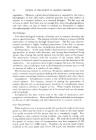
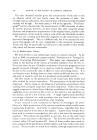
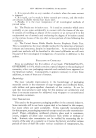
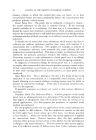
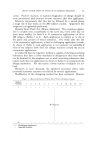
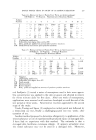
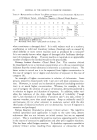
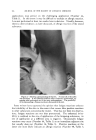
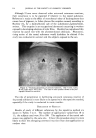
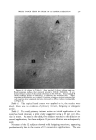
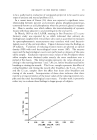
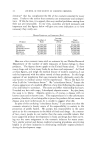
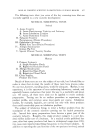
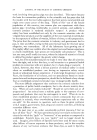
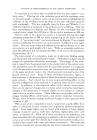
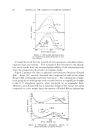
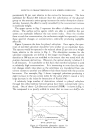
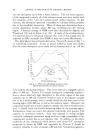
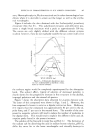
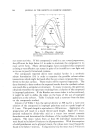
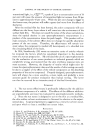
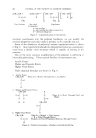
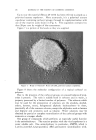
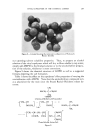
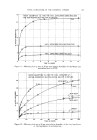
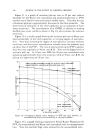
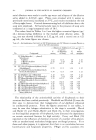
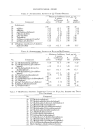
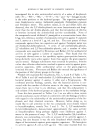
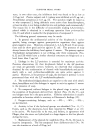
296 JOURNAL OF THE SOCIETY OF COSMETIC CHEMISTS Up to now the material (Resyn 28-.1310) has been referred to simply as a polyvinyl acetate copolymer. More accurately, it is a polyvinyl acetate copolymer containing carboxyl groups through its copolymerization with one of the reactive acids shown in Fig. 6. The copolymei contains less than 2{) per cent by weight of the comonomer. Figure 7 is a picture of the beads as they are supplied. Figure 7.--Beads of National's Resyn 28-1310, polyvinyl acetate copolymer. Figure 8 shows the molecular configuration of a typical carboxyl co- polymer. Due to the presence of the carboxyl groups an unusual balance of prop- erties is present. The resin is soluble both in solvents and in water, a property possessed by a limited number of polymers. The solvents which may be used for the preparation of solutions are the alcohols, alcohol- ethers, ketones, esters, halogenated aliphatic hydrocarbons--in short, practically all of the common solvents, except the aliphatics such as hexane and heptane and aromatics such as toluene. Water solutions may be obtained by partial or complete neutralization of the carboxyl groups with ammonia or stronger alkalis. One group of coinpounds which performs an especially useful function is the aminohydroxys. The reaction product with the vinyl copolymer is a water soluble salt. One aminohydroxy in particular, AMPD, which is 2-amino-2-methyl-l,3-propanediol, offers permament neutralization with-

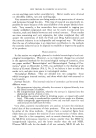
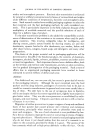
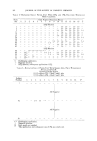
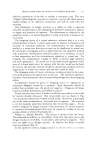
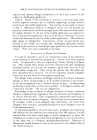
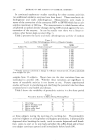
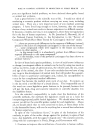
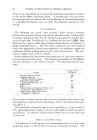
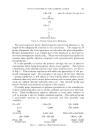
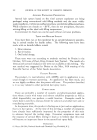
VINYL COPOLYMER IN THE COSMETIC COSMOS 297 !' :5: .... 75i• :- ..::. :... a. 2::: ":.:j . ....,, . . •: .......... 4& :. .2?" '"•?•'•. ' ?.)1%. •,•7:z:.' • .::,.' .'" • •-. . . . .... • • .,.-' :. }•!:: "::: i- t :'•:5•,..::..•.•5• ...... "%': .•? • ' '-' ß ....... •: ...'% .•.... . . . ...... :...::. .[ ,......., ................... Figure 8.•A model showing the molecular configuration of National's Resyn 28-1310. out upsetting solvent solubility properties. Thus, to prepare an alcohol solution of the vinyl copolymer which will dry to films soluble in tap water, simply add AMPD to the finished solution or to the alcohol before prepara- tion of the solution, whichever is more convenient. Figure 9 shows the chemical structure of AMPD as well as a suggested formula depicting the salt formation. Table 1 shows the effect on the copolymer's film properties of varying the neutralization with AMPD. Note that the aminohydroxy compound acts as a plasticizer for the resin since the Sward Rocker Hardness values de- crease. CH• I HOCH.,--C--CH.,OH I NH., "AMPD" 2-Amino-2-Methyl-l,3-Propanediol -- FCH.,--•H 1 -- + CH• I L COOH_I HOCH.,--C--CH•OH 4n n ] NH,., _ q_ --FCH•--CH--CH•--CH-] [- CHuOH-] I ' H I , [ , H/ L OCOC • COO_! H•N--•--C • L cnonj Water-Soluble Amine Salt Figure 9.
Purchased for the exclusive use of nofirst nolast (unknown)
From: SCC Media Library & Resource Center (library.scconline.org)