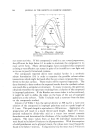
30:2 JOURNAL OF THE SOCIETY OF COSMETIC CHEMISTS AEROSOL PACKAGING PROPERTIES Aerosol hair sprays based on the vinyl acetate copolymer are being packaged using conventional cold filling methods and the most widely used propellants, trichloromonofiuoromethane and dichlorodifiuoromethane. While solutions are cloudy at -20øF., they do not precipitate, thus per- mitting filling at this ideal cold filling temperature. Conventional tin lined cans can be used without •orrosion problems. TESTS FOR HEALTH SAFETY Tests have been run on the copolymer by an outside laboratory specializ- ing in animal studies for health safety. The following tests have been made with no harmful effects noted: 1. Skin irritation. 2. Eye irritation. 3. Oral lethal dosage. These tests were run according to methods outlined by Draize in the October, 1955 issue of Food, Drug, Cosmetic Law •ournal. The results of a three-month aerosol inhalation test were not available at this writing. The test method was suggested by Draize at the May, 1958 meeting of the Scientific Section of the Toilet Goods Association. PATENT PICTURE The product, its neutralization with AMPD, and its application is un- usual enough to warrant parenting. An application has been made, and we are highly confident that the patent will issue. The product described is in no way related to other patented hair spray resins. CONCLUSIONS There are probably a number of cosmetic and pharmaceutical applica- tions where a resin with water and solvent solubility properties as well as alkali dispersibility can perform a useful function. Examples would be where there is need for a resinous binder for colorants and other inert and/or nonadhering materials. At the present time, this product is finding use in just such an application that is in hair sprays. At the time of this writing, a number of companies have already been sufficiently impressed by the properties of this resin to advance beyond the testing stage. Consumer acceptance tests and the response of aerosol fillers testing it lead us to believe that this resin will become an important factor in the aerosol hair spray field. REFERENCES (1) Resyn 28-1310, National Starch and Chemical Corp, Plainfield, N.J.

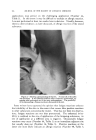
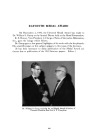
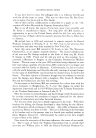
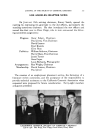
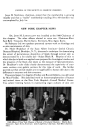
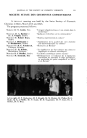
ELEVENTH MEDAL AWARD ON DECEMBER 2, 1959, the Eleventh Medal Award was made to Dr. William S. Gump at the Annual Dinner held at the Hotel Commodore. R. E. Horsey, Vice-President in Charge of Sales of Givaudan-Delawanna, Inc., gave the eulogy which follows. Dr. Gump gave a few general highlights of his work with the bis-phenols. His scientific paper on this subject appears in this issue of the JOURN^L. [It has been necessary to delay publication of the Medal Award ad- dresses due to publication of the 1959 Seminar papers. Editor.] Dr. William S. Gump receiving An ual Medal Award of Society of Cosmetic Chemists from Mr. S. F. Coneybear. 3O3
Purchased for the exclusive use of nofirst nolast (unknown)
From: SCC Media Library & Resource Center (library.scconline.org)