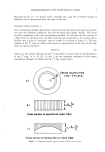
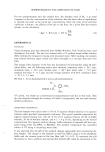
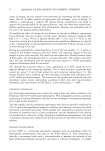
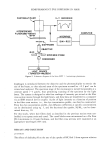
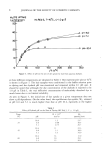
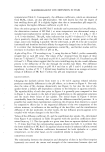
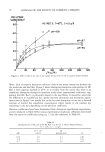
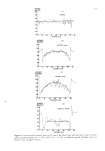
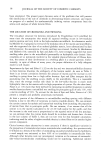
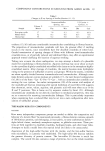
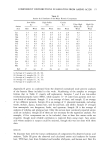
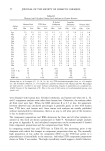
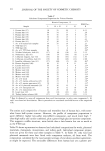
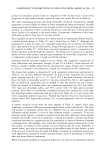
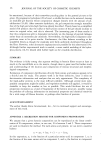
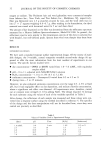
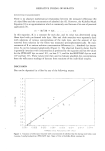
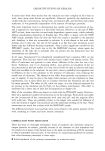
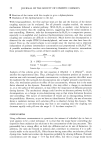
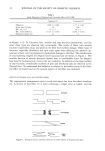
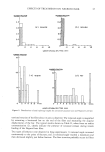
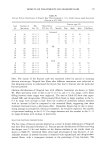
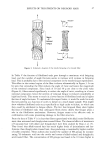
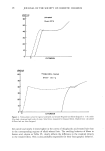
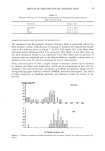
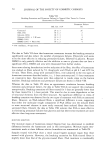
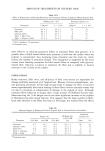
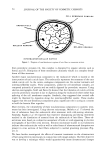
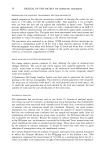
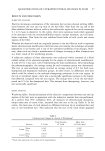
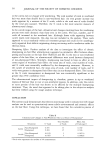
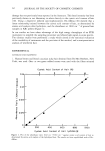
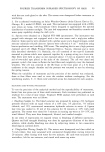
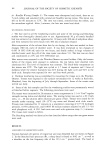
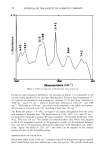
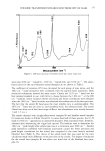
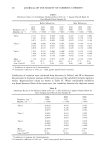
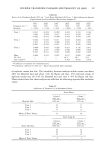
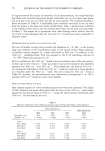
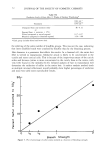
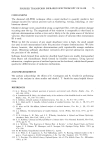
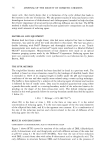
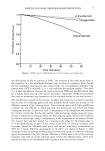
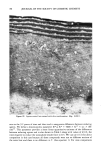
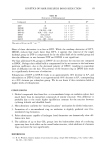
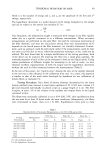
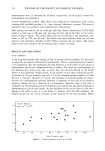
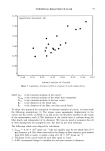
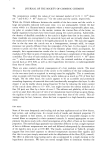
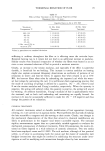
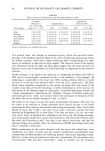
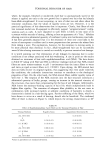
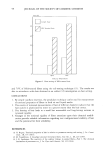
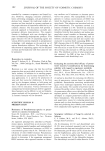
42 JOURNAL OF THE SOCIETY OF COSMETIC CHEMISTS Table I Some Properties of Negroid and Caucasian Hair at 65% RH Negroid (2) Caucasian (4) Ellipticity 1.895 + 0.083 1.17 + 0.04 Strain rate (%/min) 50 100 Brk. ext. (%) 27 + 5 38 + 1 Brk. stress(GN/m 2) 0.123 + 0.016 0.202 + 0.011 Premature failure (%) 22 2 in Figure 1 (2). In Caucasian hair, smooth and step fractures predominate, and the other three types are observed only occasionally. The cuticle of fibers with smooth fractures is generally intact and protects the fiber from further damage. Other types of fractures, especially fibrillated and split ends, apart from affecting the aesthetic ap- pearance of hair, lead to progressive longitudinal damage to the fiber. The distributions of axial splitting lengths for Negroid and Caucasian hair are shown in Figure 2. The number fraction of smooth fractures (shaded box) is considerably lower for Negroid hair than for Caucasian hair, even in the wet condition. In addition to the large number of step fractures, considerable numbers of split and fibrillated ends are observed in the Negroid hair. To understand this behavior in relation to the kinky nature of the fiber, the effect of tensile load on the twisted regions of the fiber was examined. EFFECTS OF TENSILE LOAD ON TWISTED FIBERS The experimental arrangement used to study this aspect has been described elsewhere (2). A section of hair fiber (2-5 mm) containing a single twist is loaded, and the Smooth L__] [ I, Step Fibrilloted Figure 1. Principal fracture patterns observed in tensile failure of Negroid hair fibers.

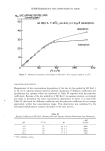
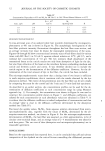
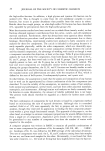
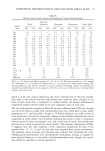
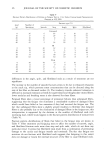
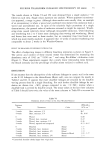
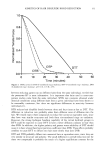
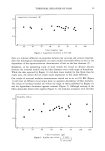
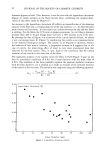
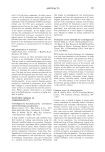
EFFECTS OF TREATMENTS ON NEGROID HAIR 43 NUMBER FRACTION 0.8 0.6 0,4 0.2 NUMBER FRACTION ( a ) 65'/,RH 0,6 0.4 0,2 i i i i 0 .6 .8 1.0 .2 LENGTH OFAXIAL SPLITTING (ram) ( b ) 90'/,RH I , [----'1 | I I I I A .6 .8 1.0 NUMBER FRACTION 0.:5 I 0.2 ( C ) 65%RH 0.1 0 .2 .4 .8 1.0 !mm NUMBER FRACTION 02 0.1 0 (d) WET nn-n n,n, .... LENGTH OFAXIAL SPLITTING (ram) Figure 2. Distributions of axial splitting lengths for untreated Caucasian (a,b) and Negroid (c,d) hair. torsional rotation of the fiber about its axis is observed. The torsional angle is magnified by mounting a horizontal bar on the end of the fiber and measuring the angular displacement of the bar. The typical results shown in Table II, taken from an earlier communication (2), clearly indicate the presence of torsional stresses during tensile loading of the Negroid hair fiber. Two types of behavior were observed in these experiments: 1) torsional angle increased continuously to the point of fracture and 2) torsional angle reached a maximum and then decreased slightly just before fracture. The first situation probably occurs in fibers
Purchased for the exclusive use of nofirst nolast (unknown)
From: SCC Media Library & Resource Center (library.scconline.org)