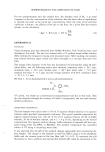
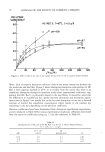
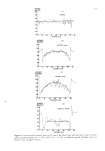
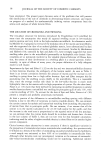
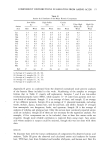
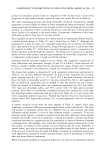
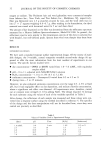
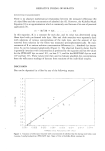
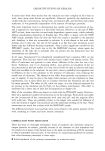
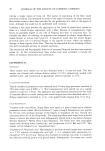
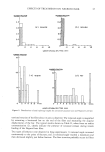
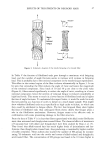
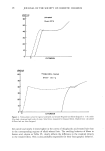
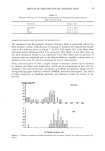
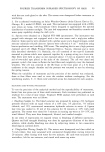
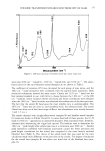
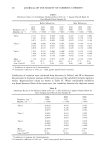
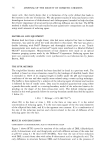
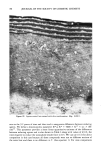
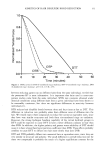
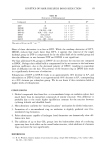
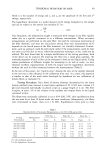
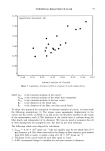
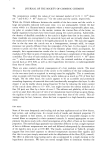
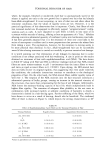
48 JOURNAL OF THE SOCIETY OF COSMETIC CHEMISTS LOAD 50 40 3O 20- I0- /i///'•/• i// Untreated Strain= 3.5 % EXTENSION LOAD (g) 60 50 40 3O I 20 I I I / I0 / / / o o Thioglycolate- treated Strain = :5.1 I / / I EXTENSION Figure 4. Stress-strain curves for typical untreated and treated Negroid hair fibers fatigued to 11 kc under 30-g load, showing high levels of creep. Solid lines: measured for fatigued fibers. Dashed lines: calculated if fibers had not been fatigued. the cuticle and nearly 4 times higher in the cortex of thioglycolic acid-treated hair than in the corresponding regions of alkali-relaxed hair. The swelling behavior of fibers in formic acid, shown in Table VI, clearly reflects the difference in the crosslink density in the treated fibers. This is also probably responsible fbr their fractographic behavior.

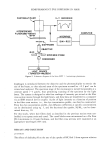
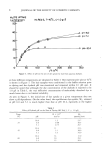
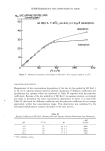
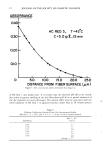
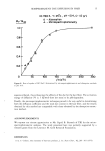
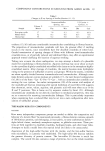
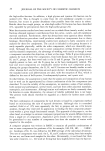
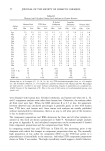
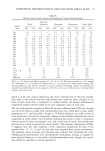
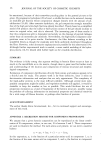
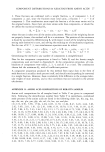
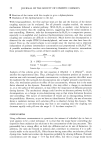
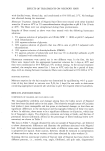
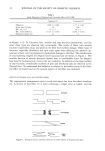
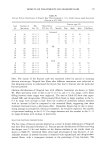
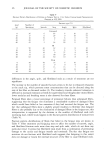
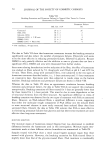
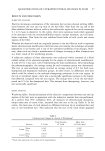
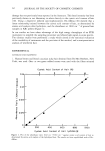
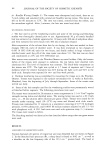
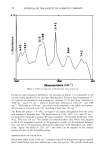
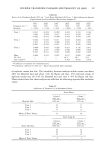
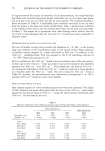
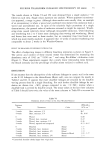
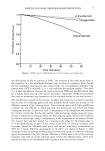
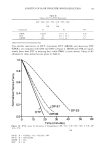
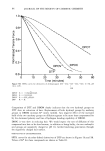
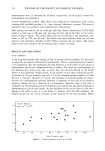
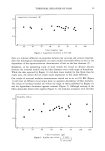
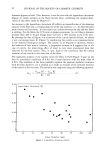
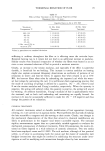
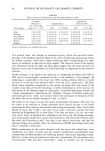
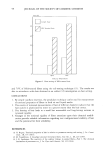
EFFECTS OF TREATMENTS ON NEGROID HAIR 49 Table VI Diameter Swelling (%) of Untreated, Superrelaxed, and Thioglycolate-Treated Negroid Hair in Formic Acid Treatment Formic Acid Untreated 47.8 _+ 10.6 SR 76.8 + 13.3 TGA 118.6 + 18.2 PREMATURE FAILURE AND THE EFFECT OF HUMECTANTS The mechanical and fractographic behavior of keratin fibers is profoundly affected by their moisture content. Distributions of extension to break for the Negroid hair sample used in this work are shown in Figure 5. At 65% RH, nearly 26% of the fibers show premature failure (breaking below 22% extension). Wet fibers, on the other hand, do not show premature failures to any significant level. This shows that the presence of moisture plays an important role in the fracture behavior, possibly causing stress re- laxation at the crack tip and thus reducing the rate of crack growth. From a practical point of view, a slight increase in moisture content can be achieved by treating the fibers with humectants, which can be incorporated in hair care for- mulations. Two such humectants, polyacrylic acid (PAA) and glycerin, along with the strong swelling agent dimethyl sulfoxide (DMSO), have been investigated. The effects of these treatments on breaking extension and premature failure are shown in Ta- ble VII. NUMBER FRACTION 0 8 16 24 32 40 65 %RH .14 .12 I I wet .10 .... , , , EXTENSION-TO- BREAK (%) Figure 5. Change of extension-to-break distribution for untreated Negroid hair fibers with relative hu- midity.
Purchased for the exclusive use of nofirst nolast (unknown)
From: SCC Media Library & Resource Center (library.scconline.org)