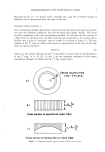
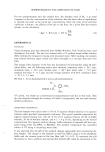
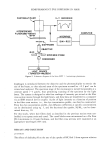
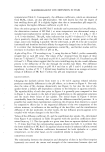
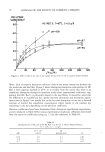
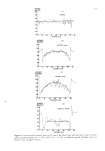
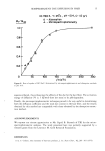
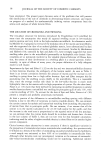
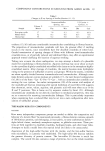
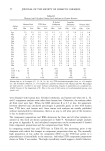
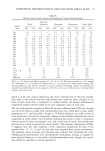
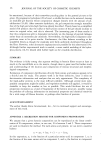
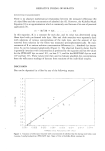
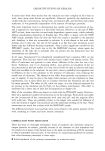
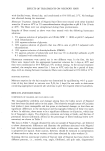
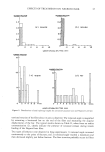
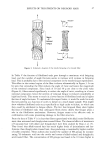
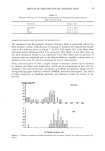
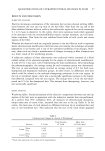
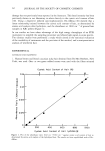
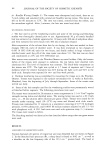
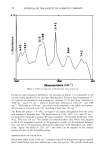
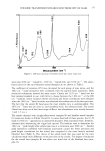
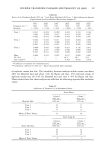
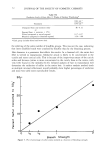
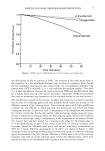
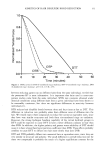
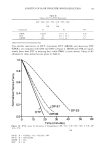
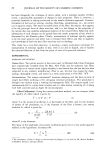
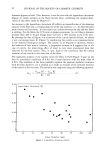
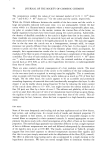
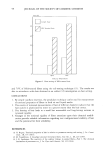
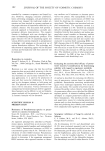
KINETICS OF HAIR DISULFIDE BOND REDUCTION 81 0.8 \\ \\ ß \ \ \ \ \ \ \ \ \ \ DTP DTT DTB "- ''",,,,...... .......... 0.0 , , , , , , 0 10 20 30 40 50 60 Time (minutes) Figure 3. SFTK curves for DTT (6-membered ring 2 hydroxy), DTP (5-membered ring 1 hydroxy), DTB (6-membered ring 1 hydroxy). pH 10.0, 0.5 M, 22øC. between reducing agents run on different hairs from the same individual, we feel that the parameter K • is most informative. It is important that hairs used in cross-com- parison studies come from the same individual. SFTK rate constants obtained under identical conditions using different hairs from a given individual have been shown to be reasonably consistent, but there are significant differences in reactivity between individuals (1). DTB reduces hair disulfide bonds between three and four times as fast as DTT. This difference in reduction rate probably arises from different rates of diffusion into the hair. We would expect these compounds to reduce free cystine at equivalent rates, since they have very similar structures and both form six-membered rings on oxidation. However, the strong hydrogen bonding capability of the vicinal hydroxyl groups in DTT could be expected to cause DTT to have a lower diffusion constant in hair than does DTB. In addition, the higher polarity and greater water solubility of DTT should cause it to have a lower hair/water partition coefficient than DTB. These effects probably combine to cause DTT to diffuse into hair more slowly than does DTB. DTP and DTB probably diffuse into unreacted hair at equivalent rates, since they are very similar in structure and polarity. The small difference in overall reduction rate for these two compounds is probably the result of a higher equilibrium constant for the

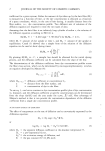
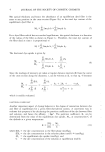
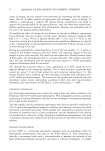
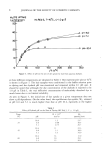
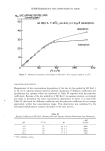
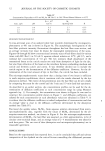
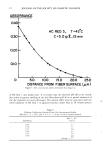
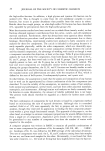
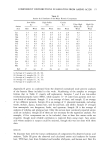
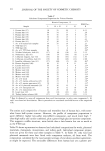
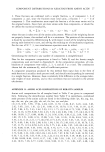
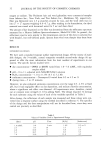
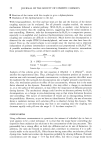
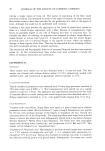
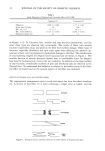
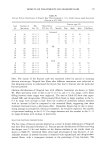
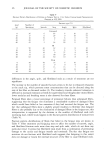
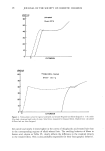
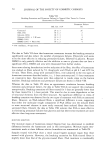
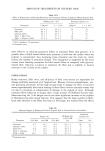
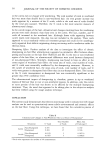
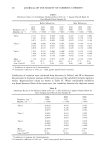
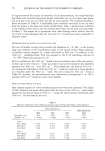
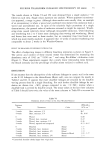
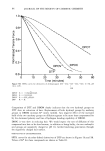
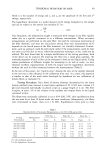
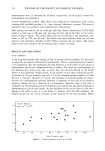
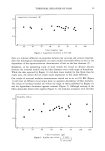
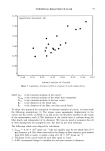
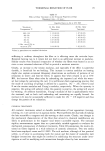
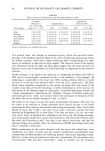
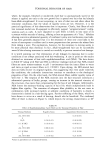
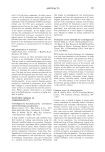
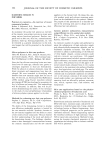
82 JOURNAL OF THE SOCIETY OF COSMETIC CHEMISTS Table I Rate Constants and Half Times for DTT, DTB, and DTP Compound K K* t(1/2) (min.) DTT 6.8 x 10 6 1.8 23.5 DTP 3.3 x 10 -5 5.1 9.8 DTB 4.7 X 10 -5 6.5 7.0 0.05 M, pH 10.0, 22øC. The units of K are sec-• M • 5 CM-• 5 reaction between cystine and DTB. The DTB-cystine reaction would be expected to have a somewhat higher equilibrium constant than the DTP-cystine reaction, because the five-membered dithiane ring formed by DTP on oxidation is strained compared to the six-membered dithiolane ring formed by DTB. However, this difference is not large enough to produce major changes in the reduction rate, as DTB only reduces hair about 25% faster than DTP. 0. 0.6 0.4 \ \ \ \ \ \ \ \ DTB ' ' ...... '"'• DBOC I I I I 0 10 20 30 40 50 60 DBOM \ - DTT Time (minutes) Figure 4. SFTK curves for analogues of dJthiothreJtol (HS- CH 2 -CH- CH- CH 2 xo.o, 22øc. I I R• R 2 DTB -- 1,4-dithio-2-butanol. R• = H, R2 = OH. DBOM = 2,3-dimethoxydithiothreitol. R• = OCH•, R 2 = OCH•. DTT -- dithiothreitol. R• = OH, R 2 = OH. DBOC = 2,3-diacetoxydithiothreitol. R• --- OCO2H, R 2 -- OCO2H. -SH) 0.5 M, pH
Purchased for the exclusive use of nofirst nolast (unknown)
From: SCC Media Library & Resource Center (library.scconline.org)