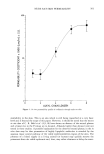
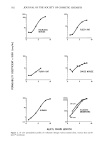
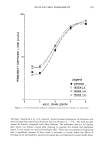
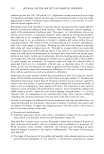
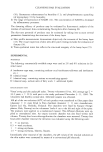
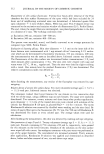
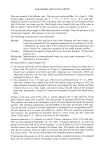
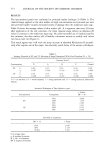
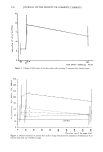
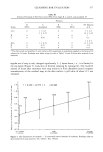
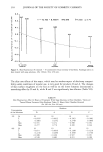
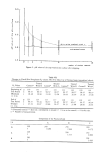
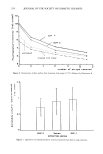
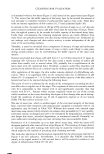
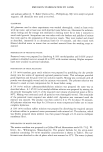
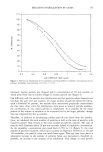
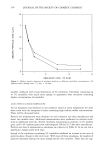
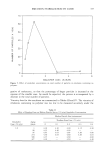
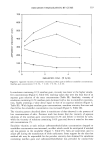
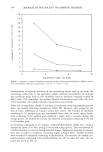
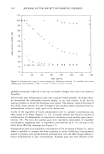
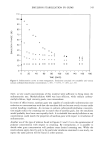
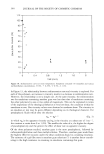
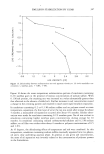
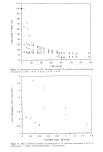
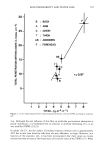
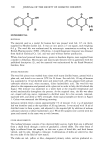
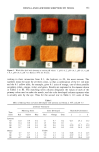
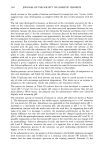
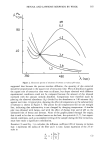
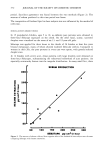
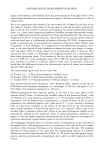
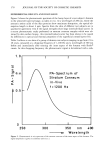
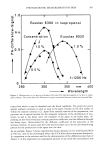
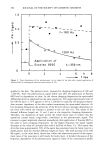
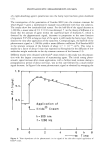
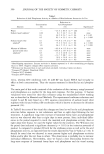
EMULSION STABILIZATION BY GUMS 335 !1o 100 - 90- 80- 70- 60- 50- 40- 30- 20- 10- [] + [] + D + D + 0.2 0.4 0.6 0.8 I I .2 I .4 LOG PARTICLE SIZE (pm) Figure 3. Particle size distribution of two emulsions containing different emulsifier concentrations and no polymer. Emulsifier concentrations: [] 0.25%, + 0.5%. increased, median particle size dropped until a concentration of 3% was reached, at which point there was no further change in median particle size (Figure 4). One difficulty with the particle size distributions was that particles whose diameter was less than two }xm were not counted. If a large number of particles below the instru- ment's threshold are present, the median value determined graphically overestimates the true value. Also, since the distributions were given in terms of particle numbers, the contribution of very small particles is emphasized. It is possible for the major portion of the volume of emulsion to be accounted for by the larger globules, though they are comparatively few in number. Therefore, in addition to determining median particle size values from the distribu- tions, we tabulated the total number of particles as well as the ratio of particles with diameters greater than 20 }xm to the total number of particles counted. The ratio of particles with diameters above 20 }xm was inversely related to emulsifier concentration. As the emulsifier concentration was raised from 0.25% to 1% (Figure 5), the total number of particles increased, reflecting an increase in dispersion. However, at 3% and 5% emulsifier, the particle count was much lower again. This may have been due to a substantial increase in the number of particles below our instrument's threshold or, possibly, an increase in the amount of oil solubilized. This change in total particle

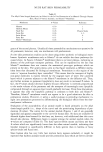
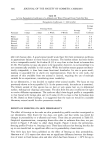
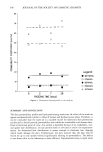
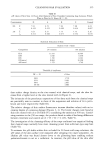
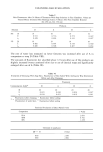
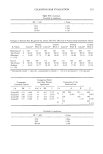
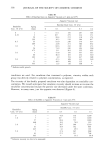
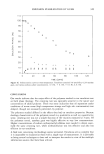
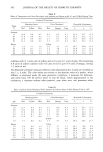
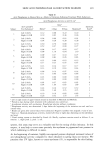
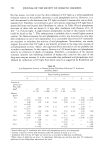
336 JOURNAL OF THE SOCIETY OF COSMETIC CHEMISTS Q:::: 12_ z I 0 4 6 I I I EMULSIFIER CONC. (% W/W) Figure 4. Median particle diameter of emulsion droplets at different emulsifier concentrations. No polymer added. Storage time: [] 1 day, + 60 days. number correlated with visual observation of the emulsions. Emulsions containing up to 1% emulsifier were much more opaque in appearance than emulsions containing higher concentrations of emulsifier. AGING EFFECTS AT ROOM TEMPERATURE No oil separation was observed in any emulsion stored at room temperature for more than a year with the exception of some containing high sodium sulfate concentrations. These will be discussed below. Particle size distributions were obtained on each emulsion just after manufacture and about two months later. Additional measurements were performed on selected emul- sions at additional intervals. Several emulsions (containing no polymer, 0.2% xanthan gum, and 0.4% xanthan gum) were reinvestigated 308 and 427 days after manufacture. Particle size data of representative emulsions are collected in Table II. In no case was a significant change noted with time. Several of the emulsions containing 5% emulsifier exhibited an increase in the ratio of particles above 20 I.•m to the total count. With most of these emulsions, the number of particles decreased during the same storage period (two months). These data are sug-
Purchased for the exclusive use of nofirst nolast (unknown)
From: SCC Media Library & Resource Center (library.scconline.org)