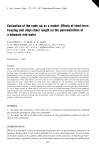
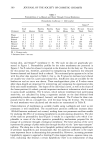
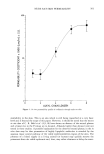
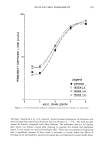
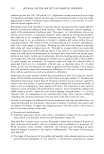
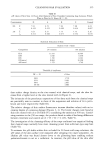
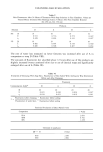
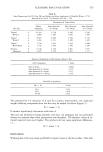
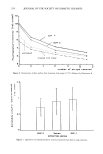
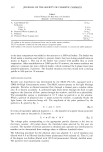
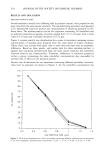
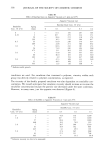
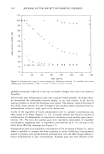
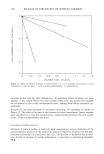
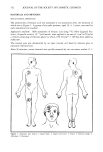
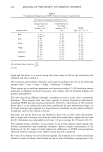
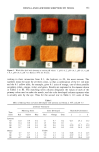
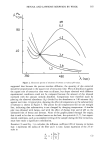
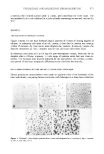
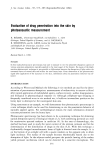
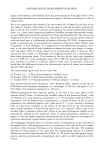
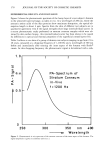
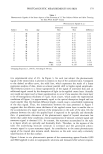
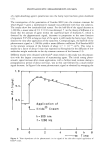
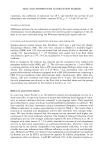
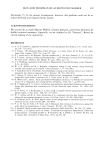
VISUALIZING AND MEASURING SEBUM SECRETION 371 protecting the defatted surface under a plastic, perforated boat for three hours. The accumulated lipids were collected in a glass cylinder containing hexane and analyzed by TLC. RESULTS VISUALIZATION OF DROPLET PATTERNS Figure 1 shows the one hour forehead droplet patterns of women of varying degrees of oiliness. In sebaceous rich areas of an oily person, a clear droplet pattern may emerge within 15 minutes. By three hours, some droplets may coalesce. In non-oily people who describe themselves as "dry," droplets may be tiny and scarce after three hours. In sebaceous poor areas such as the leg of a post-menopausal woman, there may be no droplets after a 24-hour exposure. A wide range of patterns exists between these ex- tremes. The exposure time must be adjusted for site and subject. On the face, a collec- tion period of one hour adequately differentiates the oily from the non-oily. COMPARISON OF SEBUTAPE WITH THE HEXANE EXTRACTION TECHNIQUE Sebum production measurements were made on opposite sides of the foreheads of the nine individuals, comparing hexane extraction with Sebutape in a three-hour collection a Figure 1. Forehead, 1 hour droplet patterns from women self-designated as: a, very dry b, dry c, normal d, oily e, very oily. (2 x ).

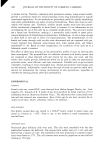
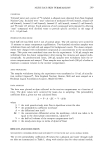
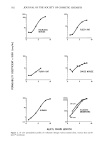
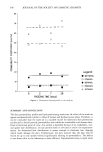
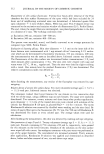
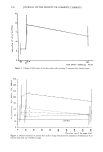
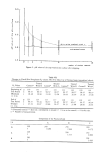
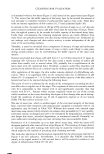
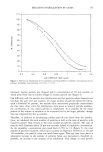
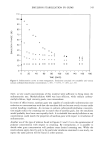
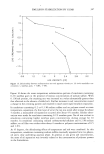
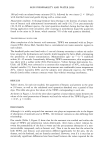
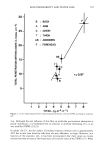
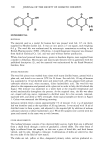
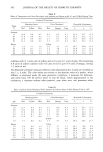
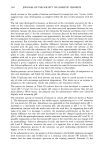
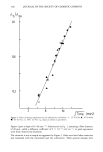
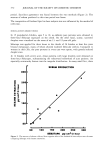
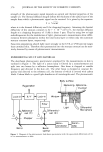
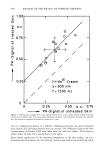
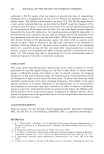
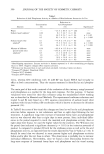
372 JOURNAL OF THE SOCIETY OF COSMETIC CHEMISTS period. Excellent agreement was found between the two methods (Figure 2). The amount of sebum produced in this time period was linear. The composition of forehead lipid in three subjects was not influenced by the method of collection. MISCELLANEOUS OBSERVATIONS In 15 prepubertal children, ages 5 to 10, no definite pore patterns were obtained in three-hour Sebutape exposures on the cheek. On the other hand, scanty, scattered droplets were visualized on the noses of six 11- and 12-year-old girls. Sebutape was applied for three hours to the cheeks of 26 females at least five years beyond menopause, many of whom showed widened follicular orifices. Compared to women in their 20s, the pore patterns in every case were sparse, with greatly reduced droplet sizes. In 12 females with severe acne, dense patterns with large droplets were obtained on three-hour Sebutapes, substantiating the reknowned seborrhoea of acne patients. An especially noteworthy feature was the irregular distribution. In many small foci, there SEBUM PRODUCTION 300 ß I 2OO I ß ß I 100 I 50•- ! ! ! ! . 50 1OO 150 200 250 300 SEBUTAPE pg/cm2/3 hour Figure 2. The amount of sebum collected from opposite sides of the forehead of nine subjects was the same comparing Sebutape with hexane extraction.
Purchased for the exclusive use of nofirst nolast (unknown)
From: SCC Media Library & Resource Center (library.scconline.org)