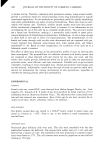
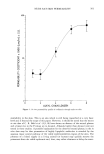
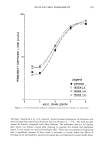
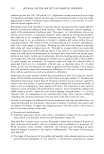
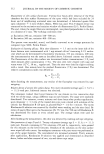
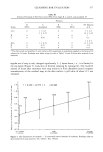
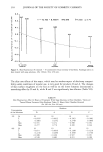
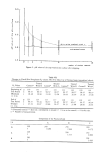
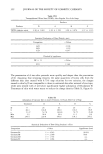
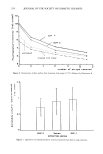
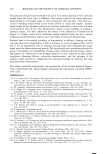
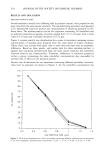
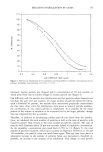
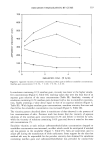
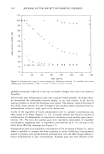
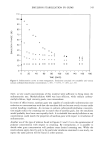
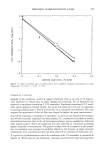
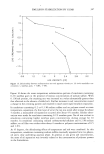
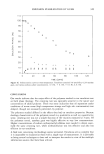
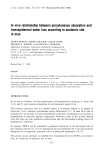
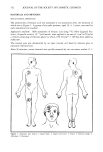
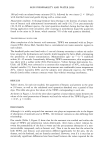
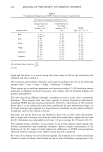
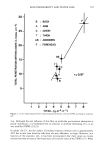
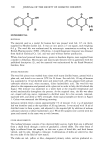
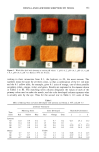
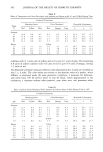
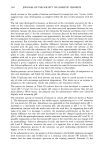
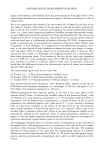
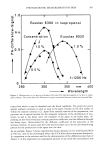
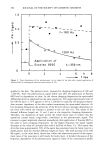
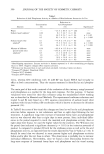
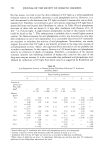
346 JOURNAL OF THE SOCIETY OF COSMETIC CHEMISTS -1 - -2- 0 0.2 0.4 0.6 0.8 1 1.2 1.4 1.6 POLYMER CONC. (% W/W) Figure 12. Effect of different polymers on sedimentation rate at 1% emulsifier concentration at room temperature. [] xanthan gum, + sodium carboxymethylcellulose, O methylcellulose. occurred within one day after manufacture. In emulsions where creaming was more gradual, it was usually linear with time initially. Only a few data points were available for calculation of the initial sedimentation rates, making these values somewhat ap- proximate. Patterns for the three polymers in emulsions containing 1% emulsifier are shown in Figure 15. The order is the same as that observed at room temperature. Again, xanthan gum was effective at very low concentrations. Carboxymethylcellulose was next in effi- ciency, while methylcellulose was third. INCLUSION OF SODIUM SULFATE Inclusion of sodium sulfate in relatively high concentration reduces hydration of the polyoxyethylene moieties of the surfactants used as emulsifiers. Evidence for this phe- nomenon is provided by cloud point data (22). The decrease in hydration due to addi- tion of salts or increase of storage temperature is equivalent to decreasing emulsifier HLB.

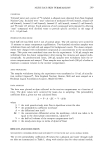
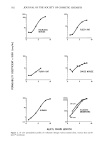
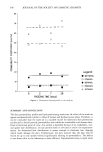
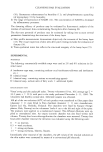
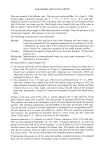
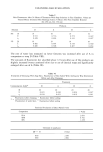
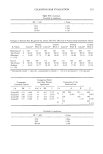
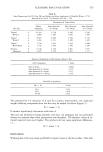
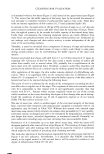
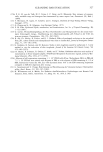
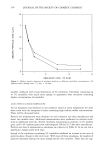
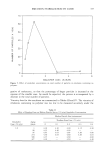
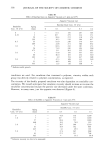
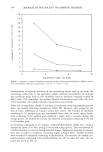
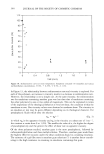
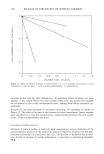
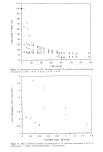
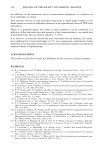
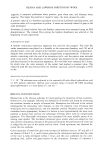
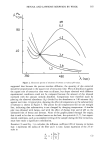
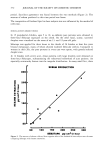
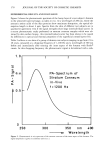
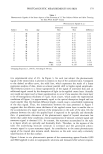
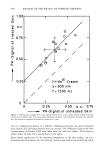
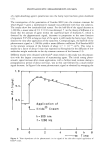
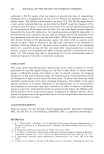
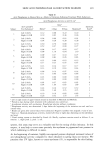
EMULSION STABILIZATION BY GUMS 347 1.5 1 0.5 -0.5 -1 0 --2 I I I I I I I I I I I I 0.8 1.2 1.6 2 2.4 2.8 ,3.2 LOG VISCOSITY (CP) Figure 13. Relationship between sedimentation rate and apparent viscosity at 1% (w/w) emulsifier con- centration. [] xanthan gum, + CMC, O MC. Figure 16 shows the room temperature sedimentation pattern of emulsions containing 0.2% xanthan gum in the presence of various concentrations of sodium sulfate. With O. 1 M salt present, the creaming rate was increased to a value substantially greater than that observed in the absence of added salt. Further increases in salt concentration caused a change in the creaming pattern and resulted in much more rapid emulsion separation. In emulsions containing 0.2 or 0.3 M sodium sulfate and no polymer stored at room temperature, separation of a thin layer of oil at the top was noted after storage for about 5 months a measurable oil separation occurred after about 9% months. Similar obser- vations were made for emulsions containing O. 1% xanthan gum. No oil was evident in emulsions containing higher xanthan gum concentrations during storage for 10 months. In emulsions containing sodium carboxymethylcellulose and 0.2 M sodium sulfate, an oil film was evident after about 6 months at polymer concentrations of O. 5 and 1.0%. At 45 degrees, the dehydrating effects of temperature and salt were combined. At this temperature, emulsions containing sodium sulfate eventually separated into two phases, oil and a clear underlying aqueous phase. In general, at any given salt concentration, the onset of oil separation was inversely related to the concentration of polymer present in the formulation.
Purchased for the exclusive use of nofirst nolast (unknown)
From: SCC Media Library & Resource Center (library.scconline.org)