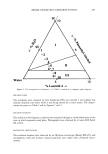
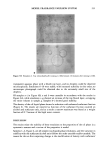
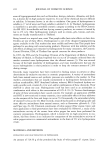
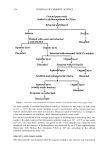
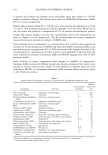
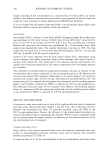
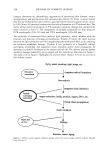
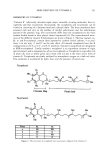
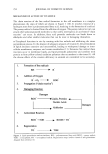
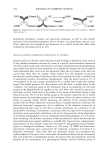
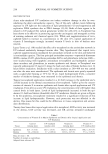
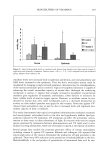
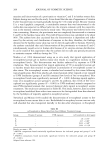
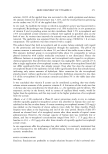
252 JOURNAL OF COSMETIC SCIENCE MECHANISM OF ACTION OF VITAMIN E The chain reaction of the free radical formation in the cell membrane is a complex phenomenon the steps of which are shown in Figure 3 (10). It involves removal of a hydrogen atom from a polyunsaturated fatty acid, resulting in the formation of a radical. The peroxy radical is formed from the addition of oxygen. The peroxy radical in turn can attack other polyunsaturated molecules so that unless interrupted, an accelerated "chain reaction" can occur. In addition, fatty acid peroxide molecules can break down to aldehydes and other smaller molecules that can be toxic or damaging themselves. tx-Tocopherol functions in vivo by reacting with free radicals and inhibiting the tissue peroxidation process. In the absence of adequate amounts of vitamin E, the peroxidation of lipids becomes extensive and uncontrolled, leading to widespread damage to intra- cellular membranes, enzymes, and certain metabolites (11). Extensive free radical chain reactions occur in membrane lipids, and lipid peroxides polymerize and combine with protein to form yellow-colored oxidation polymers that accumulate in the tissue (1). All the diverse effects of the vitamin deficiency in animals are considered to be secondary, o . Formation of free radicals RH ............................................ t• Addition of Oxygen R' + 02 ........................ • Propagation ("chain reaction") Damaging Reaction Damages RO0' Antioxidant Reaction , ROO' • Lipids, Proteins Nucleic Acids .• Aldehydes Damages . RO0' + TOH ........................ t• ROOH + TO' Regeneration TO' ß ........................................... • TOH Figure 3. Lipid peroxidation and antioxidants. RH = polyunsaturated fatty acid ROO': peroxy radical TOH = ot-tocopherol TO' = ot-tocopheryl radical. Regeneration steps involve vitamin C and glutathione. Adapted from reference 10.

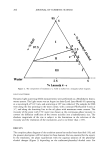
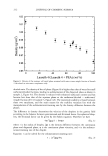
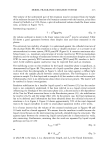
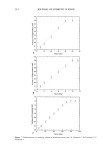
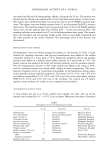
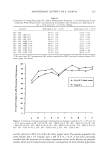
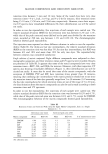
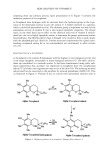
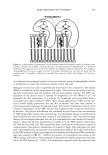
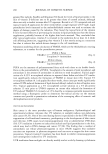
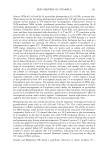
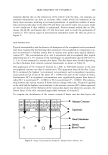
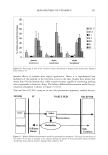
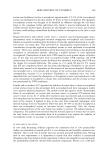
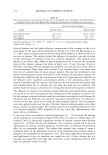
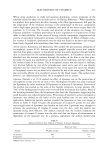
SKIN DELIVERY OF VITAMIN E 253 stemming from one primary process, lipid peroxidation (11). Figure 4 contains the oxidation products of tx-tocopherol. tx-Tocopherol loses hydrogen with its electrons from the hydroxyl group at the 6-po- sition in the chromanol nucleus to give the radical. It is further oxidized to a quinone, which is devoid of antioxidant activity. The chroman group is important not only for the antioxidant activity of vitamin E, but it also imparts lipophilic properties. The phytyl chain, on the other hand, has no effect on the chemical reactivity of vitamin E antioxi- dants but, due to its highly lipophilic nature, is important for proper positioning within biomembranes. The flexible phytyl chain is thought to be rotated or bent to pack closely with the phospholipid acyl chains (4). Further structural requirements for a good chain- breaking tocopherol analog for in vivo autooxidation are summarized in other reviews (12-15). REGENERATION OF a-TOCOPHEROL ot-Tocopherol is the vitamin E homologue with the highest in vivo biological activity and is the major lipophilic antioxidant in many biological systems (16). The skin's antioxi- dants are interlinked in a network system. It has been demonstrated using pulse radi- olysis experiments that ascorbate can regenerate ot-tocopherol from the tocopheroxyl radical (17) and that such regeneration may occur in the skin (18). The resulting ascorbyl radical itself can be converted to the ascorbate by reduced glutathione (GSH) (19). This is illustrated in Figure 5. Vitamin E acts in concert with antioxidant enzymes such as Me HO•O • Me •C 16H33 I Me Me -w Me Me •C16H33 I Me Me Alpha-Tocopherol Alpha-Tocopherol radical Me HO• + 2H_ •C 16H33 •' 2H Me" T 'OHoHMe Me O ••C16H33 Me' • •'O olI_•Me Me Alpha-Tocopheryl hydroquinone Alpha-Tocopheryl quinone Figure 4. Oxidation products of o•-tocopherol. Adapted from reference 1.
Purchased for the exclusive use of nofirst nolast (unknown)
From: SCC Media Library & Resource Center (library.scconline.org)