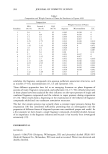
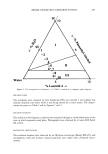
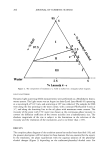
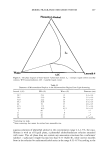
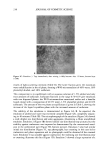
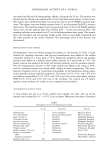
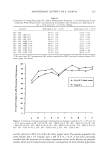
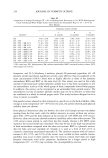
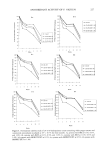
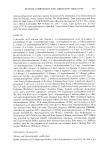
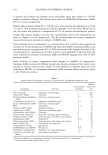
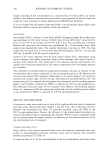
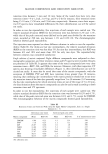
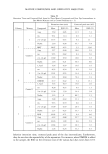
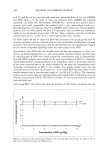
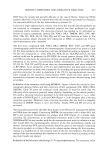
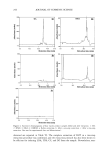
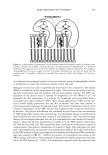
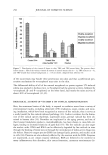
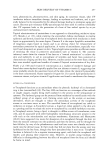
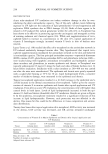
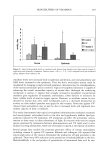
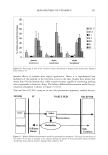
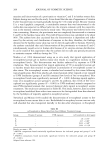
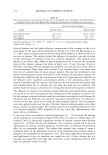
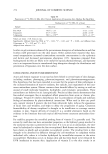
266 JOURNAL OF COSMETIC SCIENCE Table II Designation of Skin Thickness of Cryosections Using a Tape-Stripping Procedure Designation Layer Thickness (pm) SC 1 Stratum corneum 5 SC2 Stratum corneum 5 E 1 Epidermis 10 E 2 Epidermis 10 PD Papillary dermis 100 D Dermis 400 SF Subcutaneous fat =100 Adapted from reference 97. percentage of each form was expressed relative to its respective total. The lower layers (PD and D) contained the major portion of applied vitamin E due to the thickness of these layers. The PD represents about 16% of the total skin thickness, but obtained about 40-50% of the vitamin E homologues. This layer contains the sebaceous glands- lipid secretory organs, which may account for the affinity of this layer for vitamin E. The dermal layer had 30-40% of the vitamin. SF contained about 11-14% of the skin vitamin E. The percentage of •-tocotrienol in SC1 (10 + 5%) was significantly (P 0.01) greater than in SC2 (2 _+ 1%), E1 (2 + 2%) or E2 (2 _+ 2%) and lesser than in PD (40 _+ 15%) or D (36 + 15%, P 0.0001). The SC1 percentage of o•-tocotrienol or percentage of o•-tocopherol was also significantly less than in PD or D (P 0.0001). The percentage of o•-tocotrienol appeared to accumulate more in the PD, while a larger fraction of o•-tocopherol was found in the D. The results are shown in Figure 10. In all cases the percentage in PD of vitamin E was greater than its respective percentage in SF. The authors noted that within the first 0.5 h (first time point measured), vitamin E homologues penetrated through the entire skin to the SF layer, though it was unclear whether this rapid penetration was into skin cells (keratinocytes or fibroblasts), around the cells in the skin lipids, or down the hair follicles into the deepest layers. Trivedi et a/, (98) proposed that topically applied vitamin E functions as a penetration enhancer. The authors investigated the potential for permeation enhancement of a model semi- polar solute, hydrocortisone, across human cadaver skin in the presence of vitamin E and found an enhancement in the permeability of hydrocortisone by vitamin E. SKIN METABOLISM OF o•-TOCOPHERYL ESTERS Skin is not a passive barrier that merely restricts the diffusion of chemical agents into the body. The skin is a viable, metabolizing membrane that can metabolize an assortment of topically applied substances before they become systematically available. Much em- phasis has been spent in the last several years on examining the influence of skin metabolism on percutaneous absorption. Certain highly reactive compounds, such as benzo[a]pyrene, testosterone, and estradiol may be significantly metabolized during their percutaneous absorption. Vitamin E acetate or other esters of o•-tocopherol are often used as the prodrug forms of vitamin E due to their stability under atmospheric con- ditions. However, it is theoretically impossible for the acetate to have an effect as an antioxidant since phenolic hydroxyl of the tocol nucleus is chemically protected by the acetate esterified to it. Despite this, vitamin E acetate affords protection against the

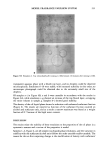
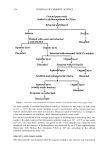
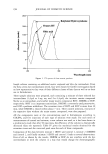
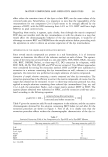
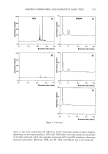
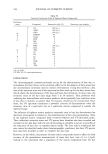
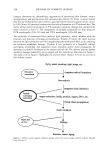
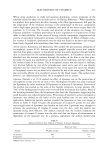
SKIN DELIVERY OF VITAMIN E 267 8O 70 t 50- 3o 10 0 , gamma alpha to½otrienol to½otrienol alpha tocopherol I,i SC1 sc 2 E1 E2 PD Figure 10. Percentage of each of the vitamin E forms distributed in biopsies from mouse skin. Adapted form reference 97. harmful effects of sunlight after topical application. Hence it is hypothesized that hydrolysis of the prodrug to the free form occurs in the skin. Studies have shown that mouse skin (99) and human skin (100) contain esterases capable of converting prodrug ester compounds to bioactive drugs. The bilayer diffusion/bioconversion model for per- cutaneous absorption is shown in Figure 11 (101). Tojo and Lee (102,103), using an i, vitro skin permeation apparatus, studied the per- DONOR SC VIABLE SKIN RECEPTOR onversion Sink Condition ß Reservoii • -- Diffusion Barrier Figure 11. Bilayer diffusion/bioconversion model for percutaneous absorption. The drug concentration on the surface of the skin is assumed to be constant during the period of skin penetration (skin-controlled transdermal drug delivery system). Adapted from reference 103.
Purchased for the exclusive use of nofirst nolast (unknown)
From: SCC Media Library & Resource Center (library.scconline.org)