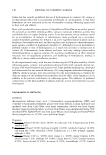
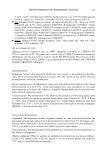
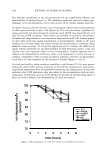
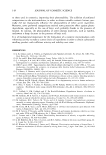
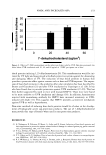
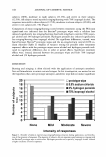
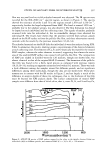
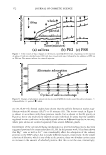
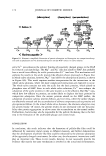
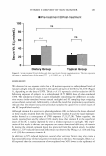
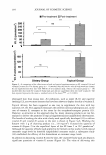
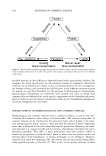
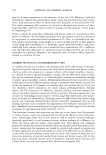
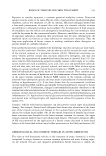
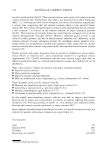
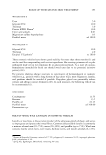
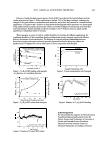
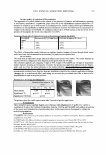
VITAMIN E DELIVERY BY SKIN CLEANSER 183 ■ Pre-treatment D Post-treatment 100 ns 80 0 ns E *** 60 w +l 40 E :J ... 20 m en 0 Dietary Group Topical Group Figure 2. Serum vitamin E levels before and after topical and dietary supplementation. The data represent the mean ± standard error of the mean (*** = p 0.001 ns = p ;;::= 0.05 ). DISCUSSION We observed in two separate trials that a 30-minute exposure to suberythemal levels of natural sunlight reduced vitamin E in the superficial layers of the SC by 50-65% (Figure 1), depending on the dose of UVR. Thiele et al. (7) reported a similar reduction (45%) following exposure of subjects to a suberythemal (0. 7 5 MED) dose of solar-simulated UVR. The similarity of results is quite remarkable considering the differences in radia tion sources (solar-simulated versus natural sunlight) and SC sampling (tape stripping versus ethanol extraction). Additionally, it should be noted that preliminary experiments indicate that the ethanol extraction procedure samples the upper five to seven layers of the SC (unpublished results). Although vitamin E is sensitive to photodegradation (26), we believe the losses observed in these studies resulted from the reaction between vitamin E and the lipid hydroper oxides formed as a consequence of UVR exposure (7,21,27,28). Taken together, the results reported here and by others (7 ,28) clearly show that vitamin E in the superficial layers of the SC is readily depleted by even a modest exposure to sunlight. The impli cation of this result is obvious: sun exposure can create a functional deficiency of vitamin E, leaving the stratum corneum lipids less protected from free radical attack. A similar effect (i.e., UV-induced functional deficiency) was observed by Wang et al. (29) and Sorg et al. (30) for cutaneous vitamin A. In addition to UV-induced depletion, several other extrinsic factors may also create a functional deficiency of this key protective molecule in the skin. For example, Rhie et al. (6) reported that the concentration of u-tocopherol was 56% lower in the epidermis of

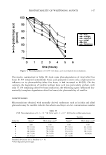
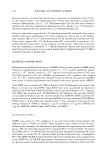
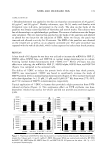
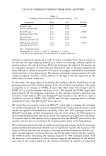
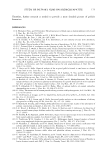
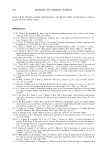
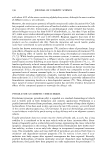
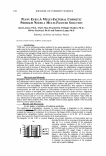
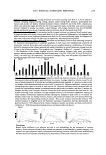
184 t:"" E � 160 0 b E 120 - a., ..... a., u w 80 40 JOURNAL OF COSMETIC SCIENCE ■ Pre-treatment □ Post-treatment *** ns Dietary Group Topical Group Figure 3. A comparison of the effectiveness of oral and topical supplementation on SC vitamin E (a) and vitamin E acetate (b). The dietary group (n = 11) washed their skin with a vehicle body wash (no vitamin E) and supplemented their diet with 400 IU of cx-tocopherol daily, whereas the topical group (n = 10) washed their skin with the vitamin E body wash and did not supplement their diet with vitamin E. The data reported represents the mean ± standard error of the mean (*** = p :S: 0.001). photoaged skin than young skin. Air pollutants, such as ozone (8,31) and cigarette smoking (32), are two more stressors that have been shown to deplete the skin of vitamin E. Topical delivery has been suggested as one way to supplement the skin with key nutrients ( 15, 16). This approach eliminates the need for intestinal absorption and, in the case of vitamin E, transport to the tissue by the tocopherol-transport protein (33). However, as attractive as this approach may be, many cleansing products are not for mulated to deliver the promises of topical supplementation (unpublished observations). The benefit of washing the skin with a body wash specifically developed (25) to deliver vitamin E and vitamin E acetate to the skin is shown in Figure 3a,b. Washing the forearm with 1 g of cleansing product (i.e., 3.8 mg/cm2 ) increased the quantity of vitamin E (Figure 2) in the superficial layers of the SC from 5 to 267 pmoles/cm2 • Although the quantity of body wash applied to the forearm in this study exceeds typical consumer usage levels by threefold (unpublished consumer study), a subsequent study (34) established the efficacy of this formulation at consumer usage levels. In addition to depositing vitamin E onto the skin, the vitamin E body wash also deposits significant quantities of vitamin E acetate (Figure 36). The value of delivering this
Purchased for the exclusive use of nofirst nolast (unknown)
From: SCC Media Library & Resource Center (library.scconline.org)