VITAMIN E DELIVERY BY SKIN CLEANSER 187 DVB-induced oxidative damage in stratum corneum lipids by an antioxidant-containing cosmetic formulation, Photodermatol. Photoimmunol. Photomed., 15, 115-119 (1999). (22) A. Fontana, A look at the skin care market: Personal cleansing and personal wash, Expose, 5, 4-7 (2002). (23) US EPA Exposure Factors Handbook (Office of Health and Environmental Assessment, Exposure As sessment Group, Washington, DC, EPA/600/8-89/043, 1992), pp. 8-11. (24) B. L. Lee, S. C. Chua, H. Y. Ong, and C. N. Ong, High-performance liquid chromatographic method for routine determination of vitamins A and E and 13-carotene in plasma,]. Chromotogr., 581, 41--47 (1992). (25) Z. Nabi, T. G. Polefka, N. Soliman, and A. Tavakkol, Composition and use, WO Patent Ol 74328A3. (26) E. S. Krol, K. A. Kramer-Stickland, and D. C. Liebler, Photoprotective actions of topically applied vitamin E, Drug Meta. Rev., 32, 413--420 (2000). (27) K. S. Yuen and G. M. Halliday, Alpha-tocopherol, an inhibitor of epidermal lipid peroxidation, prevents ultraviolet radiation from suppressing the skin immune system, Photochem. Photobiol., 65, 587-592 (1997). (28) R. M. Maison and G. M. Beijersbergen van Henegouwen, Topical antioxidant vitamins C and E prevent DVB-radiation-induced peroxidation of eicosapentaenoic acid in pig skin, Radiat Res., 157, 402--409 (2002). (29) Z. Wang, M. Boudjelal, S. Kang,]. J. Voorhees, and G. J. Fisher, Ultraviolet irradiation of human skin causes functional vitamin A deficiency, preventable by all-trans retinoic acid pre-treatment, Nat. Med., 5, 418--422 (1999). (30) 0. Sorg, C. Tran, P. Carraux, L. Didierjean, F. Falson, and J. H. Saurat, Oxidative stress-independent depletion of epidermal vitamin A by UVA,]. Invest. Dermatol., 188, 513-518 (2002). (31) S. T. Weber, N. Han, and L. Packer, Ozone: An emerging oxidative stressor to skin, Curr. Prob/. Dermatol., 29, 175-186 (2002). (32) E. Pelle, E. P. Miranda, C. Fthenakis, T. Mammone, K. Marenus, and D. Maes, Cigarette smoke induced lipid peroxidation in human skin and its inhibition by topically applied antioxidants, Skin Pharmacol. Appl. Skin Physiol., 15, 63-68 (2002). (33) D. H. Blatt, S. W. Leonard, and M. G. Traber, Vitamin E kinetics and the function of tocopherol regulatory proteins, Nutrition, 17, 799-805 (2001). (34) S. E. Ekananyake-Mudiyanselage, A. Tavakkol, T. Polefka, P. Elsner, and J. J. Thiele, Rinse-off product containing alpha-tocopherol: An efficient strategy of supplementing the skin barrier with vitamin E and protecting it from photo-oxidative damage,]. Invest. Dermatol., 121, 1108 (2003). (35) M. Ranganrajan and J. Zatz, Kinetics of permeation and metabolism of O'.-tocopherol and O'.-tocopheryl acetate in micro-Yucatan pig skin,]. Cosmet. Sci., 52, 35-50 (2001). (36) Z. Nabi, A. Tavakkol, M. Dobke, and T. G. Polefka, Bioconversion of vitamin E acetate in human skin, Curr. Prob/. Derrnatol., 29, 175-186 (2001). (3 7) W. Baschong, C. Artmann, D. Hueglin, and J. Roeding, Direct evidence for bioconversion of vitamin E acetate into vitamin E: An ex vivo study in viable human skin,]. Cosmet. Sci., 52, 155-161 (2001). (38) K. Werninghaus, M. Meydani, J. Bhawan, R. Margolis, J.B. Blumberg, and B. A. Gilchrest, Evalu ation of the photoprotective effect of oral vitamin E supplementation, Arch. Dermatol., 130, 1257- 1261 (1994).

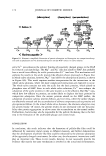
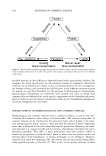
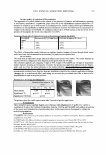
]. Cosmet. Sci.J 55, 189-205 (March/April 2004) Clinical effects of cosmetic vehicles on skin JOACHIM W. FLUHR and LUIGI RIGANO, Department of Dermatology and Allergology, Friedrich Schiller University, Jena, Germany U. W.F.), and ISPE Research Institute, Milan, Italy (L.R.). Accepted for publication January 26, 2004. INTRODUCTION Cosmetic vehicles play a central role in topical treatments in dermatology, with their protective, integrative, and problem-solving effects being of increasing interest. Differ ent therapeutic and physiologic functions of cosmetic vehicles are well recognized, and a review of such has recently been published (1). Research has shown that the compo sition of cosmetic vehicles is of great importance for the specific treatment of some skin diseases. However, the role of vehicles in drug delivery systems for different skin diseases has not yet been studied in detail. In this review a number of features of cosmetic vehicles will be presented, including vehicle composition, classification, role in thera peutics, and potential mechanisms of vehicle function, including their role(s) in epider mal barrier function and specific diseases. The use of the appropriate vehicle composition for the treatment of specific skin disorders has a significant impact on both the clinical outcome of treatment and, more-importantly, on the relapse-free period. Beneficial effects of an oil-in-water (o/w) moisturizing cream on the permeability barrier function in irritant and allergic contact dermatitis have been shown repeatedly (2). The chosen vehicle should no longer be regarded simply as a drug carrier, vehicle, or delivery system, but rather as an essential component of successful topical treatment. For example, a ceramide-dominant barrier repair lipid mixture in atopic dermatitis showed increased barrier repair and stratum corneum hydration (3). Furthermore, it has been shown that the use of fatty acid-rich emollients prevents the development of atopic eczema ( 4). Thus, it may be of importance to adapt type and composition of cosmetic vehicles either as adjuvant treatment or as the delivery system, according to the disease status. BASIC COSMETIC VEHICLE CLASSIFICATION Vehicles for dermatological and cosmetic uses can be divided into different classes according to their composition (Figure 1). However, the classification of commercially Address all correspondence to Joachim W. Fluhr. 189
Purchased for the exclusive use of nofirst nolast (unknown)
From: SCC Media Library & Resource Center (library.scconline.org)