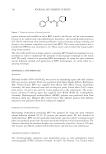
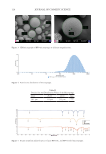
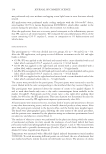
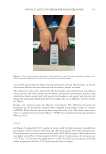
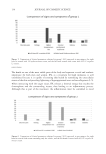
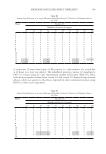
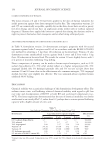
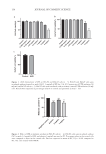
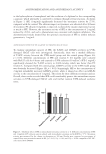
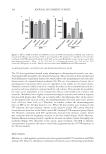
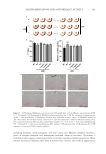
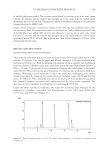
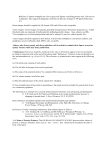
132 JOURNAL OF COSMETIC SCIENCE In G1-PA, the perilesional erythema was larger in 12 participants (40%), and this increase in diameter ranged from 1.2 to 1.4 mm. In 13 participants, there was no difference in the size of the erythema in both hands in 2 participants (6.6%), it was not possible to measure the erythema because it was very diffuse and not possible to delimit the surrounding halo. In two participants (6.6%), no erythema was noticed. In G1-H, the perilesional erythema was smaller than in G1-PA with a significant difference (p = 0.001) and with size of 1 mm in 25 participants. In two participants (6.6%), diffused erythema obstructed the measurement as it was not possible to delimit the surrounding halo while in two participants (6.6%), no erythema was evidenced. Edema was present and discrete in four participants (13.3%) of G1-PA and in three participants (10%) of G1-H. Blisters were present in three participants (10%) of G1-PA and four participants (13.3%) of G1-H. In this group, 24 participants (80%) reported no pain in either hand. In G2 (Figure 6), which compared 0.5% P. angulata extract L. with the vehicle, mild pain and pruritus were reported by nine (30%) and two (6.6%) G2-V participants, respectively. In G2-PA, no participants reported pain and pruritus. The temperature in 28 participants (93.3%) was higher in G2-V, and in 13 participants (43.3%), this difference was 1°C, thus being seen as significant (p = 0.000). In two participants, the temperature was the same in both hands. In G2-V, perilesional erythema was higher in 20 participants (66.6%) with a significant difference (p = 0.0001). In 12 participants (40%), this difference was 1 mm, while in 6 participants (20%) it was 2 mm in the same hand. In G2-PA, eight participants (26.6%) showed no difference, erythema could not be measured in one participant (3.3%), and the Figure 4. Measurement of the perilesional erythematous halo with a portable dermatoscope (Dermlite 3Gen®).

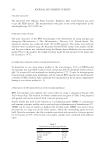
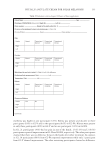
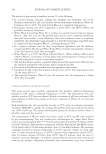
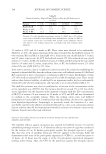
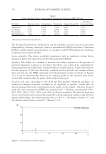
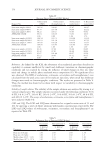
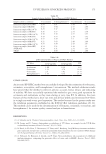
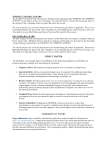
133 PHYSALIS ANGULATE CREAM FOR SOLAR MELANOSIS erythema was higher in one participant (3.3%). Edema was present and discrete in three participants (10%) in G2-V and in two participants (6.6%) in G2-PA. Blisters were present in only three participants (10%) in G2-V and in one participant (3.3%) in G2-PA. In G1, 21 participants (70%) had no pain in any of the hands 13 (43.4%) and 2 (6.6%) participants reported improvement in G1-H and G1-PA, respectively. The other participants claimed that there was no difference between the hands after either treatment. In contrast, in G2, 18 participants (60%) from G2-PA reported improvement while only 1 participant from G2-V showed improvement. The other remaining participants claimed no difference. Table I Evaluation criteria elapsed 48 hours of Laser application. Patient Name Age: _____________ Phototype (FITZPATRICK) Group color: Right (R): Left (L): Photo number Weight of the bottle after 48 h: R: Presence of premalignant lesions in dermatoscopy: ( ) Yes ( ) No IPL cut- Pain: Hands Absent Present and discreet Present and moderate Present and intense Right Left Pruritus: Hands Absent Present and discreet Present and moderate Present and intense Right Left Which hand do you feel is better? ( ) Right ( ) Left ( ) No difference Perilesional halo measurement: Right: ____________ Left: _____________ Temperature: Right: ____________ Left: _____________ Edema: Hands Absent Present and discreet Present and moderate Present and intense Right Left Presence of blisters: Hands Yes No Right Left Comments:
Purchased for the exclusive use of nofirst nolast (unknown)
From: SCC Media Library & Resource Center (library.scconline.org)