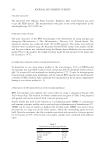
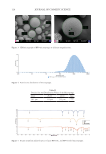
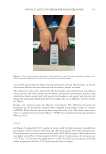
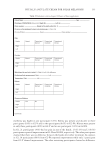
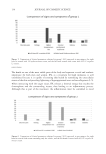
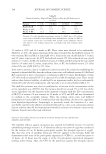
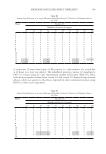
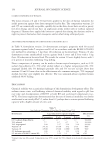
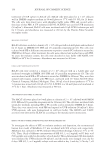
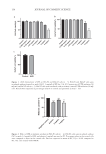
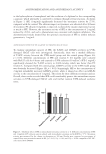
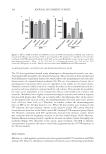
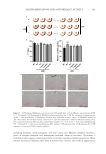
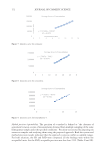
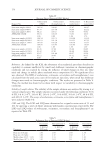
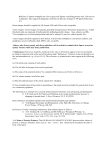
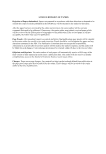
134 JOURNAL OF COSMETIC SCIENCE DISCUSSION The hands are one of the most visible parts of the body and represent a social and aesthetic importance for both men and women. IPL, as a treatment for hand melanosis, is well consolidated because it is capable of restoring skin health by remodeling the extracellular matrix of the skin and providing lightening of hyperpigmented areas and neocollagenesis (1–5). When interacting with the target tissue, IPL releases a thermal energy that reaches the chromophore and the surrounding tissues, thus leading to an inflammatory process. Although this is part of the treatment, the inflammation must be controlled to avoid Figure 6. Comparison of clinical parameters obtained in group 2 (G2) expressed in percentages: the right hand is treated with cream containing only the vehicle, and the left hand is treated with 0.5% P. angulata L. extract cream. Figure 5. Comparison of clinical parameters obtained in group 1 (G1) expressed in percentages: the right hand is treated with 1% hydrocortisone cream, and the left hand treated with cream with 0.5% P. angulata L. extract.

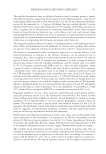
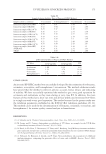
135 PHYSALIS ANGULATE CREAM FOR SOLAR MELANOSIS pain and complications such as persistent hyperemia, postinflammatory hyperchromia, and hypochromia (8). Controlling the postIPL inflammatory process can optimize the aesthetic results since the inflammatory modulators, such as prostaglandins E2 and interleukin-1, favor the formation of erythema and increased production of metalloproteinase enzymes (MMPs), which induce the degradation of cellular matrix proteins. MMPs are important enzymes in all phases of healing. However, when not properly modulated, these enzymes can impair the production of collagen and elastin, compromise the process of tissue regeneration, and cause treatment- opposite effects (23). In order to treat skin inflammation, especially after IPL application, hydrocortisone was the first topical glucocorticoid to show efficacy and has been widely used to provide comfort to patients. However, hydrocortisone use incurs unwanted side effects (24). As a result, anti- inflammatory substances of natural origin with minimal side effects have been studied frequently (22–25). Medicinal plants can produce several types of compounds through alterations in their natural habitat, secondary metabolism, and production of active principles (26–29). P. angulate has been indicated as an alternative treatment of the inflammatory process after IPL application this is due to its anti-inflammatory properties and lack of any apparent side effects (19–26). In addition, it has antinociceptive (pain relief) effects (19) this is observed in this study as none of the G2-PA and only 16.6% of the G1-PA participants reported pain. In a study, 0.5 mg of topical physalin E (extracted from aerial parts of P. angulate) was compared to a topical corticosteroid (0.5 mg dexamethasone) in the treatment of chronic and acute dermatitis in the ears of rats. Physalin E reduced edema in 39% of animals, reduced tumor necrosis factor-α, and inhibited myeloperoxidase. Although not comparable to dexamethasone, physalin E showed a potential anti-inflammatory effect (15). Similarly, in the present study, only four participants (13.3%) of G1-PA had edema compared to three participants (10%) who presented with edema in the hydrocortisone group. In another study, physalin B, C, and G, purified from P. angulate extract, reduced nitric oxide production through macrophages that were stimulated by lipopolysaccharides and interferon-γ. Physalin B produced lower levels of TNF-α, interleukin-6, and interleukin-12 in.stimulated macrophages. This inhibition caused by physalin B was not affected by the antiglucocorticoid, RU-486 ([4-dimethylamino]phenyl-17beta-hydroxy- 17-[1-propynyl]estra-4,9-dien-3-one), suggesting that physalin B acts using a different mechanism than corticosteroids. Physalin B, F, and G have also shown in vitro efficacy in preventing transplant rejection (30). The alcoholic extract of P. angulate demonstrated the ability to decrease the production of inflammatory cytokines, interleukin-1 alpha and interleukin-6, histamine, and prostaglandin E2 in an in vitro study. These molecules lead to the emergence of symptoms that characterize acute phase systemic responses including temperature elevation (31). Moreover, the alcoholic extract of P. angulate can increase the production of interleukin-10, which is an important anti-inflammatory cytokine (20) that may be related to the absence of temperature elevation in the G2-PA group. Moreover, one of the clinical signs of the acute inflammatory response is characterized by erythema, which was absent in G2-PA.
Purchased for the exclusive use of nofirst nolast (unknown)
From: SCC Media Library & Resource Center (library.scconline.org)