114 J. Cosmet. Sci., 73, 114–125 (May/June 2022) Address all correspondence to Sinem Yaprak Karavana, sinemyaprak@hotmail.com A New Alternative for Acne Treatment: Plaster Containing Benzoyl Peroxide–Loaded Microsponges NIHAL ATABAY, AYŞE MERIH SARIISIK, SINEM YAPRAK KARAVANA AND SEDA RENCBER Department of Textile Engineering, Faculty of Engineering, Dokuz Eylul University, Izmir, Turkey (N.A., A.M.S.) Department of Pharmaceutical Technology, Faculty of Pharmacy, Ege University, Izmir, Turkey (S.Y.K.) Department of Pharmaceutical Technology, Faculty of Pharmacy, Izmir Katip Celebi University, Izmir, Turkey (S.R.) 2022 Accepted for publication May 27, 2021. Synopsis Acne vulgaris is the most common dermatologic disorder, affecting approximately 85% of individuals, especially during adolescence. In this study, a plaster design was developed to support acne vulgaris treatment by using microsponge technology. To achieve this purpose, the microsponges containing benzoyl peroxide (BPO) were prepared by the quasi emulsion solvent diffusion method, and the obtained microparticles were examined in terms of surface morphology, particle size distribution, and encapsulation efficiency (EE). Fourier transform infrared and Brunauer-Emmett-Teller analyses were also performed. The microsponges were spherical in shape and around 110 µm in diameter. The EE and drug loading from the microsponge powder were found to be 60.879% and 38.929%, respectively. The optimum microsponge formulation was selected and applied onto textile material with a spraying technique by using acrylic binder and hydroxypropyl methylcellulose. The presence of BPO-loaded microsponges on the fabric surface was proved by scanning electron microscopy analyses. The EE of BPO from the fabric samples was found to be 84.193%. The release properties of microsponges and treated textile material were also investigated. No burst effect has been observed, indicating that BPO was homogeneously dispersed in the microsponge. With the in vitro BPO release from the fabric sample after 3 hours, the release rate of formulation was found to be very low (approximately 10%). This study presents a new approach to the use of microsponges in the textile field. INTRODUCTION Acne vulgaris is a common skin disorder. It is a chronic inflammatory disease of the pilosebaceous unit (1,2). Acne represents obstruction and inflammation of the sebaceous follicle (Figure 1). The normal function of sebaceous glands is to produce and secrete sebum, a group of complex oils including triglycerides and fatty acid breakdown products, wax esters, squalene, and cholesterol esters. Increased sebum excretion, alteration of lipid composition, and the oxidant/antioxidant ratio characteristic of the skin surface lipids are

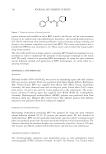
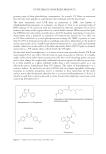
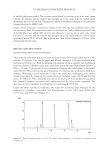
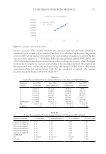
115 A New Alternative for Acne Treatment major concurrent events associated with the development of acne. If sebum interferes with the process of follicular keratinisation in the pilosebaceous unit, pore blockage may occur, contributing to lesion formation and acne (1,3,4). Acne can cause social and psychological problems as well as physical problems, especially during adolescence (5,6). Topical treatments are widely used for mild to moderate acne (7). In conventional dosage forms (i.e., lotion, cream, gel, solution, and emollient), topical drugs contain high amounts of active ingredients due to their short-term efficacy this is a reason for dose-related side effects. The most common side effects are dryness and irritation of the skin, eyes, mouth, lips, and nose. Other side effects include nosebleeds, achiness, itching, diminished night vision, sun sensitivity, and changes in triglyceride levels and liver function (2,8). Novel drug delivery systems present many advantages over conventional methods— such as reducing the dosage, toxicity, and side effects—along with protecting the active molecule (9,10). There are different advanced strategies—such as liposomes, niosomes, aspasomes, microsponges, microemulsions, hydrogels, and solid lipid nanoparticles—to enhance the topical administration of antiacne agents (11,12). Microsponges are one of the modern drug carrier systems that are widely used topically in pharmaceutical and cosmetic industries. They are polymeric-based microspheres with porous surfaces. Their sizes vary between 5 and 300 µm. A 25 µm microsponge has around 25,000 pores. Surface pores allow the exchange of materials from the external media, while not allowing bacteria to penetrate due to small pore size. This feature keeps them from bacterial contamination. They are biologically inert systems with a good stability of pH 1–11 and temperatures of up to 130 °C. The particles stay on the skin surface due to their large size. While they release the drug, they also absorb skin secretions (13–17). Benzoyl peroxide (BPO), an oxidizing agent, consists of two benzoyl groups linked by a peroxide group (19,20). Stereochemistry of BPO is seen in Figure 2. It is soluble in Figure 1. Normal sebaceous follicle (left) and comedo (right). Reproduced with permission from reference 18. Copyright 2007 Wiley.
Purchased for the exclusive use of nofirst nolast (unknown)
From: SCC Media Library & Resource Center (library.scconline.org)