156 JOURNAL OF COSMETIC SCIENCE Cytotoxicity of UVB exposure to HaCaT cells. HaCaT cells were placed at 2 × 10⁵ cells per well in DMEM complete medium in 96-well plates at 37°C with 5% CO 2 for 24 hours. The cells were then rinsed twice with phosphate buffer saline (PBS) and covered with a thin layer of that PBS. A UV radiometer (Z03-II, SCIENT) was used for UVB irradiation (50 mJ/cm2). Afterward, HaCaT cells were incubated with 10 µL CCK-8 solution per well for 2.5 hours, and absorbance was measured at 450 nm by the Thermo Fisher Scientific microplate reader. MELANIN CONTENT B16-F0 cells were seeded at a density of 2 × 10⁴ cells per well in 6-well plates and incubated for 24 hours in DMEM (10% FBS and 1% penicillin streptomycin) (14). The cells were cultured with SFE at different concentrations or positive control (PC) arbutin in serum-free DMEM for 48 hours. After treatment, the cells were collected and washed twice with PBS. To assess the melanin content, the cells were dissolved in lysis buffer (1M NaOH, 10% DMSO) at 80°C for 30 minutes. Absorbance was measured at 405 nm. CELLULAR TYROSINASE ACTIVITY B16-F0 cells were seeded at a density of 2 × 10⁴ cells per well in a 6-well plate and incubated overnight in DMEM (10% FBS and 1% penicillin streptomycin) (15). The cells were incubated with SFE or PC arbutin in serum-free DMEM for 48 hours. They were then isolated with trypsin, washed with PBS twice, and lysed with 1% Triton X-100® (Dow Chemical Company, Midland, Michigan). Then, 100 µL of each lysate (preheat to 37°C for 5 minutes) was mixed with 100 µL of 0.25% L-DOPA in a 96-well plate and incubated at 37°C for 1 hour. Absorbance was measured at 490 nm. ANTIOXIDANT ENZYMES ACTIVITIES The HaCaT cells were placed in 6-well plates at a density of 2 × 10⁵ cells/well with DMEM (10% FBS and 1% penicillin streptomycin) for 24 hours (16). The cells were incubated with serum-free medium, including SFE or PC ascorbic acid in serum-free DMEM for 6 hours. Then, they were rinsed twice with PBS and exposed to UVB radiation (50 mJ/cm2). After UVB exposure, cells were homogenized in cold lysis buffer. The GSH-Px and T-AOC activities were detected by ELISA kit according to the manufacturer’s instructions. EFFECT OF SFE IN THREE-DIMENSIONAL SKIN MODEL (MELAKUTIS) To investigate the effects of SFE on melanin synthesis and deposition, the reconstructed human skin model of MelaKutis (17) was incubated with SFE or kojic acid, respectively. MelaKutis was cultured in M-TA medium (Biocell Biotechnology, China) at 37°C in 5% CO 2 . Then, 10 µL of different concentrations of SFE (0.5, 1, or 2 mg/mL) or PC kojic acid (500 µg/mL) were added on the surface of each model. Three-dimensional (3D) skin models were irradiated by UVB radiation (50 mJ/cm2), and the media were changed every day for 6 days. SFE (0.5, 1, or 2 mg/mL) or kojic acid was added at day 3 and day 5. On day 7, all

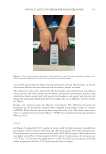
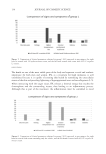
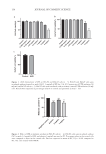
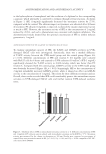
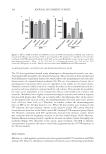
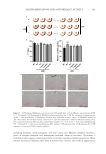
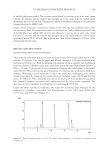
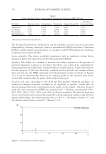
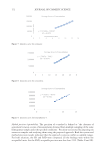
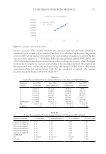
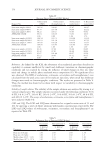
157 ANTIPIGMENTATION AND ANTIOXIDANT ACTIVITY skin models were collected and subjected to appearance observation, brightness, melanin content, and melanin distribution. Melanin content. The collected models were dissolved in 1M NaOH containing 10% DMSO at 80°C for 40 minutes. The absorbance of supernatant was measured at 405 nm. Measurement of skin color. The pigmentation intensities in 3D skin models were measured by a colorimeter (DSM II, Denmark) and were expressed as the L* values. Fontana–Masson staining. The 3D skin models were fixed with 10% buffered formalin and embedded in paraffin. Melanin was visualized using Fontana–Masson staining with an eosin counterstain according to the manufacturer’s instructions. STATISTICAL ANALYSIS Statistically significant differences between two groups were determined by a student’s t-test, where p 0.05 was considered statistically significant. All analyses were performed using GraphPad Prism 9.0 (GraphPad Software LLC, San Diego), with the experimental results expressed as mean ± SD (n ≥ 3). RESULTS CELL VIABILITY B16-F0 melanoma cells were used to evaluate the inhibitory effect of SFE on melanogenesis, and HaCaT cells were applied to access the antioxidant activity of SFE. The cytotoxicity of either the medicine or cosmetic agent is of chief importance when used. The effects of SFE on the viability of B16-F0 and HaCaT cells were determined by CCK-8 assay. As shown in Figure 1A-B, SFE had no significant cytotoxic effect on B16-F0 and HaCaT cells at the concentrations from 0.0625 to 1 mg/mL. SFE at 2 mg/mL was slightly toxic to B16-F0 and HaCaT cells, but the toxicity was within acceptable limits. UV irradiation (50 mJ/cm2) did not cause obvious damage to HaCaT cells under this condition, as shown in Figure 1C. ANTIMELANOGENESIS EFFECT OF SFE IN B16-F0 CELLS Murine B16-F0 melanoma cells were used to investigate the inhibitory effect of SFE on melanogenesis. Treatment with SFE (1 mg/mL) for 48 hours significantly decreased the melanin content of B16-F0 cells by 25.5%, compared with the control group without cytotoxicity, while PC arbutin (1 mg/mL) reduced the melanin content by 23.3% (Figure 2). Unexpectedly, the reduction of melanin content of SFE (2 mg/mL) only reached 9.9%, which was less effective than SFE at a low concentration. These results indicated that SFE (1 mg/ mL) was relatively safe and more effective than PC arbutin in inhibiting melanin production. ANTITYROSINASE ACTIVITY OF SFE IN B16-F0 CELLS To clarify the mechanism underlying the observed SFE-induced depigmentation, the expression of melanogenesis-related tyrosinase was determined. This enzyme is involved
Purchased for the exclusive use of nofirst nolast (unknown)
From: SCC Media Library & Resource Center (library.scconline.org)