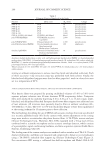
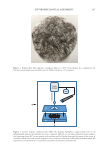
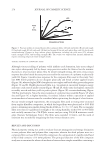
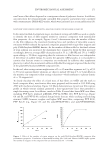
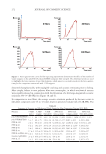
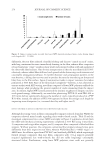
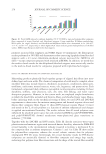
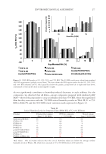
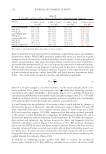
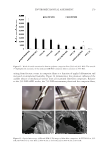
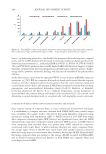
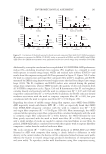
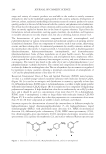
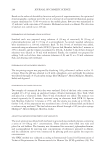
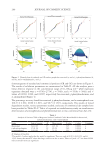
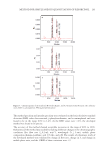
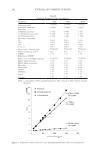
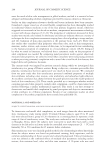
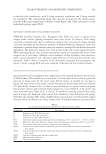
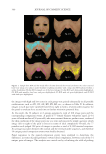
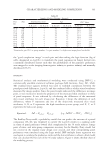
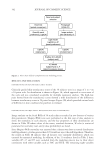
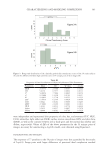
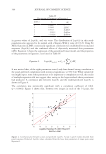
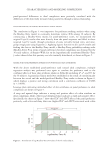
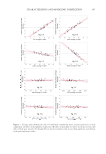
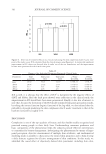
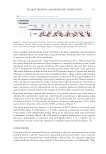
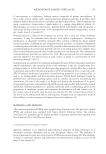
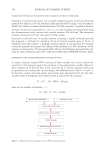
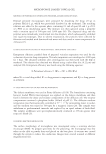
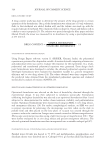
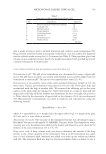
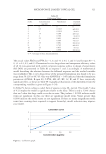
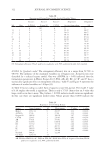
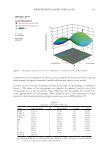
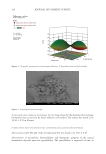
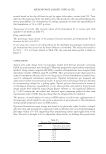
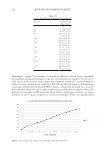
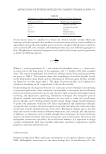
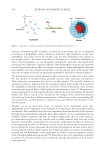
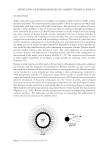
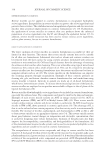
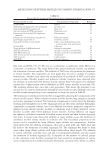
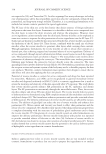
276 JOURNAL OF COSMETIC SCIENCE promotes increased film toughness and #AED. Figure 10 summarizes the film-rupture results performed at 50% RH and demonstrates that extracting lipophiles from bleached snippets with a 4:1 (w/w) chloroform–methanol solvent increased the #AED for all films—except composites prepared with imidized p(IB/MA). In addition, we noted that the work-to-break results for the delipidated-bleached snippets were statistically similar to the work-to-break results for composites prepared with triple-bleached snippets. EFFECT OF AMBIENT MOISTURE ON COMPOSITE FILM FAILURE Hairstyling products physically bind together groups of aligned hair fibers into user- defined spot and seam welds. The chemical composition of welds may be complex, where interfiber films may include fixatives, thickeners, neutralizers, conditioners, plasticizers, emollients, surfactants, natural extracts, waxes, oils, fragrances, and preservatives. Each formulated component likely influences perceptible tactile properties including 24-hour durability, stiffness, style plasticity, tack, dry time, film flaking, and water vapor absorption properties. However, in the current work, we employed simple formulations in which the dried films included only fixative, fibers, and absorbed water vapor. Hence, before initiating work on the mechanical testing of films, we used DVS and DSC-RH experiments to characterize the moisture management and thermal response of neat and fixative-fiber composite films. Figure 11 shows DVS moisture regains (Figure 11 inset) and trends in the T g of each polymer as a function of ambient temperature and changes in applied environmental humidity. The results indicate that all tested polymers were influenced by absorbed water vapor, but only imidized p(IB/MA), poly(VP/DMAPMA), and poly(VP/MAPTAC) showed steady-state water-plasticized glass transitions at isohumes ≥75% RH. Together with the DSC-RH and DVS results, Table III directly associates water vapor plasticization and moisture regain with increased fixative ductility, wherein the DMA-RH critical humidity is the environmental isohume required to facilitate a mechanical T g in the composite film at ambient temperature. Columns 1 and 3 in Table III show results for polymer-fiber composites, whereas the second column contains data for polymer- impregnated PET felt strips. Interestingly, the critical humidity results for PET-fixative composites are statistically identical to film-fiber composite and omega loop results, indicating that polymer–hair fiber interactions and the shape of the treated fiber assembly Figure 10. Total #AED released at ambient humidity (50 ± 5% RH) by ruptured polymer-fiber composite films comprised of virgin, bleached, and delipidated snippets. Using single-fiber Wilhelmy methodology, DCA values for virgin, bleached, and bleached-and-delipidated fibers were determined to be 100 ± 6°, 71 ± 4°, and 67 ± 4°, respectively, in which higher DCA values indicate greater hydrophobicity of the fiber surface. EDB=virgin European dark brown hair snippets.

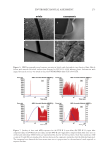
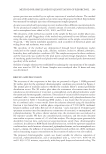
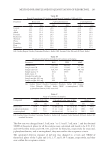
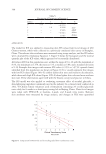
277 Enviromechanical Assessment do not significantly contribute to humidity-induced decreases in style stiffness. For the composites, we observed that all films—except composites prepared with imidized p(IB/ MA)—showed the propensity to creep at isohumes less than 75% RH, where the augmented film ductility associates with the 75% RH critical humidity results in Table III, E’ at 75% RH in Table IV, and the 90% RH tensile extension work expressed in Figure 12. Table III Critical Humidity Levels for Composite Films (DMA-RH 26°C 0.5% RH/min) Polymer Polymer-fiber snippet film (±1.0% RH) PET felt composite (±1.2% RH) Treated omega loop (±0.8% RH) Imidized p(IB/MA) 84 84 83 PVP K-120 72 68 70 PVP K-90 72 69 71 PVP K-60 71 69 70 PVP K-30 68 68 66 poly(VP/DMAPMA) 66 66 69 poly(VP/MAPTAC) 63 63 64 PVP K-15 55a 57 59 PVP K-30/PEG-400 51 51 50 a Red values =The red values indicate that the critical humidity values are below the average outdoor humidity levels in Wayne, NJ, which were assessed at 59 ± 8% RH between 2010 and 2012. Figure 11. DSC-RH results at 0%, 25%, 50%, and 75% RH. The 0% RH results were taken from standard dry DSC experiments (pinhole, second heat). The inset shows the DVS regain results for the 0%, 25%, 50%, and 75% RH isohumes (26°C). The legend key below the graphs, going from left to right and then down, corresponds to bars in the chart on moving left to right.
Purchased for the exclusive use of nofirst nolast (unknown)
From: SCC Media Library & Resource Center (library.scconline.org)