12 JOURNAL OF COSMETIC SCIENCE
these partners are then used to create formulations that deliver on consumer expectations
for high–performance benefits and claims.
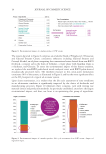
One such partner is Nisarga Biotech in Satara, India, which produces Eclipta prostrata Leaf
extract. The Certified Organic Eclipta prostrata Leaves in the extract are grown on farms operated
by Nisarga in Umbari and Devrashtre India, and then powerful phytochemicals are extracted
utilizing supercritical CO
2 extraction. The E prostrata Leaf extract is then manufactured into
the Invati Ultra Advanced franchise at the AVEDA™ headquarters at Blaine, MN.
Nisarga Biotech has demonstrated its commitments to corporate social responsibility
policies and initiatives, including ethical sourcing andlabor practices, safe working
conditions, fair wages, commitment to social and environmental policies and programs,
local impact initiatives, and respect for consumers. Nisarga’s particular area of focus is
organic farming practices and education. They hold seminars for farmers teaching about
conversion to organic farming. For farmers willing to be part of its farmer group (where
applicable), Nisarga pays costs for organic certification and provides ongoing educational
support to help make conversion successful. Farmers in farmer groups do not have binding
agreements with Nisarga but receive a premium to be incentivized to deliver to Nisarga.6
Traceability matters when it comes to botanical ingredients. AVEDA™’s longstanding
relationships with trusted suppliers like Nisarga Biotech helps drive key traceability and
responsible sourcing initiatives.
CONCLUSION
Sustainability can be pursued at many different places during a product’s development.
When ELC and AVEDA™ work closely with raw material producers, sustainability and
economic benefits are created for everyone involved. By pushing the creativity of ELC
scientists, new natural raw material combinations are found to replace synthetic material
attributes. Third party accreditation proves to consumers that ELC and AVEDA™ have
a continuing commitment to sustainability. Leveraging the expertise of its exceptional
employees, ELC is able to overcome obstacles like replacing synthetic raw materials,
sourcing raw materials in more sustainable ways, and providing consumer confidence to its
commitment to sustainability.
REFERENCES
(1) The Estée Lauder Companies Inc. Sustainability. https://www.elcompanies.com/en/our-impact/sustainability.
Accessed July 19, 2024.
(2) Kedwards T, Sasik C, Angerhofer C, et al. The Art, Design and Science of Product Sustainability: A
Brand Case Study. IFSCC Magazine. 2022 25(4):239–247. https://ifscc.org/magazines/volume-25-no-4/.
Accessed July 14, 2024.
(3) The Corporate Standard of Compassion for Animals (“The Standard”). https://www.leapingbunny.org/
about/corporate-standard-compassion-animals-standard. Accessed July 14, 2024.
(4) Aveda Corporation. https://www.bcorporation.net/en-us/find-a-b-corp/company/aveda-corporation/.
Accessed July 17, 2024.
(5) Harkness M, Bohen III J, Guertin S, et al, inventor The Estee Lauder Companies Inc., assignee. Method
for Forming a Natural Hair Conditioning Composition. International Publication No. WO 2020/210778
A1. October 15, 2020.
(6) Sonark’s Nisarga Herbs. https://www.nisargaherbs.com/pages/explore. Accessed July 17, 2024.
these partners are then used to create formulations that deliver on consumer expectations
for high–performance benefits and claims.
One such partner is Nisarga Biotech in Satara, India, which produces Eclipta prostrata Leaf
extract. The Certified Organic Eclipta prostrata Leaves in the extract are grown on farms operated
by Nisarga in Umbari and Devrashtre India, and then powerful phytochemicals are extracted
utilizing supercritical CO
2 extraction. The E prostrata Leaf extract is then manufactured into
the Invati Ultra Advanced franchise at the AVEDA™ headquarters at Blaine, MN.
Nisarga Biotech has demonstrated its commitments to corporate social responsibility
policies and initiatives, including ethical sourcing andlabor practices, safe working
conditions, fair wages, commitment to social and environmental policies and programs,
local impact initiatives, and respect for consumers. Nisarga’s particular area of focus is
organic farming practices and education. They hold seminars for farmers teaching about
conversion to organic farming. For farmers willing to be part of its farmer group (where
applicable), Nisarga pays costs for organic certification and provides ongoing educational
support to help make conversion successful. Farmers in farmer groups do not have binding
agreements with Nisarga but receive a premium to be incentivized to deliver to Nisarga.6
Traceability matters when it comes to botanical ingredients. AVEDA™’s longstanding
relationships with trusted suppliers like Nisarga Biotech helps drive key traceability and
responsible sourcing initiatives.
CONCLUSION
Sustainability can be pursued at many different places during a product’s development.
When ELC and AVEDA™ work closely with raw material producers, sustainability and
economic benefits are created for everyone involved. By pushing the creativity of ELC
scientists, new natural raw material combinations are found to replace synthetic material
attributes. Third party accreditation proves to consumers that ELC and AVEDA™ have
a continuing commitment to sustainability. Leveraging the expertise of its exceptional
employees, ELC is able to overcome obstacles like replacing synthetic raw materials,
sourcing raw materials in more sustainable ways, and providing consumer confidence to its
commitment to sustainability.
REFERENCES
(1) The Estée Lauder Companies Inc. Sustainability. https://www.elcompanies.com/en/our-impact/sustainability.
Accessed July 19, 2024.
(2) Kedwards T, Sasik C, Angerhofer C, et al. The Art, Design and Science of Product Sustainability: A
Brand Case Study. IFSCC Magazine. 2022 25(4):239–247. https://ifscc.org/magazines/volume-25-no-4/.
Accessed July 14, 2024.
(3) The Corporate Standard of Compassion for Animals (“The Standard”). https://www.leapingbunny.org/
about/corporate-standard-compassion-animals-standard. Accessed July 14, 2024.
(4) Aveda Corporation. https://www.bcorporation.net/en-us/find-a-b-corp/company/aveda-corporation/.
Accessed July 17, 2024.
(5) Harkness M, Bohen III J, Guertin S, et al, inventor The Estee Lauder Companies Inc., assignee. Method
for Forming a Natural Hair Conditioning Composition. International Publication No. WO 2020/210778
A1. October 15, 2020.
(6) Sonark’s Nisarga Herbs. https://www.nisargaherbs.com/pages/explore. Accessed July 17, 2024.