30 JOURNAL OF COSMETIC SCIENCE
regulation (EU) 2024/1328, which amends the REACH (Registration, Evaluation,
Authorization and Restriction of Chemicals) Regulation. The goal of the restrictions is to
reduce the amount of these substances released into the environment and their impact on
ecosystems.
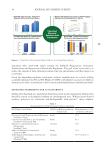
Given the impending regulatory restrictions, cosmetic manufacturers are actively seeking
acceptable substitutes for D5 and D6. Blends of CGSAC with diheptyl succinate are offered as
alternatives for these cyclosiloxanes as well as linear polydimethylsiloxane (dimethicone) fluids.
DESIGNING INGREDIENTS FOR SUSTAINABILITY
Ideally, after their final use, ingredients should not persist in the environment. Rather, they
should be reused or decomposed without an environmental trace. Whereas petro-derived
aromatic polyesters are essentially non-biodegradable solid plastics,11 many aliphatic
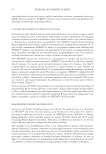
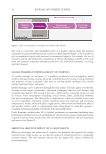
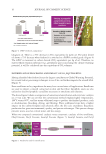
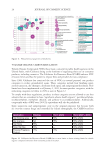
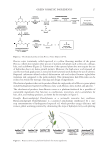
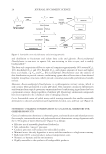
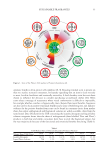
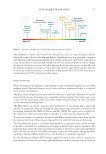
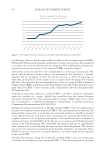
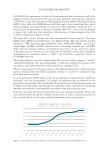
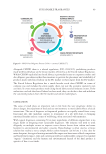
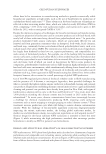
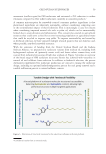
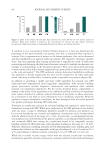
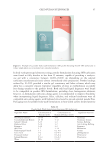
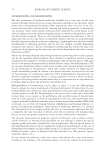
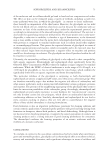
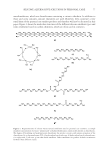
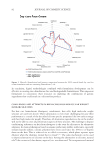
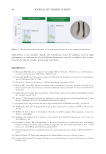
Figure 6. Versatility of the Capryloyl Glycerin/Sebacic Acid Copolymer platform.
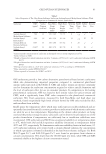
Table I
Biodegradabiility of Polyester-based Cosmetic Ingredients.
INCI Name (Trade Name) OECD 301B Biodegradability
Classification
Biodegradation (%CO2
evolution at 28 days)
Polyester-10 (and) Propylene Glycol Dibenzoate
(LexFilm™ Spray)
Ready 99.9
Capryloyl Glycerin/Sebacic Acid Copolymer
(LexFilm™ Sun Natural MB)
Ready 81.5
Polyester-7 (and) Neopentyl Glycol
Diheptanoate
(LexFilm™ Sun)
Ultimate 79.9
Adipic Acid/Diglycol Crosspolymer
(Lexorex™ MB)
Ready 76.4
Trimethylpentanediol/Adipic Acid/Glycerin
Crosspolymer
(WetFilm™ MB)
Ultimate 66.5* (at Day 37)
Q1
regulation (EU) 2024/1328, which amends the REACH (Registration, Evaluation,
Authorization and Restriction of Chemicals) Regulation. The goal of the restrictions is to
reduce the amount of these substances released into the environment and their impact on
ecosystems.
Given the impending regulatory restrictions, cosmetic manufacturers are actively seeking
acceptable substitutes for D5 and D6. Blends of CGSAC with diheptyl succinate are offered as
alternatives for these cyclosiloxanes as well as linear polydimethylsiloxane (dimethicone) fluids.
DESIGNING INGREDIENTS FOR SUSTAINABILITY
Ideally, after their final use, ingredients should not persist in the environment. Rather, they
should be reused or decomposed without an environmental trace. Whereas petro-derived
aromatic polyesters are essentially non-biodegradable solid plastics,11 many aliphatic
Figure 6. Versatility of the Capryloyl Glycerin/Sebacic Acid Copolymer platform.
Table I
Biodegradabiility of Polyester-based Cosmetic Ingredients.
INCI Name (Trade Name) OECD 301B Biodegradability
Classification
Biodegradation (%CO2
evolution at 28 days)
Polyester-10 (and) Propylene Glycol Dibenzoate
(LexFilm™ Spray)
Ready 99.9
Capryloyl Glycerin/Sebacic Acid Copolymer
(LexFilm™ Sun Natural MB)
Ready 81.5
Polyester-7 (and) Neopentyl Glycol
Diheptanoate
(LexFilm™ Sun)
Ultimate 79.9
Adipic Acid/Diglycol Crosspolymer
(Lexorex™ MB)
Ready 76.4
Trimethylpentanediol/Adipic Acid/Glycerin
Crosspolymer
(WetFilm™ MB)
Ultimate 66.5* (at Day 37)
Q1