28 JOURNAL OF COSMETIC SCIENCE
and distillation to fractionate and isolate fatty acids and glycerin. Brassicamidopropyl
Dimethylamine is non-toxic to aquatic life, non-irritating to skin or eyes, and is readily
biodegradable.6
The fatty acyl composition of Brassica napus oil comprises approximately 40% stearoyl (C
18 ),
10% Arachidoyl (C
20 ),and 45% Benehyl (C
22 ),with minor amounts of lower and higher
fatty acyl chains, e.g. C
16 and C
24 .Brassicamidopropyl Dimethylamine uses the entirety of
this distribution to provide cationic conditioning agents that self-associate to form desired
lamellar mesophase structures which provide consumer-perceivable performance benefits
on hair.
Moreover, Brassicamidopropyl Dimethylamine is a pH-responsive tertiary amine, which is
only cationic when protonated at acidic pH values. This transient cationicity differentiates
amidoamines from typical quaternary ammonium-based conditioning ingredients that bear
a permanent cationic charge regardless of ambient pH. Quaternary ammonium compounds
have been reported to be a chemical class of emerging concern. 7
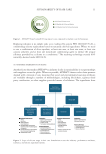
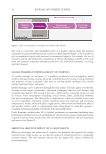
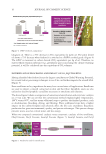
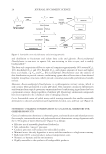
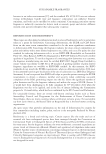
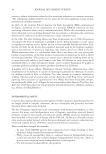
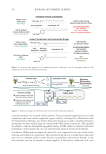
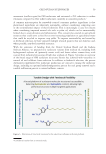
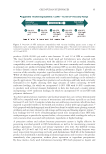
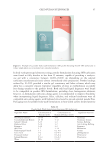
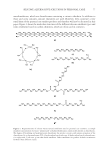
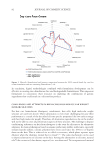
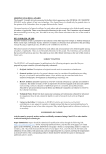
Castor. Sustainable castor oil yields many useful starting materials that enable sustainable
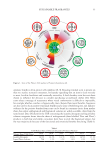
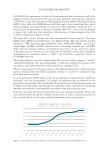
alternatives to silicones and petro-based ingredients for skin, sun, and hair care (Figure 4).
SYNTHESIS: UTILIZING CONDENSATION AS A CLASSICAL CHEMISTRY FOR
GREENER PRODUCTS
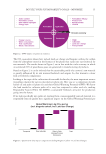
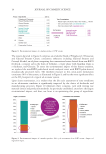
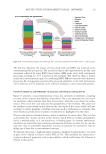
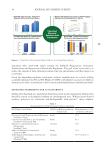
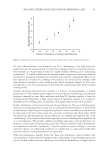
Classical condensation chemistry is inherently green, and esterification and related processes
(for example, transesterification and polyesterification) demonstrate strong alignment with
the 12 Principles of Green Chemistry8 (Figure 5) as follows:
• Effective use of renewable plant-based feedstocks.
• Safe, solvent-free “one pot” processes.
• Catalytic processes: self-catalyzed or with added catalyst.
• Minimal waste: the only byproduct is water, and this translates to a high atom economy.
• Bulk form (100% active) products reduce transportation costs.
• Nontoxic to humans and the environment.
• Highly amenable to the synthesis of biodegradable products.
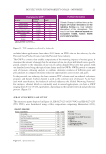
Figure 4. Sustainable castor oil yields many useful starting materials.
and distillation to fractionate and isolate fatty acids and glycerin. Brassicamidopropyl
Dimethylamine is non-toxic to aquatic life, non-irritating to skin or eyes, and is readily
biodegradable.6
The fatty acyl composition of Brassica napus oil comprises approximately 40% stearoyl (C
18 ),
10% Arachidoyl (C
20 ),and 45% Benehyl (C
22 ),with minor amounts of lower and higher
fatty acyl chains, e.g. C
16 and C
24 .Brassicamidopropyl Dimethylamine uses the entirety of
this distribution to provide cationic conditioning agents that self-associate to form desired
lamellar mesophase structures which provide consumer-perceivable performance benefits
on hair.
Moreover, Brassicamidopropyl Dimethylamine is a pH-responsive tertiary amine, which is
only cationic when protonated at acidic pH values. This transient cationicity differentiates
amidoamines from typical quaternary ammonium-based conditioning ingredients that bear
a permanent cationic charge regardless of ambient pH. Quaternary ammonium compounds
have been reported to be a chemical class of emerging concern. 7
Castor. Sustainable castor oil yields many useful starting materials that enable sustainable
alternatives to silicones and petro-based ingredients for skin, sun, and hair care (Figure 4).
SYNTHESIS: UTILIZING CONDENSATION AS A CLASSICAL CHEMISTRY FOR
GREENER PRODUCTS
Classical condensation chemistry is inherently green, and esterification and related processes
(for example, transesterification and polyesterification) demonstrate strong alignment with
the 12 Principles of Green Chemistry8 (Figure 5) as follows:
• Effective use of renewable plant-based feedstocks.
• Safe, solvent-free “one pot” processes.
• Catalytic processes: self-catalyzed or with added catalyst.
• Minimal waste: the only byproduct is water, and this translates to a high atom economy.
• Bulk form (100% active) products reduce transportation costs.
• Nontoxic to humans and the environment.
• Highly amenable to the synthesis of biodegradable products.
Figure 4. Sustainable castor oil yields many useful starting materials.