33 Sustainable Fragrances
ultimate benefit is often greater self-confidence [8, 9]. Ensuring residual scent is present on
skin or a surface reassures consumers, for laundry signalling that an item is clean or ready
to wear, for skin cleanliness and eventually sensuality. A fresh laundry scent has even been
shown to influence the decision to consider purchasing second-hand clothes [10]. Often
scent relays a message of reassurance where visual confirmation is difficult or impossible,
for example whether a surface is hygienically clean. Beyond functional benefits, fragrances
are also used to elicit positive emotional benefits and a sense of well-being [11, 12]. Indirect
evidence for the positive benefits from scent can be found in consumer choice from market
share data where unfragranced and fragranced variants are widely available, often from the
same brand. Data (Nielsen) for the USA concerning the laundry detergent and liquid fabric
softener categories shows that the share of unfragranced (often labelled “Free and Clear”)
products is both low and stable consumers don’t have to pick the fragranced option, but
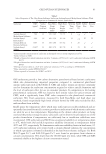
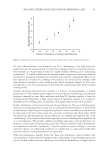
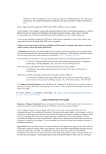
the vast majority do because of the functional and emotional benefits they bring (Table I).
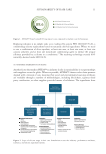
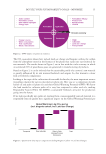
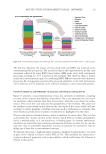
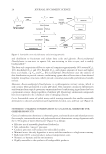
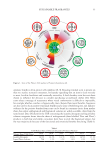
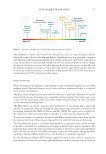
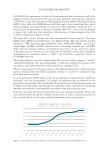
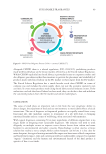
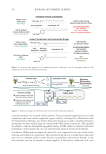
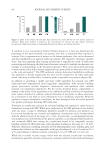
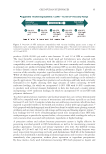
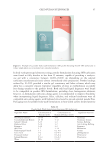
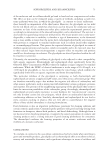
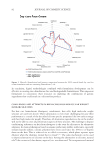
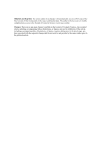
Figure 1. State of the Planet 2024 update to Planetary boundaries [2].
Table I
USA Market Share of Unscented Laundry Products (Nielsen)
Volume Share USA (Units) 2019 2020 2021 2022 2023 2024
Laundry Detergent 14.0% 14.3% 14.7% 15.2% 14.5% 13.1%
Liquid Fabric Softener NA 3.5% 3.5% 3.6% 3.9% 4.0%
ultimate benefit is often greater self-confidence [8, 9]. Ensuring residual scent is present on
skin or a surface reassures consumers, for laundry signalling that an item is clean or ready
to wear, for skin cleanliness and eventually sensuality. A fresh laundry scent has even been
shown to influence the decision to consider purchasing second-hand clothes [10]. Often
scent relays a message of reassurance where visual confirmation is difficult or impossible,
for example whether a surface is hygienically clean. Beyond functional benefits, fragrances
are also used to elicit positive emotional benefits and a sense of well-being [11, 12]. Indirect
evidence for the positive benefits from scent can be found in consumer choice from market
share data where unfragranced and fragranced variants are widely available, often from the
same brand. Data (Nielsen) for the USA concerning the laundry detergent and liquid fabric
softener categories shows that the share of unfragranced (often labelled “Free and Clear”)
products is both low and stable consumers don’t have to pick the fragranced option, but
the vast majority do because of the functional and emotional benefits they bring (Table I).
Figure 1. State of the Planet 2024 update to Planetary boundaries [2].
Table I
USA Market Share of Unscented Laundry Products (Nielsen)
Volume Share USA (Units) 2019 2020 2021 2022 2023 2024
Laundry Detergent 14.0% 14.3% 14.7% 15.2% 14.5% 13.1%
Liquid Fabric Softener NA 3.5% 3.5% 3.6% 3.9% 4.0%