35 Sustainable Fragrances
Whilst Europe is often seen as the leading the regulatory agenda in this area it is not alone,
and similar concerns and legislation either has or is being considered for other regions, for
example the Lacey Act (16 U.S.C. §§ 3371-3378) and California Proposition 65 (CA Prop
65 -Safe Drinking Water and Toxic Enforcement Act) in the USA.
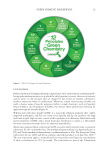
In this article, seven major axes that are considered highly relevant to ensuring sustainable
fragrance development for the future will be reviewed, and the approximate linkage
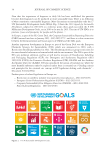
between the SDGs, CSRD standards and other EU legislation is as follows:
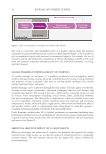
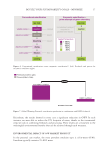
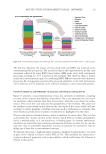
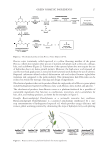
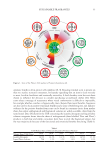
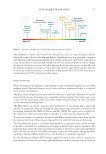
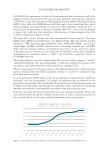
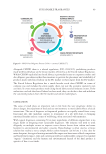
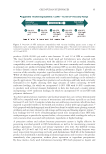
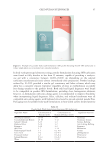
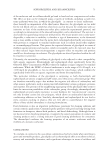
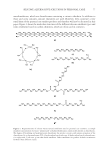
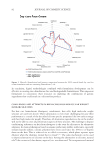
• Carbon footprint – SDG 13 – ESRS E1 (Fig 3).
• Water footprint – SDG 6 – ESRS E3.
• Air pollution – SDG 12 – ESRS E2 – AAQD.
• Deforestation and Biodiversity – SDG 15 – ESRS E4 and EUDR, CSDDD.
• Human Safety – SDG 3 – ESRS S1 and S4 – CLP.
• Environmental Safety – SDG 6, 15 – ESRS E2 – CLP, Microplastics.
• Human Ethical considerations – SDG 1-5 – ESRS G1 S3 and CSDDD, Forced Labour
Regulation.
There is some overlap between the seven axes, so a judgement had been made as to where
to place certain topics.
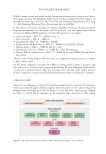
For EU based companies concerned by CSRD an annual audited report is required, and
this will serve as a broad overall reporting mechanism for each company’s sustainability
activities in a uniform fashion. This may overcome some criticism of the current practice
of many companies issuing annual Sustainability Reports which are difficult to compare.
CARBON FOOTPRINT
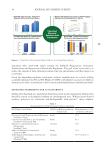
Fragrances are composed of a blend of fossil-based, plant-based and natural raw materials,
with fossil being the largest element industry wide. An article on the carbon footprint of
fragrances was published previously by Warr et al [14], and later a more specific example
by Martz et al [15]. Many companies in the fragrance value chain have public targets
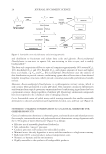
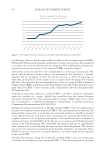
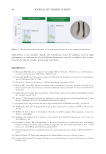
Figure 3. EU CSRD European Sustainability Reporting Standards (ESRS) – source EFRAG.
Whilst Europe is often seen as the leading the regulatory agenda in this area it is not alone,
and similar concerns and legislation either has or is being considered for other regions, for
example the Lacey Act (16 U.S.C. §§ 3371-3378) and California Proposition 65 (CA Prop
65 -Safe Drinking Water and Toxic Enforcement Act) in the USA.
In this article, seven major axes that are considered highly relevant to ensuring sustainable
fragrance development for the future will be reviewed, and the approximate linkage
between the SDGs, CSRD standards and other EU legislation is as follows:
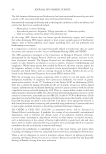
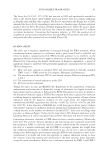
• Carbon footprint – SDG 13 – ESRS E1 (Fig 3).
• Water footprint – SDG 6 – ESRS E3.
• Air pollution – SDG 12 – ESRS E2 – AAQD.
• Deforestation and Biodiversity – SDG 15 – ESRS E4 and EUDR, CSDDD.
• Human Safety – SDG 3 – ESRS S1 and S4 – CLP.
• Environmental Safety – SDG 6, 15 – ESRS E2 – CLP, Microplastics.
• Human Ethical considerations – SDG 1-5 – ESRS G1 S3 and CSDDD, Forced Labour
Regulation.
There is some overlap between the seven axes, so a judgement had been made as to where
to place certain topics.
For EU based companies concerned by CSRD an annual audited report is required, and
this will serve as a broad overall reporting mechanism for each company’s sustainability
activities in a uniform fashion. This may overcome some criticism of the current practice
of many companies issuing annual Sustainability Reports which are difficult to compare.
CARBON FOOTPRINT
Fragrances are composed of a blend of fossil-based, plant-based and natural raw materials,
with fossil being the largest element industry wide. An article on the carbon footprint of
fragrances was published previously by Warr et al [14], and later a more specific example
by Martz et al [15]. Many companies in the fragrance value chain have public targets
Figure 3. EU CSRD European Sustainability Reporting Standards (ESRS) – source EFRAG.