37 Sustainable Fragrances
The CSDDD or CS3D, (EU) 2024/1760, entered into force in July 2024 and will be
discussed in more detail under Human Ethical considerations as it is primarily concerned
with Human and Environmental Rights. Nevertheless, it should be noted that companies in
scope of the Directive should adopt and put into effect a transition plan for climate change
mitigation which aims to ensure that their business model and strategy are compatible with
the limiting of global warming to 1.5oC in line with the Paris Agreement and the objective
of achieving climate neutrality as established in Regulation (EU) 2021/1119, including its
intermediate and 2050 climate neutrality targets.
WATER FOOTPRINT
Water consumption for fragrance compounding activity is minimal, largely associated with
washing vessels. Steps are taken to recycle water and treat wastewater before it is released
back into the environment.
The main water footprint associated with the industry is from the cultivation of natural
materials like oranges for orange oil or renewable starting materials like palm, sugar cane,
or pine trees. In an analogous fashion to carbon footprint (kg CO
2 e/kg), the value calculated
is litres water/kg final ingredient.
The Blue Water use metric measures how much water is used from lakes, rivers and
aquifers to irrigate the crops used during the agricultural stage and will be a key metric for
developing standards like SBTi for Nature and EU CSRD. The value can be weighted by
the sensitivity of the local water tables to drought, so called “scarcity adjusted” [21].
To note that reference is sometimes made to Green Water (rainwater that comes from natural
precipitation) and Grey Water (water impacted by the runoff of nutrients &chemicals).
The Grey Water footprint is a measure of pollution. It is expressed as the volume of water
required to assimilate the pollutant load to meet ambient water quality standards. The
pollutant that requires the largest assimilation volume is referred to as the critical pollutant
and is used to calculate the Grey Water footprint if there are both surface and groundwater
discharges, the Grey Water footprint for each discharge is calculated separately.
For the developing standard SBTi Nature, targets for water quality will be calculated so
that nutrient concentrations (nitrogen and phosphorous) in water systems remain below the
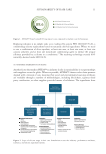
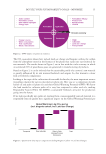
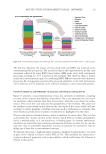
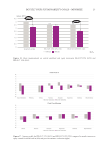
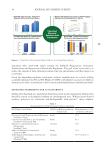
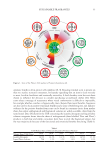
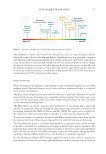
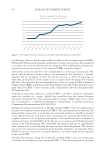
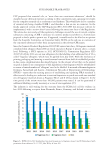
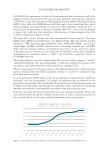
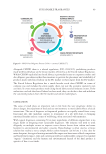
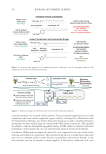
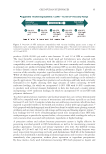
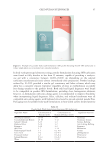
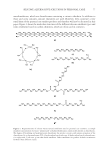
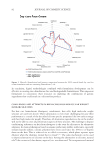
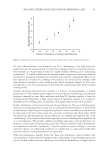
Figure 4. Indicative schematic of Carbon footprint by raw material category.
The CSDDD or CS3D, (EU) 2024/1760, entered into force in July 2024 and will be
discussed in more detail under Human Ethical considerations as it is primarily concerned
with Human and Environmental Rights. Nevertheless, it should be noted that companies in
scope of the Directive should adopt and put into effect a transition plan for climate change
mitigation which aims to ensure that their business model and strategy are compatible with
the limiting of global warming to 1.5oC in line with the Paris Agreement and the objective
of achieving climate neutrality as established in Regulation (EU) 2021/1119, including its
intermediate and 2050 climate neutrality targets.
WATER FOOTPRINT
Water consumption for fragrance compounding activity is minimal, largely associated with
washing vessels. Steps are taken to recycle water and treat wastewater before it is released
back into the environment.
The main water footprint associated with the industry is from the cultivation of natural
materials like oranges for orange oil or renewable starting materials like palm, sugar cane,
or pine trees. In an analogous fashion to carbon footprint (kg CO
2 e/kg), the value calculated
is litres water/kg final ingredient.
The Blue Water use metric measures how much water is used from lakes, rivers and
aquifers to irrigate the crops used during the agricultural stage and will be a key metric for
developing standards like SBTi for Nature and EU CSRD. The value can be weighted by
the sensitivity of the local water tables to drought, so called “scarcity adjusted” [21].
To note that reference is sometimes made to Green Water (rainwater that comes from natural
precipitation) and Grey Water (water impacted by the runoff of nutrients &chemicals).
The Grey Water footprint is a measure of pollution. It is expressed as the volume of water
required to assimilate the pollutant load to meet ambient water quality standards. The
pollutant that requires the largest assimilation volume is referred to as the critical pollutant
and is used to calculate the Grey Water footprint if there are both surface and groundwater
discharges, the Grey Water footprint for each discharge is calculated separately.
For the developing standard SBTi Nature, targets for water quality will be calculated so
that nutrient concentrations (nitrogen and phosphorous) in water systems remain below the
Figure 4. Indicative schematic of Carbon footprint by raw material category.