57 Oleo-Furan Sulfonates
efforts have led to innovations in manufacturing methods to provide economically viable
biosurfactant ingredients in high yields, such as the use of biorefineries for production of
carbohydrate-based surfactants.10,11 These advances in bio-based surfactant technology are
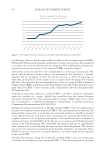
reflected in their increasing market share, which was valued at nearly $19 billion (USD) in
2022, comprising ∼40% of the total surfactants market, and is projected to grow to $26
billion by 2032, with an anticipated CAGR of 3.9%.12
Despite the impressive progress of technologies for biosurfactant design and manufacturing,
a significant proportion of surfactants used in consumer products are still fossil-based, with
nearly half of these surfactants being derived from polyethoxylated units.13 In particular,
products formulated with anionic surfactants, which are particularly effective for soil
removal and foam generation consumers value in shampoos, body wash, facial cleansers,
and hand soap, commonly feature petrochemical-based polyethoxylated units, such as in
sodium lauryl ether sulfate (SLES). The transition away from such fossil-sourced ingredients
has largely been hindered by their low cost, superior performance, and compatibility in a
wide variety of formulated products. For example, one of the leading fully bio-renewable
anionic surfactants, sodium lauryl sulfate (SLS), is often avoided by product formulators due
to stability issues related to use in hard water (rich in minerals like calcium and magnesium)
and cold water, both of which can result in deactivation for SLS in some products. In
comparison, polyethoxylated surfactants such as SLES maintain high performance in both
hard and cold water environments, while simultaneously offering lower dermal and ocular
irritation levels compared to SLS. The use of natural oil feedstocks and renewably sourced
ethylene oxide (e.g., from sugarcane) in SLES manufacturing has allowed for a lower carbon
footprint however, this accounts for a small percentage of global SLES production.
Use of the EPA-regulated petrochemical feedstock ethylene oxide in SLES manufacturing
and the presence of 1.4-dioxane, a carcinogenic byproduct, have provided challenges for
what is currently the highest-volume anionic surfactant in household cleaning and personal
care products. Regulations establishing dioxane content limits as low as 1 ppm in household
cleaning and personal care products have already been passed in New York, with signs of
further policy adoption still to come at the State and Federal level.14 As a result, more than
1,400 products exceeding this dioxane content may be banned in 2025 unless they are
reformulated.15 In recent years, dioxane contamination limits have increasingly become
a challenge for chemical manufacturers producing SLES, requiring costly surfactant
treatments such as steam stripping or nitrogen purging to reduce dioxane content.16 These
treatments increase production costs while still failing to remove dioxane contamination
entirely. With the challenge of bio-renewable ingredient restriction disproportionately
impacting the anionic surfactants market, the leading global surfactants market, by
market size and distribution volume, new surfactant ingredients are still urgently needed.17
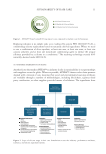
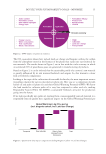
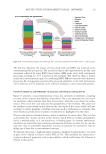
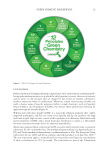
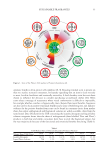
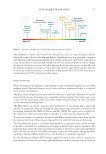
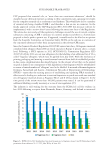
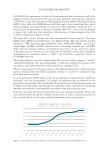
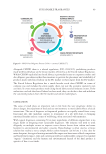
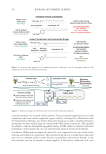
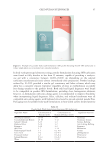
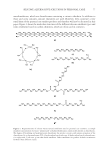
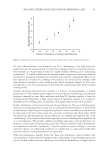
Sironix’s design for oleo-furan sulfonate (OFS) surfactants is intended to meet this need
(Figure 1) while maintaining the high performance standards that encourage product
formulators to widely use SLES in personal care formulations.
DESIGN AND STRUCTURAL VERSATILITY OF OFS SURFACTANTS PLATFORM
OFS surfactants are 100% plant-based platform molecules that have demonstrated superior
performance and comparable costs to leading anionic surfactants while avoiding the use of
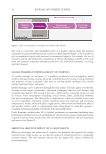
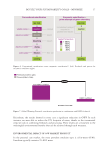
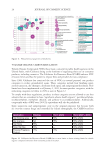
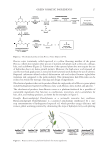
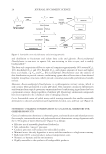
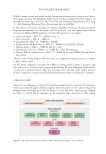
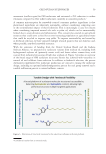
ethylene oxide and dioxane contamination. As seen in Figure 2, OFS surfactants are prepared
from cellulose-derived furans combined with plant-oil-derived fatty acids using proprietary
efforts have led to innovations in manufacturing methods to provide economically viable
biosurfactant ingredients in high yields, such as the use of biorefineries for production of
carbohydrate-based surfactants.10,11 These advances in bio-based surfactant technology are
reflected in their increasing market share, which was valued at nearly $19 billion (USD) in
2022, comprising ∼40% of the total surfactants market, and is projected to grow to $26
billion by 2032, with an anticipated CAGR of 3.9%.12
Despite the impressive progress of technologies for biosurfactant design and manufacturing,
a significant proportion of surfactants used in consumer products are still fossil-based, with
nearly half of these surfactants being derived from polyethoxylated units.13 In particular,
products formulated with anionic surfactants, which are particularly effective for soil
removal and foam generation consumers value in shampoos, body wash, facial cleansers,
and hand soap, commonly feature petrochemical-based polyethoxylated units, such as in
sodium lauryl ether sulfate (SLES). The transition away from such fossil-sourced ingredients
has largely been hindered by their low cost, superior performance, and compatibility in a
wide variety of formulated products. For example, one of the leading fully bio-renewable
anionic surfactants, sodium lauryl sulfate (SLS), is often avoided by product formulators due
to stability issues related to use in hard water (rich in minerals like calcium and magnesium)
and cold water, both of which can result in deactivation for SLS in some products. In
comparison, polyethoxylated surfactants such as SLES maintain high performance in both
hard and cold water environments, while simultaneously offering lower dermal and ocular
irritation levels compared to SLS. The use of natural oil feedstocks and renewably sourced
ethylene oxide (e.g., from sugarcane) in SLES manufacturing has allowed for a lower carbon
footprint however, this accounts for a small percentage of global SLES production.
Use of the EPA-regulated petrochemical feedstock ethylene oxide in SLES manufacturing
and the presence of 1.4-dioxane, a carcinogenic byproduct, have provided challenges for
what is currently the highest-volume anionic surfactant in household cleaning and personal
care products. Regulations establishing dioxane content limits as low as 1 ppm in household
cleaning and personal care products have already been passed in New York, with signs of
further policy adoption still to come at the State and Federal level.14 As a result, more than
1,400 products exceeding this dioxane content may be banned in 2025 unless they are
reformulated.15 In recent years, dioxane contamination limits have increasingly become
a challenge for chemical manufacturers producing SLES, requiring costly surfactant
treatments such as steam stripping or nitrogen purging to reduce dioxane content.16 These
treatments increase production costs while still failing to remove dioxane contamination
entirely. With the challenge of bio-renewable ingredient restriction disproportionately
impacting the anionic surfactants market, the leading global surfactants market, by
market size and distribution volume, new surfactant ingredients are still urgently needed.17
Sironix’s design for oleo-furan sulfonate (OFS) surfactants is intended to meet this need
(Figure 1) while maintaining the high performance standards that encourage product
formulators to widely use SLES in personal care formulations.
DESIGN AND STRUCTURAL VERSATILITY OF OFS SURFACTANTS PLATFORM
OFS surfactants are 100% plant-based platform molecules that have demonstrated superior
performance and comparable costs to leading anionic surfactants while avoiding the use of
ethylene oxide and dioxane contamination. As seen in Figure 2, OFS surfactants are prepared
from cellulose-derived furans combined with plant-oil-derived fatty acids using proprietary