59 Oleo-Furan Sulfonates
assessment (cradle-to-gate) for OFS surfactants and estimated a 45% reduction in carbon
emissions compared to ether sulfate surfactants currently in consumer products.*
A common misconception for renewably sourced consumer product ingredients is that
plant-based ingredients are inherently sustainable, without considering competing uses
or the environmental impact of their feedstocks. This is increasingly a cause for concern
when considering imported natural oils such as palm oil, which can be unsustainably
farmed due to overcultivation and deforestation. This concept also extends to agricultural
resources that could serve as food for an ever-increasing population or agricultural waste
that could be recycled to improve crop yields. To improve sustainability and versatility
in feedstock selection, we have initiated multiple research projects that use domestic and,
where possible, non-food renewable resources.
With the assistance of funding from the United Soybean Board and the Indiana
Soybean Alliance, we prepared new surfactant variants from soybean oil, including both
hydrogenated soybean oil (primarily stearic acid) and lower carbon content fatty acids
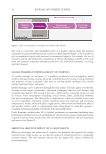
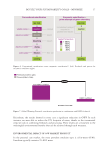
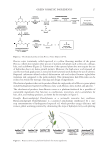
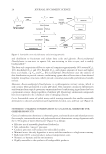
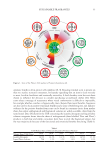
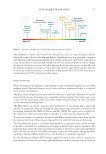
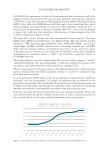
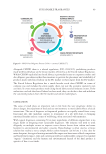
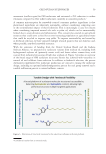
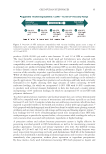
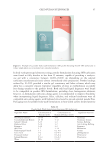
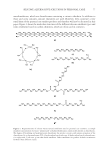
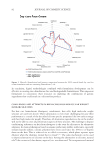
sourced from industrial processing of high oleic soybean oil. Figure 3 provides an overview
of the broad range of OFS surfactant structures Sironix has achieved with versatility in
natural oil and cellulosic furan selection. In addition to feedstock selection, the process
chemistries implemented for surfactant production are critical to tuning the surfactant
design, including an optional hydrodeoxygenation process for acyl group removal and a
tunable sulfonation process to control sulfonate content.
Figure 3. Illustration of structural variations for the oleo-furan sulfonate surfactant platform.
*Confidential results from an internal study.
assessment (cradle-to-gate) for OFS surfactants and estimated a 45% reduction in carbon
emissions compared to ether sulfate surfactants currently in consumer products.*
A common misconception for renewably sourced consumer product ingredients is that
plant-based ingredients are inherently sustainable, without considering competing uses
or the environmental impact of their feedstocks. This is increasingly a cause for concern
when considering imported natural oils such as palm oil, which can be unsustainably
farmed due to overcultivation and deforestation. This concept also extends to agricultural
resources that could serve as food for an ever-increasing population or agricultural waste
that could be recycled to improve crop yields. To improve sustainability and versatility
in feedstock selection, we have initiated multiple research projects that use domestic and,
where possible, non-food renewable resources.
With the assistance of funding from the United Soybean Board and the Indiana
Soybean Alliance, we prepared new surfactant variants from soybean oil, including both
hydrogenated soybean oil (primarily stearic acid) and lower carbon content fatty acids
sourced from industrial processing of high oleic soybean oil. Figure 3 provides an overview
of the broad range of OFS surfactant structures Sironix has achieved with versatility in
natural oil and cellulosic furan selection. In addition to feedstock selection, the process
chemistries implemented for surfactant production are critical to tuning the surfactant
design, including an optional hydrodeoxygenation process for acyl group removal and a
tunable sulfonation process to control sulfonate content.
Figure 3. Illustration of structural variations for the oleo-furan sulfonate surfactant platform.
*Confidential results from an internal study.