65 Oleo-Furan Sulfonates
products (5,000–20,000 cps) with a ratio between 1:1 and 1:2 of OFS to cosurfactant.
The most favorable consistencies for body wash gel formulations were observed with
5 wt% OFS, 10 wt% cosurfactant, with the addition of 1–3% salt as needed. Notably,
compatibility with cocamidopropyl betaine, one of the most commonly used cosurfactants
in personal care products featuring SLES, positions OFS as an ideal drop-in replacement
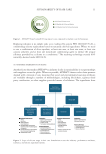
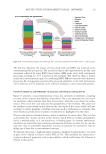
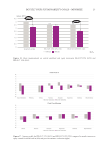
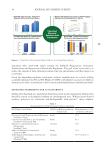
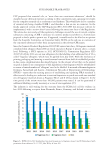
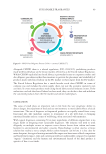
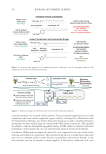
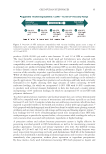
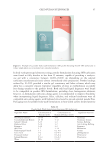
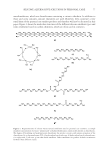
to reduce dioxane content without sacrificing product performance. Figure 5 provides an
overview of the versatility in product types for which we have achieved targeted thickening.
While all thickening systems suggested can be prepared to have a gel consistency in the
aforementioned viscosity range, the surfactant and cosurfactant loadings can be tailored to
specific applications. This ranges from products such as shampoo and body wash commonly
formulated to be highly cleansing with large amounts of lather containing 10–20%
surfactant loadings, for which we incorporated 4–10% OFS with 8–10% cosurfactant,
to products such as facial cleansers formulated to have less foam and a creamy texture
incorporating 10% surfactant loadings, for which we incorporated 5% or less OFS with
polymeric thickeners.28
To achieve optimal sensory experience and facilitate proper skin care, we have demonstrated
OFS to be compatible with a variety of moisturizers and emollients typically at use levels
between 0.5 and 2 wt%. Examples include aloe vera and honey concentrate, which have been
reported to provide benefits to the health and resiliency of skin with topical application.29
Gels prepared with hydroxypropyl starch have been found to exhibit more pleasing textural
attributes and are more tolerant to cold storage and freezing and thawing improve texture.30
Low loadings (0.1–0.5 wt%) of hydroxypropyl starch were incorporated into OFS body
wash prototypes to provide the reported richer, velvety texture while avoiding the tacky or
sticky texture often associated with polymeric ingredients at higher loadings.
A potassium sorbate and sodium benzoate preservative system is highly effective for
preventing microbial growth in OFS formulations, as well as for maintaining consistent
product appearance, viscosity, and sensory experience over time. For shelf-life testing,
loadings of 0.28 wt% and 0.14 wt% for potassium sorbate and sodium benzoate were
used, respectively, for preserving test body wash formulations. Shelf life of the formulated
product was determined as maintaining an identical appearance and viscosity to the product
immediately after preparation, without phase separation or ingredient precipitation.
By these metrics, body wash formulations featuring OFS (both prepared as liquids and
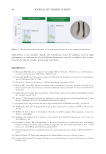
Figure 5. Overview of OFS surfactant compatibility with viscosity building agents across a range of
formulation types, including polymeric and micellar thickening agents. Viscosities were measured with a
rotational viscometer at ambient temperature with a rotation rate of 30 rpm and applied torque in the range
of 34.9 and 98.9%.
products (5,000–20,000 cps) with a ratio between 1:1 and 1:2 of OFS to cosurfactant.
The most favorable consistencies for body wash gel formulations were observed with
5 wt% OFS, 10 wt% cosurfactant, with the addition of 1–3% salt as needed. Notably,
compatibility with cocamidopropyl betaine, one of the most commonly used cosurfactants
in personal care products featuring SLES, positions OFS as an ideal drop-in replacement
to reduce dioxane content without sacrificing product performance. Figure 5 provides an
overview of the versatility in product types for which we have achieved targeted thickening.
While all thickening systems suggested can be prepared to have a gel consistency in the
aforementioned viscosity range, the surfactant and cosurfactant loadings can be tailored to
specific applications. This ranges from products such as shampoo and body wash commonly
formulated to be highly cleansing with large amounts of lather containing 10–20%
surfactant loadings, for which we incorporated 4–10% OFS with 8–10% cosurfactant,
to products such as facial cleansers formulated to have less foam and a creamy texture
incorporating 10% surfactant loadings, for which we incorporated 5% or less OFS with
polymeric thickeners.28
To achieve optimal sensory experience and facilitate proper skin care, we have demonstrated
OFS to be compatible with a variety of moisturizers and emollients typically at use levels
between 0.5 and 2 wt%. Examples include aloe vera and honey concentrate, which have been
reported to provide benefits to the health and resiliency of skin with topical application.29
Gels prepared with hydroxypropyl starch have been found to exhibit more pleasing textural
attributes and are more tolerant to cold storage and freezing and thawing improve texture.30
Low loadings (0.1–0.5 wt%) of hydroxypropyl starch were incorporated into OFS body
wash prototypes to provide the reported richer, velvety texture while avoiding the tacky or
sticky texture often associated with polymeric ingredients at higher loadings.
A potassium sorbate and sodium benzoate preservative system is highly effective for
preventing microbial growth in OFS formulations, as well as for maintaining consistent
product appearance, viscosity, and sensory experience over time. For shelf-life testing,
loadings of 0.28 wt% and 0.14 wt% for potassium sorbate and sodium benzoate were
used, respectively, for preserving test body wash formulations. Shelf life of the formulated
product was determined as maintaining an identical appearance and viscosity to the product
immediately after preparation, without phase separation or ingredient precipitation.
By these metrics, body wash formulations featuring OFS (both prepared as liquids and
Figure 5. Overview of OFS surfactant compatibility with viscosity building agents across a range of
formulation types, including polymeric and micellar thickening agents. Viscosities were measured with a
rotational viscometer at ambient temperature with a rotation rate of 30 rpm and applied torque in the range
of 34.9 and 98.9%.