63 Oleo-Furan Sulfonates
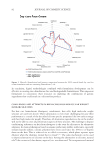
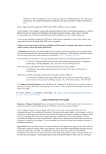
OFS surfactants provide a low carbon alternative petrochemical-based anionic surfactants
while also demonstrating improved properties compared to commercial plant-based
anionic surfactants such as SLS (Table I). CMC and surface tension are metrics commonly
used to determine the surfactant concentration required to achieve micelle formation and
the level of surfactant effect for use in consumer products. In comparison to the leading
petrochemical surfactants, OFS was found to have similar values for surface tension and
CMC, with a significantly lower CMC value compared to the plant-based commercial
surfactant, SLS. Foam generation, measured by both Ross-Miles and high shear test
methods, found exceptionally high levels of foam formed by OFS only exceeded by SLS,
with excellent foam stability.
Krafft point, the temperature above which ionic surfactants are readily solubilized and are
optimally functional for micelle creation, provides an indication of which anionic surfactants
are ideal for use at low temperatures. Depending on the climate where products are being
used and the product storage location, surfactants can be observed to precipitate out of the
product formulation if temperatures are sufficiently low or insufficient solubilizers were
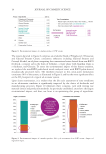
incorporated. OFS surfactants and SLES have exceptional solubility at temperatures down
to 0°C, while both LAS and SLS experience solubility limitations at temperatures below
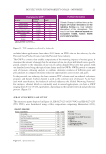
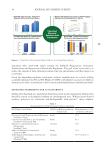
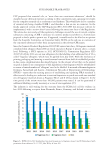
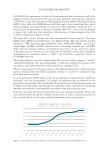
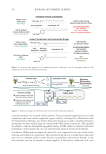
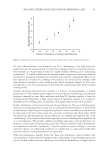
20°C and 15°C, respectively. To demonstrate surfactant solubility limits in hard water, 0.5
wt% surfactant solutions were titrated with a calcium chloride solution the concentration
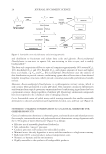
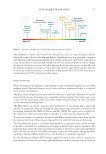
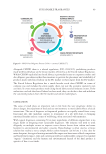
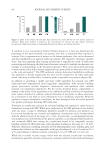
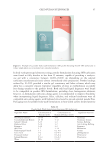
at which a precipitate is formed is identified as the hard water tolerance in Figure 4A. Both
SLS (35 ppm Ca2+) and LAS (100 ppm Ca2+) were found to precipitate from solution at
calcium concentrations 500x lower than the 100,000 ppm test limit, while OFS and SLES
remained soluble at the highest calcium concentration tested.
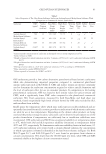
Table I
Select Properties of The Oleo-Furan Sulfonate Surfactant Sodium Lauroyl Methylfuran Sulfonate With
Comparison to Commercial Anionic Surfactants
Surfactant CMC
(ppm)1
Surface
Tension
(mN/m)2
Ross Miles
Foam
Height
(mm)3
High Shear
Foam
Height
(mm)4
Wetting
Time
(sec)5
Krafft
Point
(°C)
Sulfate
Free
Dioxane
Free
Sodium Lauroyl
Methylfuran Sulfonate
799 34 170 /165 75 /75 8 0 ✓ ✓
Sodium Lauryl
Ether Sulfate
4496 326 160 /150 50 /48 15 0 X X
Sodium Dodecyl
Benzene Sulfonate
8367 35 145 /140 63 /62 5 20 ✓ ✓
Sodium Lauryl
Sulfate
23,657 31 180 /170 80 /78 6 15 X ✓
1 Critical micelle concentration of surfactant in deionized water at room temperature (25°C)
2 Surface tension at CMC
3 Height of foam after initial formation and after 5 minutes (20°C) for 0.1 wt% surfactant following ASTM
D1173
4 Height of foam after initial formation and after 5 minutes (20°C) for 0.1 wt% surfactant following ASTM
D3519
5 Wetting of cotton skein in a 0.25 wt% surfactant solution at 30°C according to ASTM D2281
6 Value reported by vendor (STEOL CS330)23
7 Values reported in literature for SDBS24 and SLS25
OFS surfactants provide a low carbon alternative petrochemical-based anionic surfactants
while also demonstrating improved properties compared to commercial plant-based
anionic surfactants such as SLS (Table I). CMC and surface tension are metrics commonly
used to determine the surfactant concentration required to achieve micelle formation and
the level of surfactant effect for use in consumer products. In comparison to the leading
petrochemical surfactants, OFS was found to have similar values for surface tension and
CMC, with a significantly lower CMC value compared to the plant-based commercial
surfactant, SLS. Foam generation, measured by both Ross-Miles and high shear test
methods, found exceptionally high levels of foam formed by OFS only exceeded by SLS,
with excellent foam stability.
Krafft point, the temperature above which ionic surfactants are readily solubilized and are
optimally functional for micelle creation, provides an indication of which anionic surfactants
are ideal for use at low temperatures. Depending on the climate where products are being
used and the product storage location, surfactants can be observed to precipitate out of the
product formulation if temperatures are sufficiently low or insufficient solubilizers were
incorporated. OFS surfactants and SLES have exceptional solubility at temperatures down
to 0°C, while both LAS and SLS experience solubility limitations at temperatures below
20°C and 15°C, respectively. To demonstrate surfactant solubility limits in hard water, 0.5
wt% surfactant solutions were titrated with a calcium chloride solution the concentration
at which a precipitate is formed is identified as the hard water tolerance in Figure 4A. Both
SLS (35 ppm Ca2+) and LAS (100 ppm Ca2+) were found to precipitate from solution at
calcium concentrations 500x lower than the 100,000 ppm test limit, while OFS and SLES
remained soluble at the highest calcium concentration tested.
Table I
Select Properties of The Oleo-Furan Sulfonate Surfactant Sodium Lauroyl Methylfuran Sulfonate With
Comparison to Commercial Anionic Surfactants
Surfactant CMC
(ppm)1
Surface
Tension
(mN/m)2
Ross Miles
Foam
Height
(mm)3
High Shear
Foam
Height
(mm)4
Wetting
Time
(sec)5
Krafft
Point
(°C)
Sulfate
Free
Dioxane
Free
Sodium Lauroyl
Methylfuran Sulfonate
799 34 170 /165 75 /75 8 0 ✓ ✓
Sodium Lauryl
Ether Sulfate
4496 326 160 /150 50 /48 15 0 X X
Sodium Dodecyl
Benzene Sulfonate
8367 35 145 /140 63 /62 5 20 ✓ ✓
Sodium Lauryl
Sulfate
23,657 31 180 /170 80 /78 6 15 X ✓
1 Critical micelle concentration of surfactant in deionized water at room temperature (25°C)
2 Surface tension at CMC
3 Height of foam after initial formation and after 5 minutes (20°C) for 0.1 wt% surfactant following ASTM
D1173
4 Height of foam after initial formation and after 5 minutes (20°C) for 0.1 wt% surfactant following ASTM
D3519
5 Wetting of cotton skein in a 0.25 wt% surfactant solution at 30°C according to ASTM D2281
6 Value reported by vendor (STEOL CS330)23
7 Values reported in literature for SDBS24 and SLS25