84 JOURNAL OF COSMETIC SCIENCE
replacement is not possible. Again, the formulation must be adapted, and for high
performance, a combination of the different alternatives must be considered, also to fine-
tune for the specific product positioning and claims.
REFERENCES
(1) Bertiaume MD. Silicone in cosmetics. In: Goddard ED, ed. Principles of Polymer Science and Technology in
Cosmetics and Personal Care. CRC Press 1999:275–324.
(2) Eeman M, Van Reeth, I. Silicones in cosmetics. In: Dreyer F, ed. Handbook of Cosmetic Science and Technology.
5th ed. CRC Press 2022:377–388.
(3) O’Lenick A. Silicones for Personal Care. Allured Publishing Corporation 2008.
(4) Ferritto MS, Owen MJ. Silicone wettability and its significance in beauty products. In: Patil A, ed.
Polymers for Personal Care and Cosmetics. American Chemical Society 2013:219–232. doi: 10.1021/bk-2013-
1148.ch014
(5) Global Silicones Council. Silicon-chemistry carbon balance. https://www.siliconescarbonbalance.eu/pdf/
SIL_nutshell_en.pdf 2012.
(6) Stevens C. Environmental degradation pathways for the breakdown of polydimethylsiloxanes. J Inorg
Biochem. 1998 69(3):203–207. doi:10.1016/S0162-0134(97)10019-8
(7) European Union. https://eur-lex.europa.eu/legal-content/EN/TXT/HTML/?uri=OJ:L_202401328.
(8) Temeltaş E, Baek YY. Getting ahead of the trend for silicone-free cosmetics. SOFW J. March 2022:
46–58.
(9) McPhee D, Pin A, Kizer L, Perelman L. Deriving renewable squalane from sugarcane. Cosmetics &
Toiletries. 2014 129(6).
(10) Rawlings AV, Lombard KJ. A review on the extensive skin benefits of mineral oil. Int J Cosmet Sci.
2012 34(6):511–518.
(11) Goussard V, Aubry JM, Nardello-Rataj V. Bio-based alternatives to volatile silicones: relationships
between chemical structure, physicochemical properties and functional performances. Adv. Colloid
Interface Sci. 2022 304(2). doi:10.1016/j.cis.2022.102679.
(12) Determining performance in formulations for oil-containing products for cosmetics. WO2021180922A1
(2021).
(13) Riedel H, Baek YY. Replacing dimethicone by AI-modelling, expression cosmétique, in press.
(14) Goddard ED, Gruber JV. Principles of Polymer Science and Technology in Cosmetics and Personal Care. Marcel
Dekker 1999.
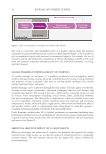
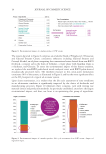
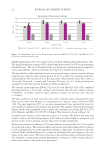
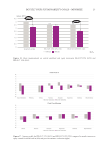
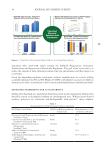
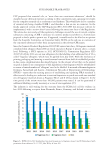
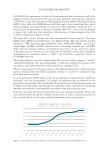
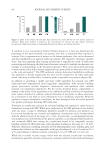
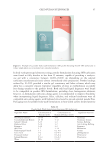
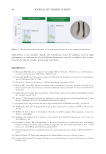
Figure 5. Hair breakage protection results of a pearlizing wax dispersion in two shampoo formulations.
replacement is not possible. Again, the formulation must be adapted, and for high
performance, a combination of the different alternatives must be considered, also to fine-
tune for the specific product positioning and claims.
REFERENCES
(1) Bertiaume MD. Silicone in cosmetics. In: Goddard ED, ed. Principles of Polymer Science and Technology in
Cosmetics and Personal Care. CRC Press 1999:275–324.
(2) Eeman M, Van Reeth, I. Silicones in cosmetics. In: Dreyer F, ed. Handbook of Cosmetic Science and Technology.
5th ed. CRC Press 2022:377–388.
(3) O’Lenick A. Silicones for Personal Care. Allured Publishing Corporation 2008.
(4) Ferritto MS, Owen MJ. Silicone wettability and its significance in beauty products. In: Patil A, ed.
Polymers for Personal Care and Cosmetics. American Chemical Society 2013:219–232. doi: 10.1021/bk-2013-
1148.ch014
(5) Global Silicones Council. Silicon-chemistry carbon balance. https://www.siliconescarbonbalance.eu/pdf/
SIL_nutshell_en.pdf 2012.
(6) Stevens C. Environmental degradation pathways for the breakdown of polydimethylsiloxanes. J Inorg
Biochem. 1998 69(3):203–207. doi:10.1016/S0162-0134(97)10019-8
(7) European Union. https://eur-lex.europa.eu/legal-content/EN/TXT/HTML/?uri=OJ:L_202401328.
(8) Temeltaş E, Baek YY. Getting ahead of the trend for silicone-free cosmetics. SOFW J. March 2022:
46–58.
(9) McPhee D, Pin A, Kizer L, Perelman L. Deriving renewable squalane from sugarcane. Cosmetics &
Toiletries. 2014 129(6).
(10) Rawlings AV, Lombard KJ. A review on the extensive skin benefits of mineral oil. Int J Cosmet Sci.
2012 34(6):511–518.
(11) Goussard V, Aubry JM, Nardello-Rataj V. Bio-based alternatives to volatile silicones: relationships
between chemical structure, physicochemical properties and functional performances. Adv. Colloid
Interface Sci. 2022 304(2). doi:10.1016/j.cis.2022.102679.
(12) Determining performance in formulations for oil-containing products for cosmetics. WO2021180922A1
(2021).
(13) Riedel H, Baek YY. Replacing dimethicone by AI-modelling, expression cosmétique, in press.
(14) Goddard ED, Gruber JV. Principles of Polymer Science and Technology in Cosmetics and Personal Care. Marcel
Dekker 1999.
Figure 5. Hair breakage protection results of a pearlizing wax dispersion in two shampoo formulations.