82 JOURNAL OF COSMETIC SCIENCE
In conclusion, digital methodologies combined with formulation development can be
effective in creating true dimethicone-free and biodegradable formulations. This empowers
formulators to concentrate their resources on exploring the combination of galenic
ingredients that could result in a silicone-free product.
CHALLENGES AND ATTEMPTS IN REPLACING HIGH MOLECULAR WEIGHT
(LINEAR) SILICONES
For hair care formulations (shampoos, conditioners, hair oils), high molecular weight
silicones are used (see above). Their substitution is even more challenging because their
performance is a result of the described silicone specific properties like low surface energy
and their high molecular weight. Therefore, all alternative ingredients so far on the market
will not be able to cover all performance aspects of these silicones. The challenge to deposit
conditioning substances on hair from shampoos is the same for silicones as for alternative
solutions. In classical shampoos based on anionic surfactants (sulfate surfactants, especially
sodium laureth sulfate), cationic polymers have been used since the 1970s to co-deposit
them on the hair. This is achieved via so called co-acervates, which phase separate upon
dilution when the shampoo treated hair is rinsed14,15. The same mechanism can be used
to deposit alternatives to silicones on the hair. Among the alternatives to silicones, natural
oils16 like coconut oil, shea butter, argan oil, etc. are often used. To incorporate such natural
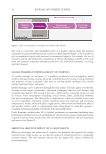
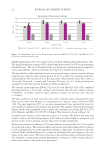
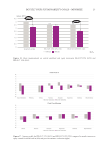
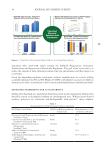
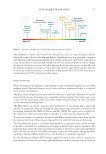
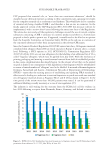
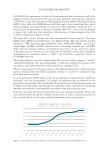
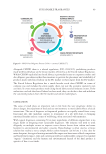
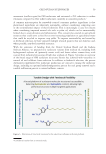
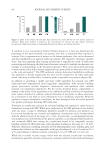
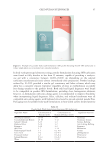
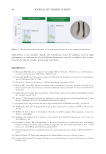
Figure 3. Monadic (formulation level) sensory comparison between the 100% natural-based day care face
cream formulation and one containing Dimethicone 5 cSt.
In conclusion, digital methodologies combined with formulation development can be
effective in creating true dimethicone-free and biodegradable formulations. This empowers
formulators to concentrate their resources on exploring the combination of galenic
ingredients that could result in a silicone-free product.
CHALLENGES AND ATTEMPTS IN REPLACING HIGH MOLECULAR WEIGHT
(LINEAR) SILICONES
For hair care formulations (shampoos, conditioners, hair oils), high molecular weight
silicones are used (see above). Their substitution is even more challenging because their
performance is a result of the described silicone specific properties like low surface energy
and their high molecular weight. Therefore, all alternative ingredients so far on the market
will not be able to cover all performance aspects of these silicones. The challenge to deposit
conditioning substances on hair from shampoos is the same for silicones as for alternative
solutions. In classical shampoos based on anionic surfactants (sulfate surfactants, especially
sodium laureth sulfate), cationic polymers have been used since the 1970s to co-deposit
them on the hair. This is achieved via so called co-acervates, which phase separate upon
dilution when the shampoo treated hair is rinsed14,15. The same mechanism can be used
to deposit alternatives to silicones on the hair. Among the alternatives to silicones, natural
oils16 like coconut oil, shea butter, argan oil, etc. are often used. To incorporate such natural
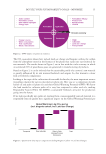
Figure 3. Monadic (formulation level) sensory comparison between the 100% natural-based day care face
cream formulation and one containing Dimethicone 5 cSt.