•NFLUENCE OF ALIPHAT1C CI4EI•IiSTRY DEVELOPI•IENT• CHE•4IST:RY IN DAILY LIFE. Our hero gets up and has a bath the bath water may be softened with an ion-exchange resin system, of which anionic sequestration may be by means of a resin from aliphatic amines and formaldehyde. He may or may not have to equip himself with polymethacrylate dentures. tte has a shave with a cream formu- lated with triethanolamine or the polyglycol fatty esters. He may cut himself and dab the spot with a styptic pencil made from poly- ethylene glycol solid base. For breakfast he may have cereals or dried fruit and coffee, which have been fumigated in storage or before packing with ethylene oxide or ethylene dichloride. His wife washes up with a dish-washing detergent based on the sodiosul- phate of a synthetic secondary alco- hol or the condensation product of ethylene oxide with a fatty alcohol or cresylic compound. The party set out in an auto- mobile which may be finished in cellulose lacquer and polished with a morpholine emulsion polish the upholstery may be an artificial fabric based on polyvinyl esters the compound glass windows contain an interlayer of polyvinyl butyral and a synthetic plasticiser the hydraulic braking system may con- tain both lubricants and solvents of polyglycol ether stucture. The roads he travels may have their surface improved by being made or repaired with tar macadam containing partly synthetic cationic auxiliaries. They arrive at the seaside or country club he or his I'childre'n may have a summer drink or ice- cream the flavourings or colouring matters are dissolved or preserved •in propylene glycol. Even if he has a beer, that inviolate citadel of ultimate conservatism, propylene glycol may be employed in the cool- ing coils of the brewery. If he bathes he may have a swim suit of nylon, "Vinyon," or other totally synthetic fibre. If the insects trouble him he may have a lotion containing ethyl hexane diol and a sun-screening agent. If he plays games, the golf balls, tennis racket and other parapher- nalia are certainly processed at some stage with synthetic chemicals. If he goes to the cinema the theatre may be conditioned with fine vapour mist of triethylene glycol as a safe- guard against influenza infection. If, in spite of this, he feels a cold coming on, he may be able to drop into. a drugstore and buy anti- histaminic drug tablets made from dimethylethanolamine. I assure you I could go on a long time like this, but no doubt this will give some illustration of the extraordinary way in which organic synthesis impinges on everyday life apart from heavy industry per se. The synthetic fibres perhaps represent the greatest and most spectacular triumph of synthetic organic chemistry, for they repre- sent, as I have said, a complete synthesis from compounds of one or two carbon atoms to polymers of molecular weight of the order of 100,000. They are not only amen- 129

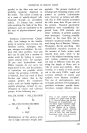
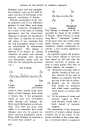
jOURNAL OF THE SOCIETY able to all the techniques of textile production, but supplement the properties of natural fibres in im- portant respects. Now, I should very much have enjoyed putting a jar of cold cream in front of this audience and declar- ing it to be totally synthetic, other than the contained water. Apart from the obvious economic diffi- culties, one reason why this is not as yet feasible is that cosmetic found- ations are very often long straight chain carbon compounds of the type of the harder fats and waxes. Synthetic aliphatic chemistry branches off into side chains, iso- compounds and the like after the first six carbons or so. These com- pounds, like the unsaturated long chain compounds, are usually much more fluid in quality than the straight chain bodies. FISCHER - TROPSCH SYNTHESIS. The only synthetic process which spontaneously produces really long straight chain carbon compounds is the Fischer-Tropsch synthesis. This process was largely directed to the production of synthetic fuels, though under the exigences of war- time Germany some remarkable derivatives were produced, includ- ing straight chain saturated acids of high molecular weight, either dir- ectly or by oxidation of waxes by oxygen in presence of potassium permanganate. These acids were used in soaps, detergents and auxi- liaries, and it is on record that they were esterified with synthetic pro- pylene glycol to produce a com- 130 OF COSMETIC CHEMISTS pletely artificial cooking fat or butter substitute, said to be excel- lent for diabetics. Whether it ap- proached anything like excellence for anybody else is perhaps very doubtful, but like Dr. Johnson's talking dog, it may not have been done well, the wonder was that it was done at all. One way to make a long chain compound from synthetic olefinic derivatives is' to. condense higher aldehydes and ketones. The method of building these constituent alde- hydes and ketones is by the aldol condensation from butyraldehyde butyraldehyde itself being similarly prepared from acetaldehyde, and this in turn from ethylene oxide or acetylene. The eight-car- bon compounds are dehydrated and hydrogenated to yield 2 - ethyl hexanal. Methyl isobutyl ketone is made from propylene through isopropyl alcohol, acetone, diacetone alcohol ß and mesityl oxide. PRIl•IARY AND SECONDARY ALCOHOL SVLPr•^TES. A polar group may be formed at the junction to the con- stituent chains and the resultant is a higher secondary alcohol. By sul- phating and neutralising a valuable series of surface active agents of the R type CHOSO•Na is derived. R • They are usually better wetting and penetrating agents than emulsifying .agents and detergents, and the higher the molecular weight the stronger the effect, provided the com-
Purchased for the exclusive use of nofirst nolast (unknown)
From: SCC Media Library & Resource Center (library.scconline.org)