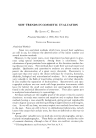
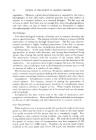
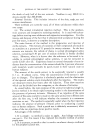
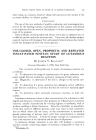
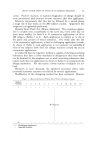
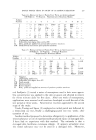
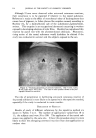
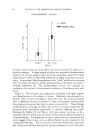
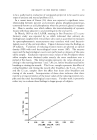
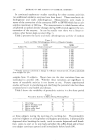
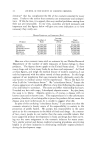
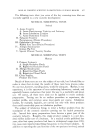
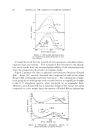
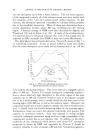
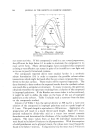
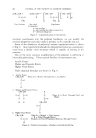
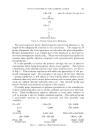
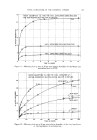
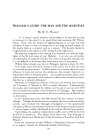
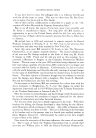
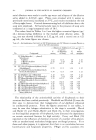
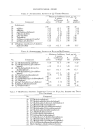
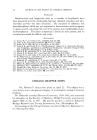
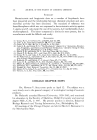
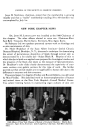
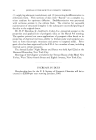
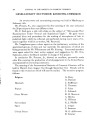
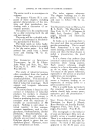
THE BEAUTY OF THE ENZYME SCREEN 267 LYSOZYME TITERS ASSOCIATED WITH UPPER RESPIRATORY DISTURBANCES - (COLDS) :34. TIME ! •'S% TRANS. I!T ]• I00- UNITS I•] NORMAL '[] BEFORE SYMPTOMS •1 DURING SYMPTOMS D RECOVERING NORMAL I-2DAYS I-4DAYS 5-14DAYS RECOVERING Figure 2. is concerned, is depressed or whether the lysozyme titer has been inactivated by certain components of the infectire agent. In any event, there are in- dications that project correlations with the titer and the symptoms of the i•dividual. When comparing it to Fig. 1 in which the hyaluronidase titer had been elevated during upper respiratory disturbances, an inverse re- lationship exists between the two enzyme activities. Since it is known that hyaluronidase is not derived from tissues of mammalian sources and appears to be solely produced by the microflora of the oral cavity and/or some as yet unknown viruses, we can compare the systemic enzyme reaction to the pathology and the other enzyme which is the by-product of infective agents. In continued studies with these two enzyme systems, observations were made that in patients with periodontal disease as weal as those with high incidence of dental caries the lysozyme titers were pronouncedly reduced. Studies were undertaken to uncover the possible relationship of periodontal disease and salivary hyaluronidase. Three hundred subjects were clinically and radiographically examined to determine the state of the periodontal

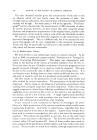
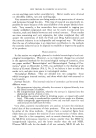
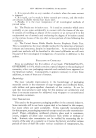
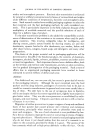
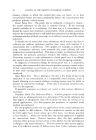
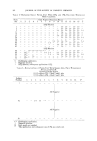
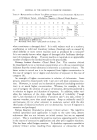
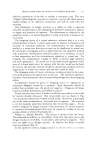
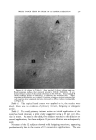
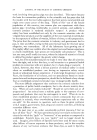
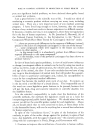
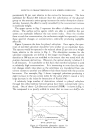
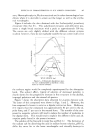
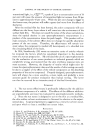
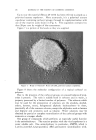
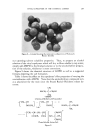
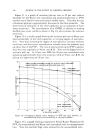
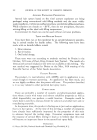
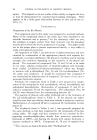
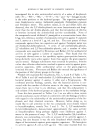
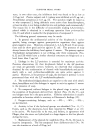
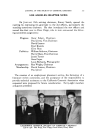
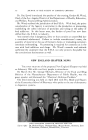
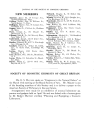
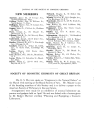
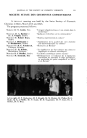
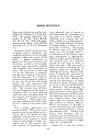
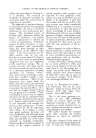
268 JOURNAL OF' THE SOCIETY OF COSMETIC CHEMISTS HYALURONIDASE ACTIVITY RANGE NORMAL PERIODONTAL DISEASE Figure 3. tissues. Two groups were selected (neither group contained any indi- viduals with upper respiratory disturbances). One group was composed of those who had no periodontal involvement and little or no caries experience. The other group contained individuals who had moderate to advanced periodontal involvement with little or no caries experience. Figure 3 illustrates the difference in hyaluronidase titers. The periodontally in- volved subjects demonstrated mean titers five to seven times that found in the mouth's of periodontally free individuals. These findings were first described by us in 1950 and 1952 (5, 11). Johnson, Chauncey and Lisanti reported findings in 1956 (12) which indicated that 80 per cent of the perio- dontally diseased and involved individuals showed abnormally high salivary protease activity, and that these titers remained high after therapy and 7O 6O "n 50 1• $O 20 H-'G- H'•: G- ENZYIVIES PRODUCED Figure 4. H-{': G+ H- NO HYALURONIDASE ACTIVITY G- NO $-GI.UCURONEIASE /$CTNIT• H+ HY/t&LJ•3NE)A•E ACTIVITY • $--GLUCURONII16SE ACTIVITY
Purchased for the exclusive use of nofirst nolast (unknown)
From: SCC Media Library & Resource Center (library.scconline.org)