ROLE OF COSMETIC SCIENTIST IN PROTECTION OF PUBLIC HEALTH 275 "And it shall come to pass, that instead of sweet smell there shall be stink and instead of a girdle, a rent and instead of well set hair, baldness..." (2) In terms of our modern society, we have come to appreciate the sweet smell, the unrented girdle, the well set hair, and speaking for the male population, we, along with Isaiah, have adjusted to baldness. Most of us, as normal human beings, take pride in our cleanliness and good grooming. We appreciate the physical contributions of cosmetics on an individual, very personal basis. We want to look attractive and have a desirable sensory impact on ourselves--through our mirror--and others. I hold that from the standpoint of their physical contributions alone, a human society devoid of cosmetics would be a strange one indeed. But, beyond the physical is there not a deeper meaning to cosmetics? Do not these products also make important contributions to our mental well being? I have been very happy during the past several decades to observe the growing recognition of a branch of medical science called psychosomatic medicine. Illnesses originating in the mind, having no physical basis in the body, are probably as old as man. Sugar pills, in their day, cured many imaginary diseases. Vitamins, quite properly, have supplanted the sugar pills of yesterday as a sounder approach to therapy. More recently, tranquilizers, as mood medicines, have provided the therapeutic and ethi- cal touch that has long been needed. What have psychosomatic medicine and mood medicines got to do with cosmetics? I believe a great deal. Beyond their many physical reasons for being, cosmetics make a major contribution to our mental health every day. As husbands, you have observed, routinely, the contributions of even such things as a bubble bath to the mental well being of your wife--her change in mood, following a permanent wave or a simple shampoo--the mental lift following the application of makeup and lipstick. And as males, I think we should also admit that our daily ablutions affect our moods. Our showers followed by our shaving routines the use of shaving creams and after shaving lotions a little powder tooth paste and mouth wash an antiperspirant a hair dressing. In fact, with some of us, our most important psychosomatic treatments involve steam baths followed by massages with cosmetic oils and alcohol preparations. We emerge from these experiences tranquilized to a degree we have yet to experience fol- lowing the use of many drugs. There has been recognition in medical circles of the contributions of cosmetics to the treatment of the mentally and physically ill. Beauty treatments for women patients, as a part of hospital routine, are not un- common (3). I understand the contributions of these treatments to the mental health of patients are dramatic and easy to observe. I hope, through my digression thus far, to have disposed of an "old

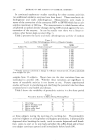
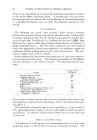
276 JOURNAL OF THE SOCIETY OF COSMETIC CHEMISTS chestnut" that has complicated the life of the cosmetic scientist for many years. I refer to the notion that cosmetics are unnecessary and unimpor- tant. If this be true, it is argued, then any medical problems arising from their use are inexcusable. In my view, cosmetics are both necessary and important and the figures below will give you some indication as to how necessary they really are: Hux4A• ExPosuP, E TO COSM• TICS (Esz.) Average Number of Frequency Daily Product Users of Use Exposures Lipstick 55,000,000 1.7/day 93,000,000 Dentifrices 148,000,000 1.4/day 207,000,000 Cleansing creams 36,000,000 1.1/day 40,000,000 Deodorants 78,000,000 0.9/day 70,000,000 Shampoos 105,000,000 0.2/day 21,000,000 Hair sprays 20,000,000 0.3/day 6,000,000 Here are a few cosmetic items with an estimate by our Market Research Department of the number of daily exposures of human beings to these products. The figures shown apply to the United States alone. To how many drugs and to how many foods do we have such exposure? As I look at these figures, and weigh the medical history of modern cosmetics, I can only be impressed with the safety record of these products. In this large segment of our population that uses cosmetics daily, obviously, every dis- ease known to medical science will be experienced. This is the basis for what I call the "coincidence factor." By "coincidence factor," I mean the chance appearance of a medical affliction of any kind following the exposure of an individual to a product. The cause and effect relationship that says: I washed my hair with soap I developed alopecia areata. So, ipsofacto, the soap is to blame. Alopecia areata is, of course, a disease with no known cause and no known cure. The soap producer is in the unfortunate position, therefore, of not being able to prove his product did not cause the disease and, more unfortunate, he is unable to suggest what did. In spite of this confusing "coincidence factor," I can assure you that the cosmetic scientist is keenly aware of his responsibility to society in the protection of public health. He accepts this responsibility in the same spirit as do his counterparts in the fields of foods and drugs. As a matter of fact, many people do not realize that the same scientific talents that have supported product developments in foods and drugs have been carry- ing out the same assignment in the cosmetic industry for many years. Very similar animal and human medical screening procedures are proving helpful in all three industries in eliminating medically suspect products during the development stage.
Purchased for the exclusive use of nofirst nolast (unknown)
From: SCC Media Library & Resource Center (library.scconline.org)