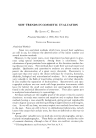
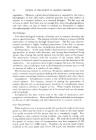
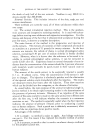
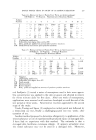
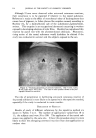
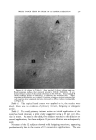
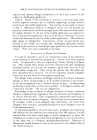
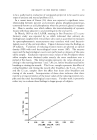
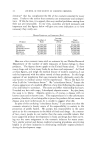
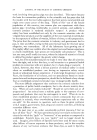
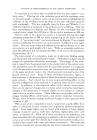
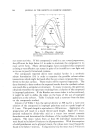
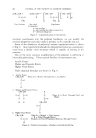
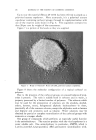
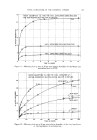
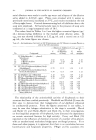
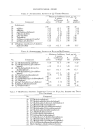
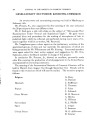
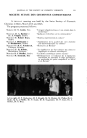
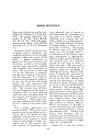
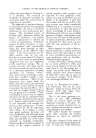
VINYL COPOLYMER IN THE COSMETIC COSMOS 293 which are reacted in an electric furnace to yield calcium carbide. As shown in Fig. 1, when this material is mixed with water, acetylene is removed as a gas. Its reaction with acetic acid produces vinyl acetate monomer. You will note in Fig. 2 that the monomer units are joined when they are excited by an activator such as benzoyl peroxide. Under heat the peroxide splits into two benzoyl free radicals which are in a highly active state due to the presence of a free electron. The double bond of the vinyl group opens and forms a covalent bond with the benzoyl radical. At the same time the energy is transferred to the free end of the monomer which in turn reacts with a second monomer unit. This step repeats itself many times until the toohomer is used up and the active ends of the chains join with each other. I Benzoyl Peroxide .... | o_=o [ Heat CH• L CH• n Vinyl acetate Polyvinyl Monomer Acetate O O O Benzoyl Peroxide Active Benzoyl Radical o o OCOCHa '•/ OCOCHa Figure 2.--Polymerization of polyvinyl acetate. Polymerization reactions are usually carried out in solution, emulsion or suspension form to insure a low viscosity for uniform agitation and removal of the heat of polymerization. When emulsion or suspension polymeriza- tion is used, suitable emulsifiers and/or suspending agents must be used. The solvent used for solution polymerization must be chosen carefully, since it plays an important role in reaching the desired molecular weight level. The polyvinyl acetate copolymer being highlighted is prepared by such polymerization methods and dried to yield a translucent bead. Although we are all familiar with the terms polymer and copolymer, it is important to call attention here to some of the differences between them. A conventional polymer, or homopolymer as it is sometimes called, can only be varied to a certain extent, for example its moleuclar weight and degree of chain branching. Its film properties will have essentially the same physical and chemical characteristics. Thus, by introducing special

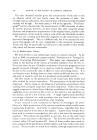
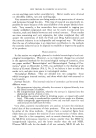
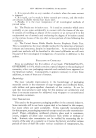
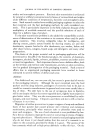
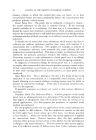
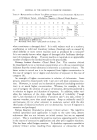
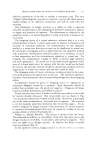
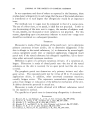
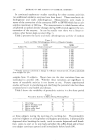
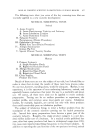
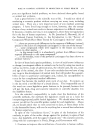
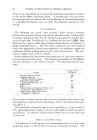
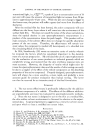
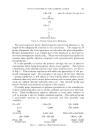
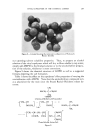
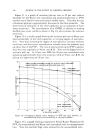
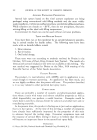
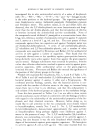
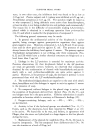
294 JOURNAL OF THE SOCIETY OF COSMETIC CHEMISTS nCH,,=CH + o--c:o I CH• Vinyl Acetate mCHz:CH --• -- X Any vinyl Comonomer CHa Copolymer n--any number m--any number less than or equal to n X--chemical side-group Figure 3.--Copolymerization of vinyl acetate. chemical consitutents into the polymer backbone, we can modify the intrinsic properties and tailoF make a product to fit a specific end use. Some of the chemistry of polyvinyl acetate copolymerization is shown in Fig. 3. Any material introduced into the polymerization as a comonomcr must have a similar vinyl structure which is capable of joining in the reaction. One of the more common modifications of the polymer is softening or internally plasticizing. Three typical families of comonomers are: Acrylic Esters Maleic and Fumaric Esters Higher Vinyl Esters Their chemical formulae are shown in Fig. 4. 1. Acrylic Esters CH_o=CH C=O I () I R Where R is Methyl Through Octyl and Higher 2. Maleic and Fumaric Esters CH--CH R I I •C C=O O Where R is Butyl Through OctyI and I I I Higher O O C=O I R R CH=CH I O=C I o 3. Higher Vinyl Esters R CH=:CH When R = Methyl -• Vinyl Acetate I .'. R = Ethyl Through Heptyl O--C•------O Products are Vinyl Propionate, Butyrate, Through Octoate I R Figure 4.--Typical comonomers softening or internal plasticizing.
Purchased for the exclusive use of nofirst nolast (unknown)
From: SCC Media Library & Resource Center (library.scconline.org)