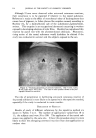
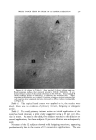
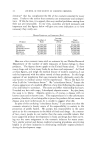
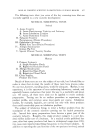
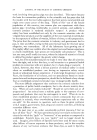
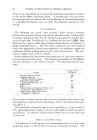
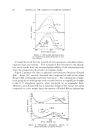
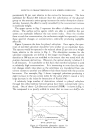
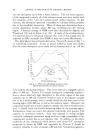
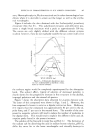
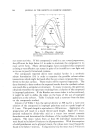
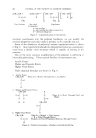
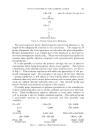
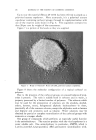
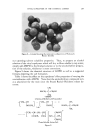
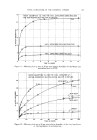
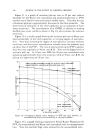
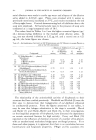
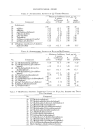
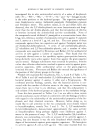
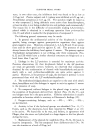
VINYL COPOLYMER IN THE COSMETIC COSMOS 301 PROPERTIES OF PVAc The previous discussion on the chemistry of PVAc polymers and the photos and graphs have touched on some of its properties. It will be useful at this point to summarize the properties of polyvinyl acetate in general and the carboxyl containing copolymer in particular. Prbperties of Polyvinyl /lcetate Resin 1. Thermoplastic. 2. Good adhesion to many surfaces. 3. Water resistant. 4. High moisture vapor permeability. 5. Colorless. 6. Odorless. 7. Grease resistant. 8. Light and heat stable. 9. Good long term aging in liquid and dry states. 10. Resists bacteriological decomposition. 11. Soluble in all common solvents except aliphatic hydrocarbons. 12. Compatibility with a wide range of modifying ingredients. 13. Good pigment binder. /ldditional Properties of the Carboxyl Copolymer 1. When unmodified soluble in alkaline media. 2. When neutralized, soluble in tap water. 3. Improved adhesion to polar surfaces. 4. Capable of further reaction at the carboxyl group (neutralization is one type of reaction). This chart shows all the properties common to the acetate homopoly- 1nets. In the lower section are those properties possessed by carboxyl con- taining copolymers--in addition to those above. HAIR SPRAY PROPERTIES The properties just described help to determine the potential usefulness of the vinyl acetate copolymer for specific cosmetic uses. For hair spray in particular, commercially prepared aerosols have shown: Good afiSnity for hair Good luster Good curl control Controlled water sensitivity A. Nonhygroscopic B. Nontacky Alkali dispersibility

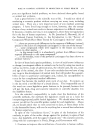
30:2 JOURNAL OF THE SOCIETY OF COSMETIC CHEMISTS AEROSOL PACKAGING PROPERTIES Aerosol hair sprays based on the vinyl acetate copolymer are being packaged using conventional cold filling methods and the most widely used propellants, trichloromonofiuoromethane and dichlorodifiuoromethane. While solutions are cloudy at -20øF., they do not precipitate, thus per- mitting filling at this ideal cold filling temperature. Conventional tin lined cans can be used without •orrosion problems. TESTS FOR HEALTH SAFETY Tests have been run on the copolymer by an outside laboratory specializ- ing in animal studies for health safety. The following tests have been made with no harmful effects noted: 1. Skin irritation. 2. Eye irritation. 3. Oral lethal dosage. These tests were run according to methods outlined by Draize in the October, 1955 issue of Food, Drug, Cosmetic Law •ournal. The results of a three-month aerosol inhalation test were not available at this writing. The test method was suggested by Draize at the May, 1958 meeting of the Scientific Section of the Toilet Goods Association. PATENT PICTURE The product, its neutralization with AMPD, and its application is un- usual enough to warrant parenting. An application has been made, and we are highly confident that the patent will issue. The product described is in no way related to other patented hair spray resins. CONCLUSIONS There are probably a number of cosmetic and pharmaceutical applica- tions where a resin with water and solvent solubility properties as well as alkali dispersibility can perform a useful function. Examples would be where there is need for a resinous binder for colorants and other inert and/or nonadhering materials. At the present time, this product is finding use in just such an application that is in hair sprays. At the time of this writing, a number of companies have already been sufficiently impressed by the properties of this resin to advance beyond the testing stage. Consumer acceptance tests and the response of aerosol fillers testing it lead us to believe that this resin will become an important factor in the aerosol hair spray field. REFERENCES (1) Resyn 28-1310, National Starch and Chemical Corp, Plainfield, N.J.
Purchased for the exclusive use of nofirst nolast (unknown)
From: SCC Media Library & Resource Center (library.scconline.org)