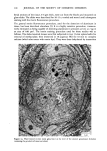
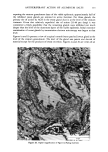
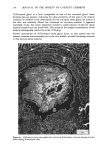
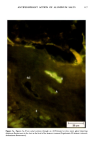
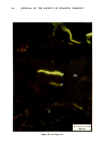
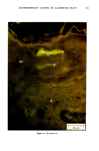
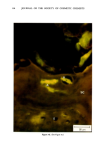
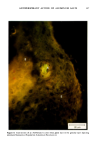
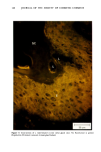
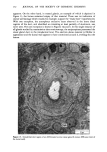
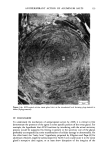
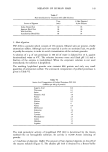
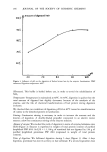
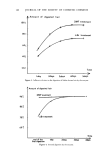
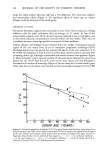
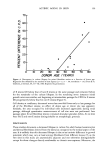
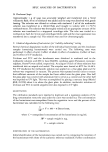
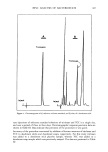
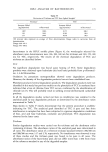
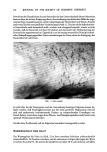
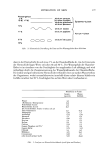
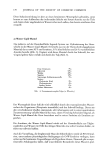
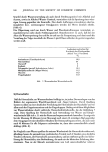
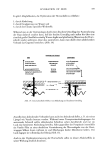
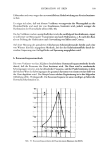
ANTIPERSPIRANT ACTION OF ALUMINUM SALTS 113 exposing the stratum granulosum layer of the viable epidermis, approximately half of the inhibited sweat glands are restored to active function. For those glands, the primary site of action by ACH in the sweat gland duct is at the level of the stratum corneum. Given that relatively superficial site of action (35-40 /am deep) it was considered a likely possibility that the remaining glands were inhibited not much deeper than the level of the outermost layers of the viable epidermis. Initial extensive examination of sweat glands by transmission electron microscopy was begun at that level. Figures la and lb present a view of a typical control (water patched) sweat gland at the level of the stratum granulosum. The duct of the gland was patent and devoid of material except for the products of sweat secretion. Figures 2a and 2b are views of an Figure 2b. Higher magnification of Figure 2a (P:plug material).

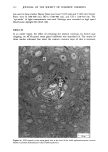
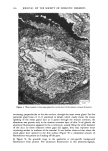
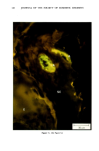
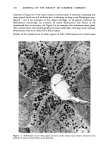
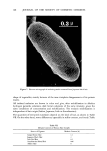
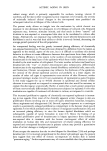
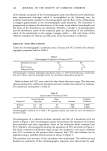
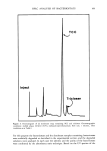
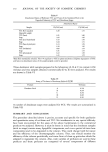
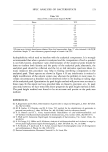
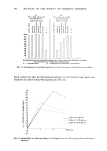
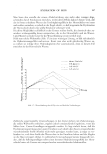
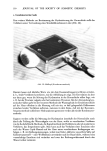
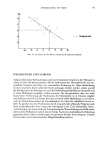
114 .JOURNAL OF THE SocIETY OF COSMETIC CHEMISTS ACH-treated gland at a level comparable to that of the untreated gland. Some keratinocytes are present, indicating the close proximity of this area to the stratum corneum. In contrast to the observations for the untreated sweat gland, the lumen of the duct was relatively dilated but contained no secretory material. It appeared essentially empty, but closer inspection revealed a small amount of electron dense material situated near the ductal wall. This indicated the deepest manifestation of the material subsequently referred to as the ACH plug. Further examination of ACH-treated sweat gland ducts, as they passed into the stratum corneum and eventually out to the skin surface, revealed increasing amounts of this electron dense material. ,.?: ½, • 5urn q Figure 5a. ACH-treated eccrine sweat gland duct at the level of the stratum comeurn showing occluded lumen (P:plug K:keratinized cells).
Purchased for the exclusive use of nofirst nolast (unknown)
From: SCC Media Library & Resource Center (library.scconline.org)