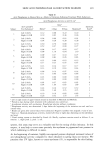
j. Soc. Cosmet. Chem., 37, 309-327 (September/October 1986) Comparative study of skin care efficacy and in-use properties of soap and surfactant bars G. SAUERMANN, A. DOERSCHNER, U. HOPPE, and P. WITTERN, Beiersdorf AG, R and D Cosmed, Unnastr. 48, D-2000 Hamburg, West Germany. Received January 23, 1986. Synopsis The object of the investigation was to compare the irritancy and skin care efficacy of surfactant bars and soaps by classical provocative methods, viz., Finn chamber tests and by repeated regular use, to find reasons explaining the discrepancies between the corresponding test results and to present innovative methodolo- gies to study the efficacy of cosmetics. Three classical soaps and one surfactant bar were compared by Finn chamber test, measurement of pH values at the skin surface before and after removal of tape strips, measurement of cationic fluorescent dye sorption at the skin surface to evaluate quantitatively the amount ofanionic surfactants adsorbed at the skin surface and their penetration into deeper skin layers, measurement of skin surface roughness and transepi- dermal water loss, and determination of the potential to extract concerning ninhydrin-positive material from the horny layer. Considering the Finn chamber test, the irritancy of the classical soaps was higher than that of the surfactant bar. The pH value of the skin surface 24 hours after application of the soap solutions was --8. The pH value was detectable through the whole horny layer. The irritancy potential of the mixtures of free fatty acids precipitated by acidification of the conventional soaps was zero. The pH value within the horny layer after single use of conventional soap was shifted to significantly higher values within the upper cell layers removed by three tape strips. The density of anionic skin surface charge measured by adsorption of cationic dye was elevated after appli- cation of soaps or surfactant bars. It decreased rapidly after use of the conventional soaps and slowly after use of the surfactant bars. The differences caused by surfactant bar and conventional soap were seen to be significant after removal of skin by six tape strips. The surface roughness of skin, regularly treated with surfactant bar or one of the soaps, was not increased during the test period. The transepidermal water loss was increased significantly after treatment with the surfactant bar. The skin surface was depleted of pH-stabilizing substances by the conventional soap significantly less than by the surfactant bar. The main reason for the stronger irritation rate of classical soaps compared with surfactant bars using the Finn chamber technique seems to be the exhaustion of pH-buffering materials of the skin by the applied excess of soaps. Regular use did not confirm the above ranking. INTRODUCTION Patch tests are normally performed to evaluate the irritancy potential of externally ap- plied products. They use rather high concentrations of soap solutions (ca. 8%) and large 309

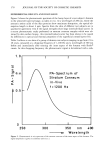
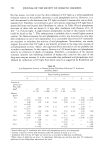
310 JOURNAL OF THE SOCIETY OF COSMETIC CHEMISTS volumes per test site (50-100 I,tl/cm 2) (1). Application of soap solutions of such a high concentration and large volume per skin area over extended periods of time and under aggravating occlusive conditions causes inflammation which is not relevant to condi- tions of normal regular use (2). Procedures of the kind described (1) provoke adverse reactions and thus enable differen- tiation of products according to their irritancy. These findings are, strictly speaking, a result of the experimental conditions used. This aspect, viz., the influence of test con- ditions on test results, is especially important when classical or sodium-sterate/palmi- tate soaps are to be compared with surfactant-type cleansing bars. The potential of classical soaps to act as surfactants is limited to alkaline pH values within the sur- rounding medium. The surface activity of normal surfactants is, however, pH-indepen- dent over a wide range of pH values. Washing the skin with soap causes a temporary shift of the pH value to higher levels (3). This shift is reversed within two hours after washing by ingredients of the buffering system of the skin (4). In this weakly acidic pH range, the soap anions are transformed to uncharged fatty acids which are natural ingre- dients in skin lipids. In the case of surfactants, the skin-invading molecular species will not change their chemical configuration whether they are applied under a Finn chamber of under normal use conditions. In contrast, soaps will form two distinct kinds of molecules which act in a completely different way, as described above (5). In other words, in the case of surfactants the mode of application (Finn chamber test or regular use) will primarily cause only quantitative differences. In the case of soaps, however, there will be qualitative as well as quantitative differences. Surfactants and soaps usually increase the permeability of skin (6) as does the mainte- nance of both alkaline and strongly acid pH values at the skin surface (7). Tl•erefore the assumption seems quite logical that the irritation potential of soap solutions, applied in excess to the skin surface, is mainly caused by their alkaline pH value and the ability of soaps to act as surfactants at these alkaline pH values. The conclusion is that only the enormous excess of sodium palmitate/stearate solution, which temporarily exhausts the buffer capacity of skin, causes the more serious damage reported earlier, i.e., in Finn chamber tests, in comparison to the surfactant-type soaps. This could be verified by evaluating the irritation potential of the free fatty acids which form the soap. In order to investigate the differences between surfactants and soaps described above, we chose the following test procedures. Adsorption of cationic, fluorescent dyes can be used to measure the density of negatively charged groups at the skin surface, which may be due to two main groups of materials: a) Proteins and carbohydrates. b) Adsorbed surfactants which carry either a permanent (within the skin surface pH range which is of practical interest) or pH-dependant charge (8). Naturally skin contains many intrinsic fluorophors whose optical behavior depends on their molecular environment such as its polarity and concentration of quenchers (9). With excitation under constant conditions, the intensity and wavelength of skin's emission changes in relation to the degree of inflammation. Two ranges of fluorescence were selected: a) The range of fluorescence of tryptophan and possibly other related molecules at least protein-bound tryptophan is very sensitive to fluorescence quenching by oxygen
Purchased for the exclusive use of nofirst nolast (unknown)
From: SCC Media Library & Resource Center (library.scconline.org)