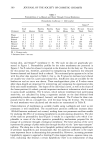
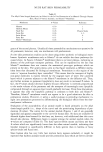
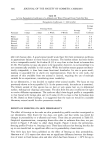
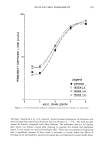
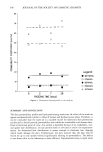
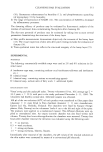
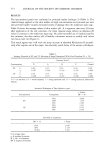
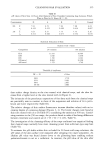
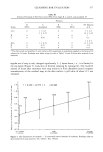
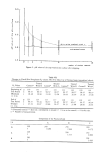
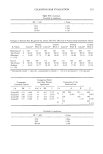
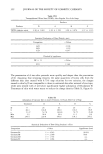
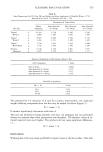
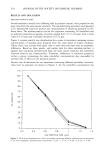
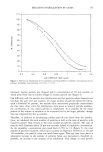
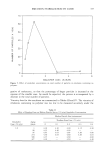
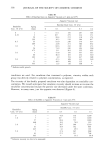
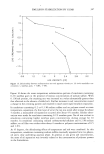
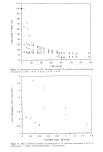
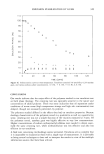
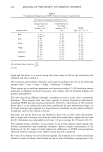
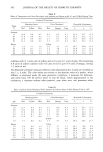
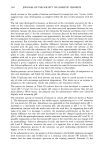
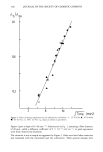
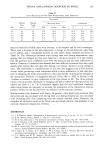
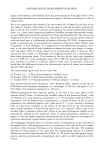
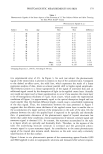
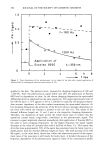
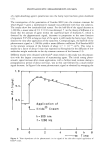
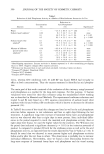
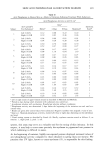
CLEANSING BAR EVALUATION 323 Table X Skin Fluorescence (Ex 552 Em 590 nm) Before and After Application of Distilled Water, 0.75% Solution of D, and 0.75% Solution of A (N = 20) Rhodamine-B Treated Sites Before After Removal After Removal After Removal Skin Site Stripping of 2 Strips of 6 Strips of 11 Strips Treated • 10. 264 6.748 4. 360 2.930 With A sx 2.868 3. 006 2.069 1.496 Treated • 9.855 6.069 3.509 2.210 With D sx 3. 266 2. 673 1.499 1.045 Treated • 5.706 3. 693 2.444 1.688 With Water sx 1.792 1.659 1.390 1. 180 Without • 6.748 4.278 2. 887 1.955 Treatment s• 2.425 2.279 1.681 1. 172 Statistical Evaluation of Data Using a Paired t-Test A/D Comparison t Value After 0 Strips 0.9642 After Removal of 2 Strips 1.279 After Removal of 6 Strips 2.513 After Removal of 11 Strips 3.426 Thresholds of signijS'cance.' DF = 18 t Value 95% 2.101 99% 2.878 99.9% 3.922 The potential for 1% solutions of A and D to extract water-soluble, low molecular weight buffering compounds from the skin may be ranked as follows (Figure 7): D water A D extracts significantly less amino acids than A. This test was performed during relatively cool days. An analogous test was performed during hot summer days when perspiration was abundant. The absolute values of ex- tracted material were much higher. The products did not cause significant differences, i.e., D = water • A. DISCUSSION Washing skin with soap causes a pH shift to higher values at the skin surface. This shift

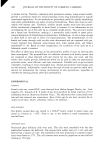
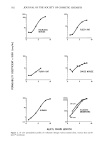
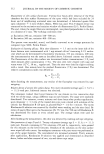
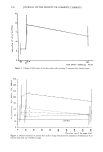
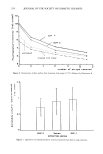
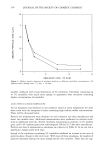
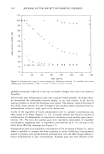
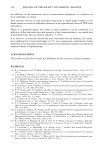
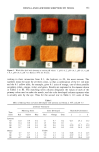
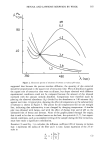
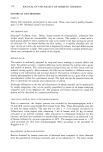
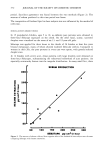
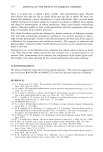
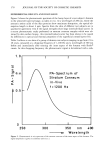
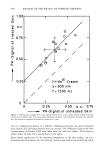
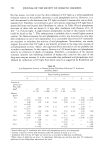
324 JOURNAL OF THE SOCIETY OF COSMETIC CHEMISTS I o o o 12 8 soAP A k• •'... "-..... . .•- SOAP D 4 u.•roo•oa x • " ' ............ 27777 2 x ....... ! ! ! ! i ! ! ! Figure 6. Fluorescence of skin surface after treatment with soaps (0.75%) followed by Rhodamine B. c 1.5 SOAP D Woto• SOAP A EXTRACTING MEDIUM Figure 7. Quantities of ninhydrin-positive material extracted from skin by soap solutions.
Purchased for the exclusive use of nofirst nolast (unknown)
From: SCC Media Library & Resource Center (library.scconline.org)