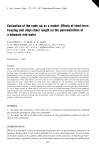
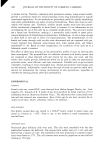
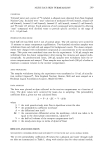
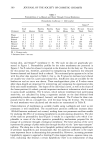
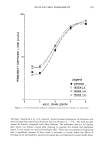
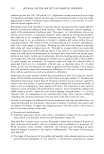
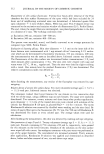
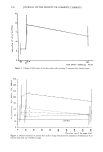
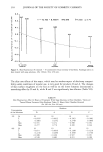
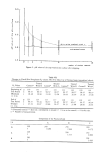
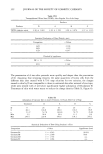
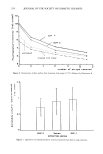
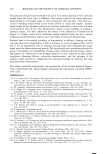
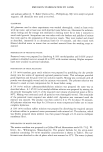
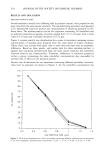
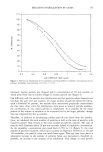
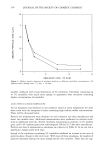
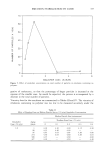
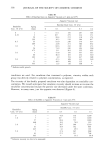
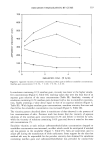
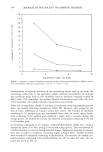
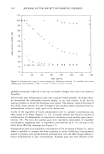
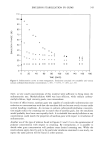
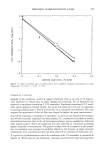
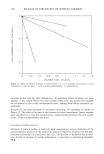
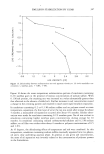
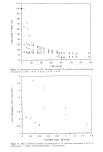
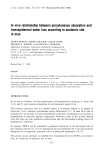
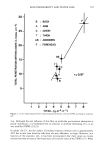
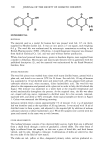
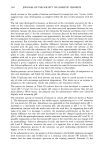
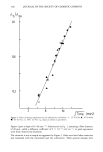
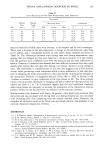
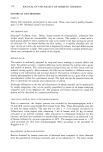
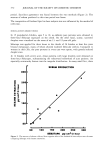
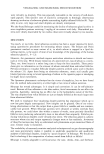
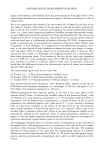
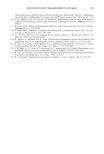
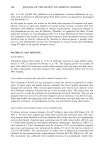
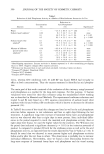
342 JOURNAL OF THE SOCIETY OF COSMETIC CHEMISTS 11o T Q_ Z o -- 100 -f 90- 80- 70- 60- 50- 4-0- 30- 20- 10- • X X A X O A ,", A o ,o o o o o o o + ++ [] ODD DO 0 o o o o o o ++ + + + ooo [] [] a a a a •l •l •l a 0 20 40 60 80 100 120 140 TIME (DAYS) Figure 8. Sedimentation curves at room temperature. Emulsions contained 1% emulsifier and various xanthan gum concentrations. [] 0%, + 0.1%, • 0.2%, /• 0.3%, X 0.4%. globules) eventually collected at the top no further changes with time were observed thereafter. Initial steady state sedimentation rates were computed where possible. To obtain these, we determined the relationship between height, in cm, and volume, in ml, for the mixing cylinders in which the emulsions were stored. The absolute value of the slope of the initial, linear portion of a plot of height of the emulsion phase (calculated from the sedimentation curves) rs. time, gave us the desired rate. A plot of the logarithm of initial sedimentation rate rs. polymer concentration was often found to be linear (Figures 11, 12). A similar relation was found in studies of sedimentation of sulfamerazine in suspensions containing several xanthan gum concen- trations (19). The rates for xanthan gum were essentially independent of emulsifier concentration, suggesting that, at emulsifier concentrations up to 1%, the gum is the major factor affecting creaming rate (Figure 11). Sedimentation rates at an emulsifier concentration of 1% are shown in Figure 12, which makes it possible to compare the three polymers in terms of efficiency (concentration needed to produce some predetermined sedimentation rate) and effectiveness (ability to reduce sedimentation at any concentration). Xanthan gum was most efficient of the

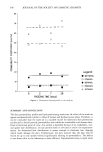
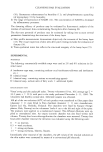
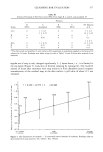
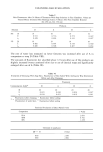
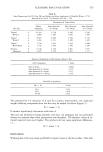
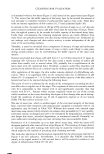
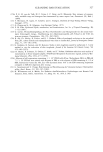
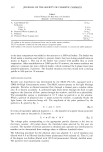
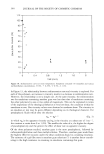
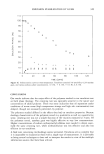
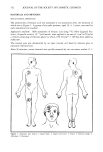
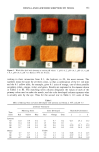
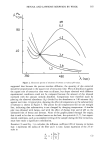
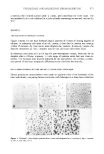
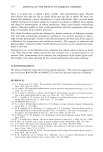
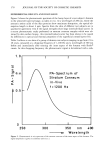
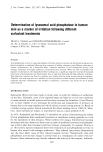
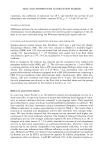
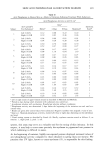
EMULSION STABILIZATION BY GUMS 343 11o '-l- z o -- Ld lOO .• 90- 80- 70- 60- 50- 40- 30- 20- 10- 0 0 ,5 0 + + + o o o + + [] [] [] [] [] [] ,5 O0 o o o ++ + + + DD D D D D D O [] [] I I I I I I I I I I I I I I I I I 20 40 60 80 1 O0 1 20 1 40 1 60 180 TIME (DAYS) Figure 9. Sedimentation curves at room temperature. Emulsions contained 1% emulsifier and various sodium carboxymethylcellulose concentrations. [] 0%, + 0.5%, O 1.0%, A 1.5%. three, as very small concentrations of this material were sufficient to bring down the sedimentation rate. Methylcellulose 4000 was least efficient, while sodium carboxy- methylcellulose, high viscosity grade, was intermediate. In terms of effectiveness, xanthan gum was capable of considerable sedimentation rate reduction at concentrations such that the emulsion did not become overly viscous under normal handling conditions. An increase in sodium carboxymethylcellulose concentra- tion might reduce the creaming rate to match that of xanthan gum, but the emulsions would probably have been unacceptably thick. It is doubtful that methylcellulose at any concentration could match the properties of xanthan gum with respect to retardation of sedimentation. Another use of the type of relation found in Figures 11 and 12 is in the optimization of polymer concentration with respect to creaming. By interpolation, it is possible to decide what gum concentration will produce some desired creaming rate. While the results shown apply directly only to the particular emulsions examined in our study, we expect the same pattern will be found in other systems.
Purchased for the exclusive use of nofirst nolast (unknown)
From: SCC Media Library & Resource Center (library.scconline.org)